


Al-Qaeda’s Active Enterprise in Brazil: A Stark Tale of Corruption and Impunity
By Hotspotnews
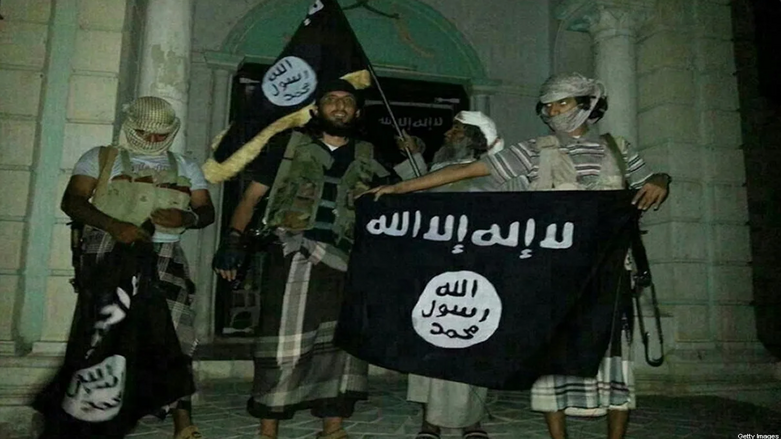
As the sun rises over Guarulhos, São Paulo, on this crisp October morning, a disturbing revelation casts a shadow over Brazil’s national security landscape. A furniture retailer, operating under the innocuous name “Enterprise Comércio de Móveis e Intermediação de Negócios LTDA,” stands exposed as more than just a business peddling tables and chairs. This company, registered with the CNPJ 35.116.112/0001-97, is not only active but also sanctioned by the United States Office of Foreign Assets Control (OFAC) since 2021 for its ties to Al-Qaeda, the notorious terrorist network. The question looms large: why does this enterprise continue to thrive unchecked in Brazilian soil, and who is shielding it from justice?
The facts are as alarming as they are clear. This company, linked to the Al-Qaeda operative Ahmad Al-Khatib, has been designated as part of a broader network facilitating the terrorist group’s financial operations. Yet, despite the international red flags raised by the U.S. Treasury, Brazilian authorities have failed to act. The enterprise remains operational, its accounts apparently untouched, and its owners unprosecuted. This is not a mere oversight—it is a glaring symptom of a deeper malaise: systemic corruption that allows dangerous actors to operate with impunity.
At the heart of this scandal is the Brazilian government’s apparent unwillingness or inability to enforce sanctions that align with global efforts to combat terrorism. The OFAC’s actions are designed to choke off financial lifelines to groups like Al-Qaeda, yet in Brazil, the response has been a deafening silence. No raids, no asset freezes, no arrests—only a business-as-usual attitude that suggests complicity or, at best, gross negligence. How can a nation claim to uphold law and order when it turns a blind eye to a terrorist-linked entity thriving in its midst?
The corruption runs deeper when one considers the political and bureaucratic layers that might be protecting this operation. Are local officials in Guarulhos receiving kickbacks to look the other way? Are higher echelons in Brasília deliberately stalling action to avoid international embarrassment or to preserve clandestine alliances? The lack of transparency fuels speculation, but the pattern is unmistakable: those with power are shielding the culpable. This is not a new story in Brazil, where corruption scandals have long eroded public trust. From the sprawling networks of organized crime to the infiltration of political elites, the country has seen its fair share of impunity. Now, it seems, that impunity extends to international terrorism.
Journalists like Allan Dos Santos, who brought this issue to light, deserve credit for their courage in exposing such threats. Yet, their efforts are met with resistance, not just from the shadows of corruption but from a system that seems designed to protect the powerful. The irony is stark when one considers that local figures and groups have faced OFAC sanctions for less egregious offenses, while a terrorist-linked enterprise escapes scrutiny. This selective enforcement reeks of a double standard, where the rule of law bends to the whims of those who can afford to buy silence.
The implications are dire. An active Al-Qaeda front in Brazil is not just a local concern—it is a global security threat. The failure to act emboldens terrorists and undermines the international coalition against extremism. For the Brazilian people, it is a betrayal of their safety and sovereignty, orchestrated by a corrupt elite that prioritizes self-interest over national integrity. Until those responsible—whether bureaucrats, politicians, or law enforcement officials—are held accountable, this impunity will persist, allowing the shadows of terrorism to grow longer.
The Brazilian government must launch an immediate investigation, seize the company’s assets, and prosecute those complicit in this scandal. Anything less is a tacit endorsement of corruption and a green light for further infiltration by hostile forces. The world is watching, and the stakes could not be higher. Will Brazil rise to the challenge, or will it continue to let impunity reign? The answer will define its future—and its honor.