



Alexandre de Moraes’ Appointment as Rapporteur: A Blatant Conflict of Interest in Brazil’s Judiciary
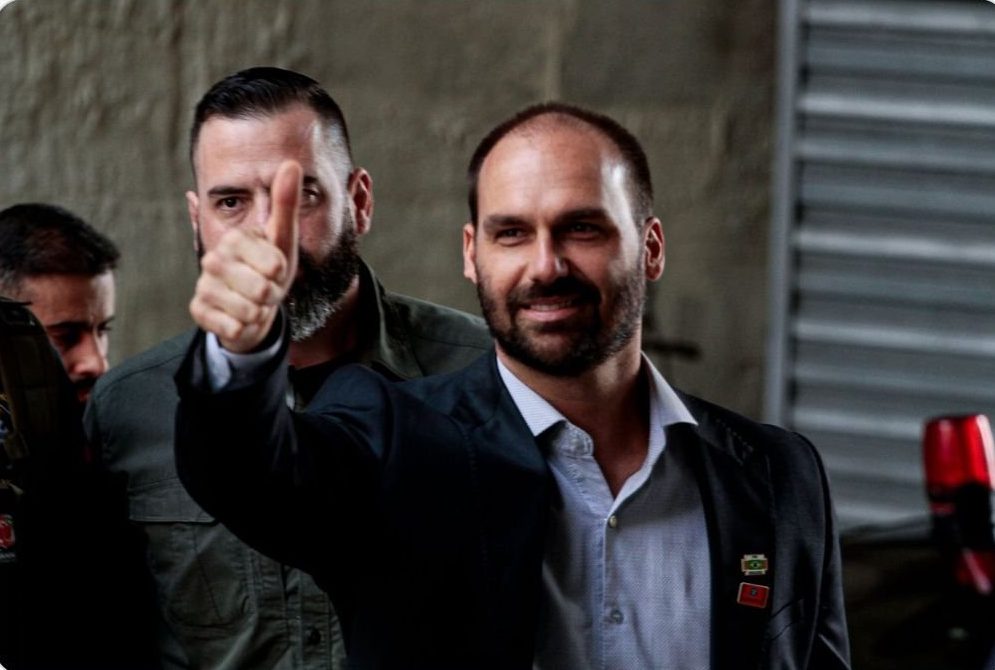
In a move that reeks of judicial overreach and undermines the very principles of impartiality, Brazilian Supreme Court Justice Alexandre de Moraes has been appointed rapporteur of an investigation targeting Congressman Eduardo Bolsonaro, son of former President Jair Bolsonaro. The probe, initiated on May 26, 2025, by the Prosecutor General’s Office (PGR) and assigned by STF President Luís Roberto Barroso, investigates Eduardo for allegedly seeking U.S. sanctions against Moraes himself. This unprecedented arrangement—Moraes overseeing a case in which he is the supposed victim—raises serious questions about Brazil’s democratic integrity and the rule of law.
The accusations against Eduardo Bolsonaro stem from his activities in the United States, where he has met with conservative figures like Steve Bannon and Republican lawmakers to highlight what many see as Moraes’ authoritarian actions. Eduardo has openly criticized Moraes for censoring free speech, suspending social media accounts, and leading investigations that many conservatives view as politically motivated witch hunts against Bolsonaro supporters. The PGR claims Eduardo’s efforts to lobby for sanctions, including under the Global Magnitsky Act, constitute coercion, obstruction of justice, and threats to Brazil’s democratic order. Yet, the real threat to democracy lies not in Eduardo’s advocacy but in Moraes’ unchecked power to act as judge, jury, and victim in his own courtroom.
Moraes’ role as rapporteur in this case is a textbook conflict of interest. No impartial legal system would allow a judge to oversee an investigation targeting actions directed at himself. This arrangement violates the fundamental principle that justice must be blind, not personal. Moraes has a well-documented history of targeting Bolsonaro allies, from ordering the deplatforming of conservative voices on X to freezing assets and issuing arrest warrants in the so-called “digital militias” and January 8 coup inquiries. His appointment here is not just questionable—it’s an affront to fairness, confirming suspicions that Brazil’s judiciary is being weaponized to silence dissent.
Eduardo’s actions in the U.S. reflect a desperate attempt to draw international attention to Moraes’ overreach. Since the 2022 election, Moraes has led a crusade against conservatives, often under the guise of protecting democracy. His orders to censor content on platforms like X and Rumble have drawn condemnation from free speech advocates worldwide, including U.S. conservatives who see parallels to their own battles against Big Tech censorship. Eduardo’s meetings with Trump allies and his push for sanctions are not crimes but legitimate political advocacy against a judiciary that increasingly resembles a one-man dictatorship. The U.S. government’s clarification that no sanctions are imminent only underscores that Eduardo’s efforts are symbolic, aimed at exposing Moraes’ actions to a global audience.
The hypocrisy is glaring. Moraes claims to defend democracy while orchestrating investigations that stifle free expression and target political opponents. His dual role in this case mirrors his broader approach: consolidating power by controlling narratives and punishing critics. The secrecy surrounding the investigation, coupled with Moraes’ refusal to recuse himself, fuels perceptions of a “democradura”—a democracy in name only, where judicial elites operate above accountability. Even Jair Bolsonaro, summoned to testify as a supposed beneficiary of Eduardo’s actions, faces Moraes’ wrath in a process that feels more like retribution than justice.
Conservatives in Brazil and beyond should be alarmed. This is not just about Eduardo Bolsonaro; it’s about the erosion of democratic checks and balances. If a Supreme Court justice can investigate those who criticize him, what’s to stop the judiciary from becoming a tool of political persecution? The international community, particularly freedom-loving Americans who understand the value of the First Amendment, should take note. Brazil’s judiciary is treading a dangerous path, and Moraes’ actions risk tarnishing the nation’s reputation as a democratic beacon.
It’s time for Brazil’s leaders to demand accountability. Moraes must recuse himself from this case, and the STF should ensure investigations are handled by impartial justices. Conservatives must rally behind Eduardo Bolsonaro, not because he is above the law, but because the law should not be a weapon in the hands of a biased judge. The fight for free speech and judicial fairness is not just Brazil’s battle—it’s a global one. If Moraes’ power grab goes unchecked, it sets a chilling precedent for any nation that values liberty.


