




Another Blow to Brazil’s Judicial Overreach: Alexandre de Moraes Faces Mounting Defeats
By Hotspotnews
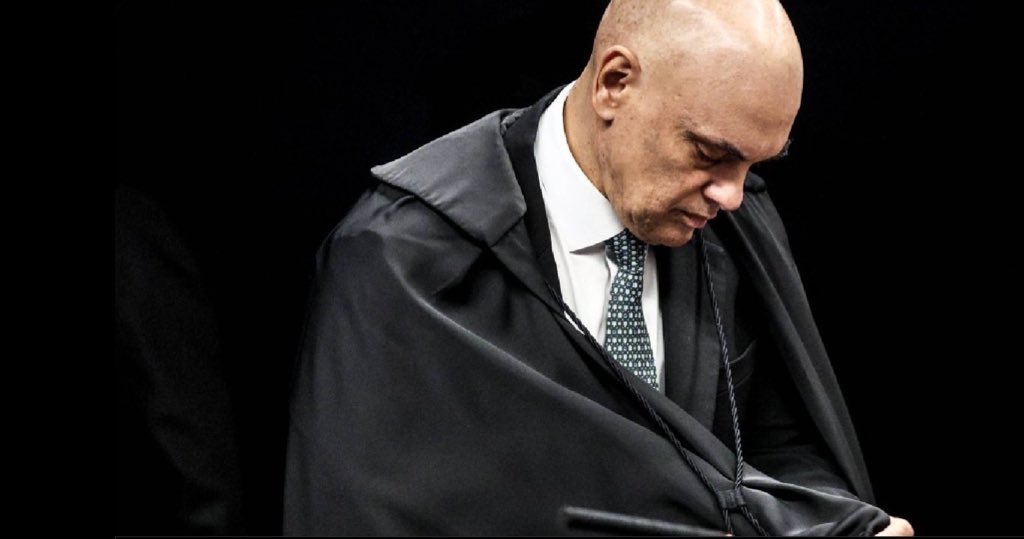
In the ongoing battle for free speech and democratic principles in Brazil, Supreme Court Justice Alexandre de Moraes has once again been handed a humiliating defeat. This latest setback, as highlighted by journalist Rafael Fontana, underscores a growing pattern of judicial reversals that expose Moraes as an overzealous enforcer of censorship rather than a guardian of justice. For conservatives who value individual liberties and limited government, this is a welcome sign that the tide may finally be turning against authoritarian tactics in the judiciary.
The story begins with Moraes’ aggressive pursuit of critics, often under the guise of combating “fake news” or threats to democracy. But time and again, his orders have crumbled under scrutiny. Take the case of Rodrigo Constantino, a vocal conservative commentator whose social media accounts were unjustly blocked by Moraes’ decree. In April 2025, those restrictions were lifted, restoring Constantino’s voice and dealing a direct blow to the justice’s censorship regime. Similarly, in October 2025, Italy rejected Moraes’ extradition request for Eduardo Tagliaferro, recognizing the politically motivated nature of the pursuit and refusing to play along with what many see as a witch hunt.
These aren’t isolated incidents. We can point to a roster of victories for those targeted by Moraes: Allan dos Santos, Paulo Figueiredo, Elisa Baker—a journalist silenced for her reporting—and even Eduardo Bolsonaro, son of former President Jair Bolsonaro. Each case reveals the same flaw: Moraes’ decisions, rooted in expansive investigations and blanket censorship orders, fail to hold up when challenged in courts that prioritize due process over ideological vendettas. The Vaza Toga leaks have only amplified this, revealing behind-the-scenes maneuvers that smack of irregular targeting of political opponents.
From a conservative standpoint, Moraes embodies the dangers of an unchecked judiciary. Appointed to Brazil’s highest court, he has wielded his power like a blunt instrument, suspending accounts, ordering arrests, and stifling dissent in ways that echo the worst excesses of leftist authoritarianism. His actions have not only alienated conservatives but have drawn international condemnation, positioning Brazil as a cautionary tale for nations grappling with the balance between security and freedom. Fontana aptly describes him as an “unprepared international dictator,” a figure whose “vertiginous fall” is accelerating as more of his edicts are overturned.
This pattern of defeats should embolden conservatives everywhere. It reaffirms that true justice prevails when grounded in constitutional principles rather than partisan agendas. As Brazil navigates its political turbulence, the erosion of Moraes’ influence could pave the way for reforms that protect free expression and curb judicial activism. For those who cherish liberty, this isn’t just a series of legal wins—it’s a vindication of the conservative fight against overreach. The message is clear: No one, not even a supreme court justice, is above the law.


