





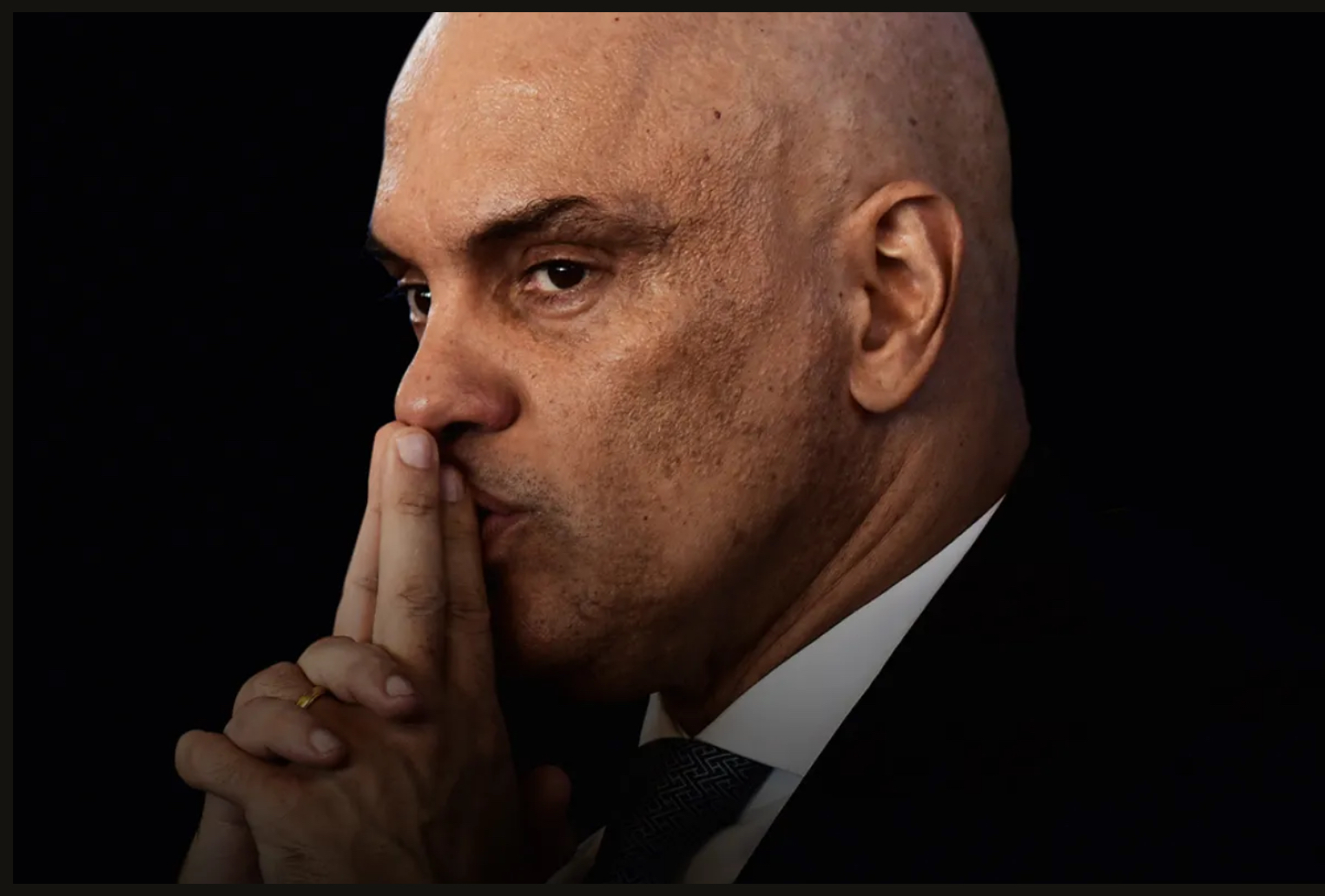
Alexandre de Moraes’ Grave Error in Ignoring Eduardo Bolsonaro’s Parliamentary Immunity
By Hotspotnews
In yet another chapter of the escalating judicial activism that has marked Brazil’s Supreme Federal Court (STF), Justice Alexandre de Moraes committed a glaring mistake by leading the unanimous decision of the First Panel to indict federal deputy Eduardo Bolsonaro as a defendant for alleged coercion in the course of a legal process. The accusation, based on the deputy’s political efforts in the United States to defend his father, former President Jair Bolsonaro, deliberately ignores fundamental constitutional pillars such as parliamentary immunity and freedom of expression.
The core of Moraes’ error lies in the complete omission of any analysis regarding the material immunity provided by Article 53 of the Brazilian Constitution, which guarantees parliamentarians inviolability for their opinions, words, and votes—even when expressed outside Congress—as long as they relate to the exercise of their mandate. Eduardo Bolsonaro’s statements—public criticisms of the Judiciary and appeals for international sanctions against abuses of power—constitute legitimate political debate directly tied to overseeing the branches of government. Criminalizing them represents a dangerously broad interpretation of “coercion,” turning harsh criticism into an illicit threat.
Even worse: the Public Defender’s Office of the Union (DPU), forced to take on the defense after the deputy failed to respond to notification (in a process riddled with procedural irregularities), filed embargos de declaração in December 2025 explicitly pointing out this serious omission in the Panel’s ruling. The appeal requests that the STF correct the flaw and, with infringing effects, reject the indictment altogether. To date, Moraes, as the case’s rapporteur, has remained silent, prolonging an institutional embarrassment: a public body defending arguments that the justice himself seems reluctant to address.
The consequences of this mistake are profound and alarming for Brazilian democracy. By proceeding with criminal action against a parliamentarian for exercising his right to criticism—including on foreign soil—Moraes not only violates constitutional guarantees but sets a chilling precedent: deputies and senators will now fear judicial reprisals when holding the Judiciary accountable, weakening the balance of powers. This deepens the perception of political persecution against opponents of the current government, heightening polarization and eroding public trust in institutions.
In the broader context, this decision reinforces the narrative of excessive judicialization of politics, where one justice accumulates investigative, prosecutorial, and adjudicative powers, unilaterally deciding sensitive issues. If not corrected through the embargos or later stages, the Eduardo Bolsonaro case could cost the STF dearly: greater public discredit, international criticism, and a Congress even more cowed before a Judiciary that appears to act as the nation’s tutor.
Brazilian conservatives are right to be outraged. It is time to defend the Constitution against interpretations that erode it from within. Parliamentary immunity is not a privilege—it is a safeguard of popular representation. Ignoring it, as Moraes has done, is not justice; it is arbitrariness.


