

Another Suitcase of Cash Heading to Brasília: When Will the Pattern End?
By Hotspotnews
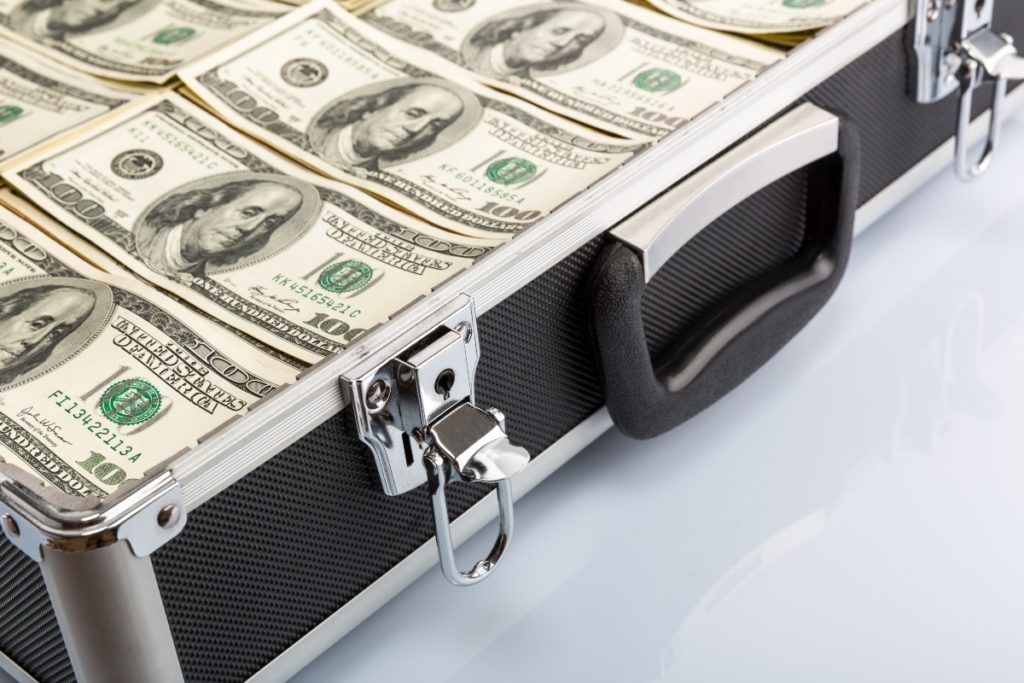
In a country where citizens struggle to pay bills and taxes keep rising, law enforcement agencies intercepted yet another suspicious haul of cash last week. On January 29, 2026, officers from Goiás’s Comando de Operações de Divisas pulled over a vehicle on the BR-050 near Cristalina. Inside a suitcase: approximately R$ 1.7 million in crisp R$100 notes, neatly stacked and bound for Brasília.
The two occupants could not produce any credible explanation for the money’s origin or legitimate purpose. Preliminary checks revealed their personal finances bore no resemblance to someone legitimately carrying nearly two million reais in physical currency. Authorities described them as probable “laranjas”—front men or straw operators—used to distance the real beneficiaries from the funds.
The Polícia Federal took over the case, citing suspicions of money laundering, illicit enrichment, and—most tellingly—the potential use of the cash for “vantagens indevidas” (undue advantages). In plain language: bribery.
This incident fits a depressingly familiar script in modern Brazil. Large sums of untraceable cash, almost always in high-denomination bills, traveling toward the federal capital. Routine traffic stops uncover what routine oversight in Brasília somehow misses. The money rarely belongs to small business owners or honest savers; it almost invariably points toward influence peddling, kickbacks, or the lubrication of decisions that never seem to favor ordinary taxpayers.
Conservatives have long warned that unchecked growth of the state apparatus creates fertile ground for corruption. When government controls ever-larger portions of the economy, when bureaucracies multiply and discretionary power concentrates in a few hands, the incentives for under-the-table payments skyrocket. The destination—Brasília—tells its own story. Power resides there. Favors are granted there. Contracts, appointments, regulatory relief, and judicial leniency are negotiated there.
Yet the same political class that lectures about “democracy” and “institutions” rarely demands full accountability when suitcases arrive (or fail to arrive) at their intended recipients. Investigations are opened with fanfare, then quietly shelved. Names of ultimate beneficiaries seldom surface in headlines. The cycle repeats.
The Goiás PM and Federal Police deserve credit for this seizure. Front-line officers doing their jobs exposed what higher levels too often ignore or protect. But one interception, while welcome, does not dismantle the networks that generate these fortunes in the first place.
True reform would start with shrinking the state’s overreach, slashing the number of appointees with unchecked discretion, enforcing strict transparency on public spending, and imposing real penalties—including prison—on those who treat public office as a profit center. Until then, every Brazilian should ask the obvious question the latest suitcase silently poses:
Who in Brasília was expecting R$ 1.7 million in cash—and what were they planning to sell in return?
The Brazilian people deserve answers, not more sealed inquiries and forgotten files.