




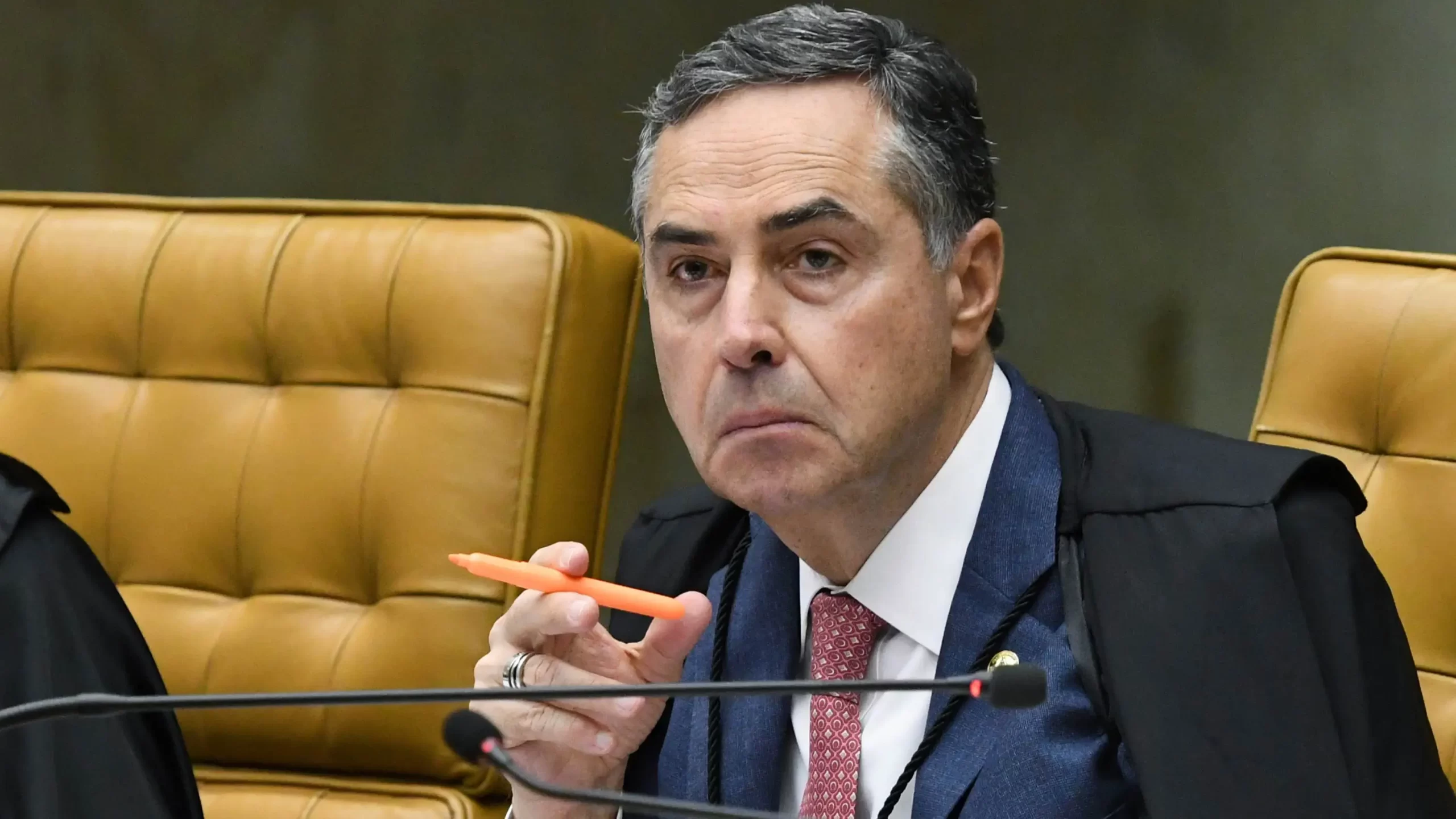
The Diplomatic Snub Heard ‘Round Brazil: Barroso’s Ambition Meets Resistance
By Hotspotorlando News
As the sun sets on August 22, 2025, a curious rumor has ignited a firestorm of commentary across social media, particularly among conservative circles in Brazil. The claim? That Luís Roberto Barroso, the outspoken president of Brazil’s Supreme Federal Court, has been rebuffed by the nation’s ambassadors in Rome and Paris, who reportedly refuse to vacate their prestigious posts for him. If true, this would mark a rare and public humiliation for a man whose judicial tenure has been marked by bold, often controversial decisions that have left many questioning the balance of power in Brazil.
The whispers began earlier today, fueled by a post from a conservative voice on X, suggesting that Barroso’s apparent desire to trade his gavel for a diplomatic portfolio has met with fierce resistance. The idea of a Supreme Court justice eyeing an ambassadorial role—especially in the cultural capitals of Rome and Paris—strikes many as audacious, given his recent rulings that have expanded government control over digital platforms. Critics argue this move would be less about serving Brazil’s interests abroad and more about escaping the growing backlash at home.
For conservatives, this saga is emblematic of a deeper issue: the overreach of Brazil’s judiciary under leaders like Barroso. His landmark decision earlier this year to hold social media platforms liable for user content has been hailed by some as a step toward curbing online chaos, but to others, it’s a blatant assault on free speech. The recent U.S. sanctions against another Supreme Court justice, Alexandre de Moraes, for similar actions only amplify the perception that Brazil’s highest court has veered into authoritarian territory. Barroso’s rumored diplomatic ambitions could be seen as an attempt to sidestep accountability, trading the courtroom for a cushier posting where his record might be less scrutinized.
The public’s reaction has been anything but subdued. Social media threads are alight with sarcastic suggestions that Barroso might find a more suitable home in nations like Iran or Cuba—countries where his judicial style might align with tighter controls on expression. These jabs, while humorous, reflect a growing frustration among those who feel the judiciary has overstepped its bounds, meddling in politics and silencing dissent. The refusal of the Rome and Paris ambassadors, if confirmed, would be a rare instance of diplomatic pushback, signaling that even Brazil’s overseas representatives are unwilling to bend to judicial whims.
Yet, Barroso himself has denied any interest in leaving the Supreme Court, a stance he reiterated months ago. Skeptics, however, point to hushed reports of pressure from the Planalto, suggesting the idea may have originated higher up. Whether this is a genuine snub or political theater, it underscores a critical question: should a justice with such a polarizing legacy be rewarded with a diplomatic role, or is this a moment for Brazil to reclaim its democratic balance?
Conservatives argue it’s the latter. The judiciary, they say, must return to its constitutional role rather than serving as a springboard for personal ambition or political maneuvering. The ambassadorial rejection, if real, is a small but significant victory for those who believe Brazil’s institutions need reform, not relocation of their leaders to foreign capitals. As the debate rages on, one thing is clear: Barroso’s next move—whether in Brasília or beyond—will be watched closely by a nation eager to see if justice will finally serve the people, not the powerful.


