




BRAZIL: The return of “Bessias”
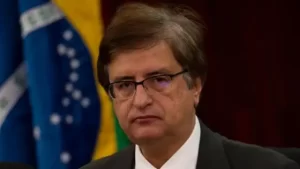
On the morning of 6 August 2026, Advogado-Geral da União Jorge Messias and Justice Minister Wellington César Lima e Silva sat down with Supreme Court Minister André Mendonça. The stated goal was to ease the escalating institutional conflict between Mendonça’s chambers and the Federal Police over the INSS fraud investigations—probes that have already reached Fábio Luís Lula da Silva, known as Lulinha.
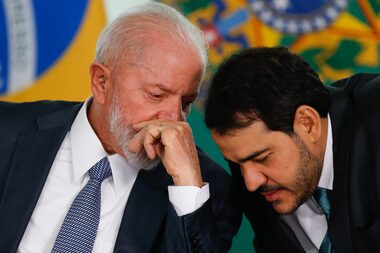
Messias is no ordinary emissary. In March 2016 he became a national footnote when Dilma Rousseff told Lula, in a intercepted call later made public, that she was sending “o Bessias” with the term of office for the Casa Civil job—“só usa em caso de necessidade.” That document was widely seen by critics as an attempt to grant Lula forum privilege and pull his Lava Jato cases out of Sérgio Moro’s court. Messias was the messenger who carried it. A decade later the same official, now the government’s chief lawyer, is the one arranging quiet talks with the minister who holds the files that touch the same political family.
The government presents the meeting as responsible institutional management: prevent a public rupture between the STF and the PF, keep the investigations moving, and restore dialogue. Messias’s office has declined to challenge Mendonça’s procedural orders in court and has instead chosen conversation. From the other side the optics look different. Mendonça has ordered the PF to deliver all raw investigative material and to give advance notice of any team changes; he has suggested that Director-General Andrei Rodrigues may have failed to comply fully, raising the possibility of obstruction. The PF pushed back, arguing the minister was overreaching into operational autonomy, and sought the AGU’s help. Instead of litigating, the AGU sent its chief to the table.
The irony is structural rather than theatrical. An Attorney General is expected to defend the Union’s interests, including those of a police force subordinated to the Justice Ministry. Yet the same official who once delivered a sensitive document in a moment of maximum political stress is now the bridge to the judge overseeing cases that again involve the Lula orbit. Supporters call it continuity of competent, trusted service. Critics call it the same reliable operative performing the same protective function under a different title.
None of this proves that Mendonça is being “pressured to look the other way,” nor does it prove that the meeting is pure institutional hygiene. It simply records what is visible: the government chose its most historically loaded intermediary for a high-stakes conversation with the minister sitting on investigations that reach the president’s son. The facts are public. The interpretation remains contested.


