




Brazil Emerges as Major Cocaine Hub for Europe Amid PCC Logistics Dominance
Analysis by Hotspotnews
A recent exclusive report in the French newspaper Le Figaro, based on an internal analysis note from France’s anti-narcotics office OFAST dated early August 2026, has highlighted Brazil’s growing role as a primary departure point for cocaine flooding France and broader Europe. The document estimates that roughly 20 tonnes of cocaine reach France annually via air mules alone, with nearly 1,200 couriers intercepted over three years traveling from Brazilian airports, particularly São Paulo. Nigerian networks are also noted as involved in aspects of the trade.
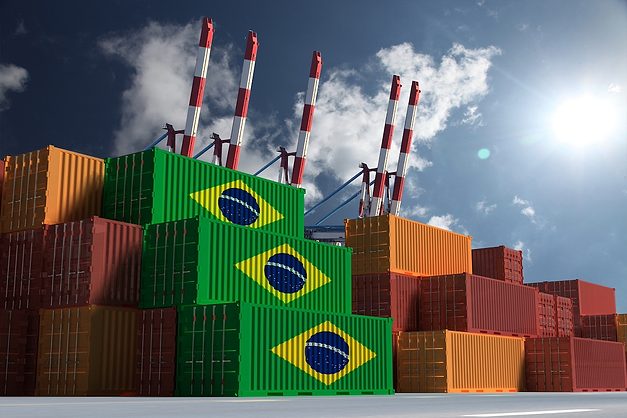
The cocaine itself does not originate in Brazil. Production remains concentrated in the Andean countries—Colombia as the largest producer, followed by Peru and Bolivia. Brazil functions mainly as a transit and export platform. Criminal groups move the drug across porous borders and river systems into Brazilian territory, then stage it for shipment onward. Maritime routes through major ports, especially Santos in São Paulo state, handle the bulk volumes destined for European ports such as Le Havre, Antwerp, Rotterdam, and others. Air routes support higher-frequency but lower-volume movements, including the mule traffic now drawing particular attention in France.
At the center of this logistics system is the Primeiro Comando da Capital, or PCC, Brazil’s largest criminal organization. Originating as a prison faction in São Paulo in 1993, the group expanded into drug trafficking and territorial control during the 2000s. By the mid-2010s it had consolidated significant influence over key export infrastructure. Public investigations and European law-enforcement assessments describe the PCC as a critical intermediary: it connects Andean suppliers with European buyers, manages security and movement inside Brazil, and facilitates departure from ports and airports. Europol has stated that major European criminal networks seeking Latin American cocaine generally cannot extract significant volumes from Brazil without PCC involvement or facilitation.
The Port of Santos has long served as the flagship node. Latin America’s largest port provides cover through high volumes of legitimate commercial cargo. The PCC’s regional structure in the surrounding Baixada Santista area, often referred to as the Sintonia da Baixada, coordinates local interests including trafficking and related financial flows. Leadership figures named in police organograms and recent operations have included individuals linked to managing outflow through the port and channeling proceeds upward within the organization. Higher-level direction frequently comes from imprisoned senior members, while local cells handle day-to-day facilitation.
Corruption plays a central enabling role. Reports from major Brazilian investigations describe systemic use of compromised or co-opted port workers and logistics staff who possess legitimate access inside terminals. Parallel economic infiltration has been extensively documented in the fuel distribution sector, where networks allegedly control or influence hundreds of gas stations and related companies to launder proceeds, evade taxes, and generate additional revenue through adulteration schemes. Contacts with law-enforcement personnel, use of professional intermediaries, and front companies further reduce operational risk. Large-scale actions such as Operação Carbono Oculto in 2025 targeted these financial and commercial structures, revealing the depth of integration into the formal economy.
Critical stages of PCC expansion into international logistics—influence over Santos around 2014, stronger control of border corridors by 2016, and solidified partnerships with European groups such as the Italian ’Ndrangheta and Balkan networks—occurred in the mid-to-late 2010s. Record seizures at Santos and recognition of Brazil as a major Europe-bound hub were already established by 2019. The current intensity of flows to France and other European destinations represents continuity and adaptation of a long-standing structural problem rather than a sudden development.
The result is a resilient platform model. The PCC does not need to own every kilogram; it provides reliable logistics, territorial control, and connections that European groups value. Diversification of ports, methods, and transit points (including occasional use of West African routes) allows the system to absorb enforcement pressure. European demand remains high, production in the Andes continues to rise, and Brazilian infrastructure offers scale and commercial camouflage that few other locations can match.
French authorities, Brazilian federal police, and European agencies continue joint efforts, but the combination of volume, corruption, and organizational adaptability keeps the corridor active. The Le Figaro reporting underscores how an Andean product, moved through Brazilian logistics controlled by a prison-born faction, now contributes substantially to the cocaine available on European streets.
#CocaineTrafficking #PCC #BrazilEurope #PortOfSantos #OrganizedCrime #DrugRoutes #OFAST #LeFigaroReport
Sources
Le Figaro exclusive (19 August 2026) based on an OFAST analysis note; Brazilian Federal Police and Ministry Público investigations (including Operação Carbono Oculto and related actions); Europol statements on PCC partnerships with European criminal networks; public organograms and reporting on the Sintonia da Baixada; UNODC and European drug monitoring data on cocaine production and trafficking routes; historical analyses of PCC expansion into international logistics from the mid-2010s onward.


