

BRAZIL MILITARY: Múcio’s Admission and the Cost of Denial
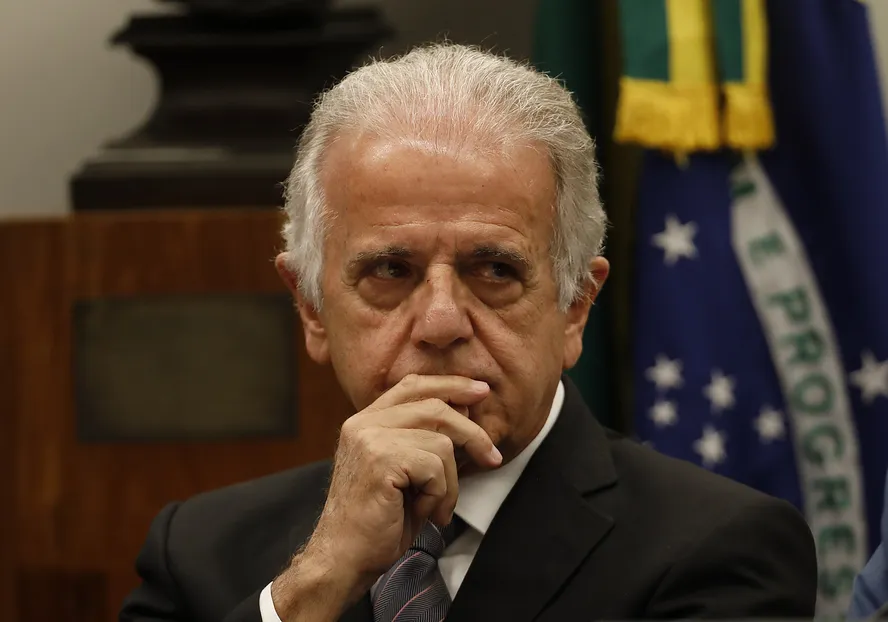
When Defense Minister José Múcio Monteiro told an audience that Brazil would have to “open the gates” if the United States ever chose to invade, he stripped away the usual careful language. He said the country lacks the equipment to fight and lacks the money even to repair the damage afterward. The comment was made while he pressed for greater budgetary predictability for the armed forces. It was not a slip. It was a blunt diagnosis.
The political reaction was swift and revealing. Inside the government and among PT circles the statement was treated as a liability. There was pressure for his resignation. Acknowledging material weakness was seen as diplomatically damaging and politically inconvenient. The priority appeared to be managing the message rather than confronting the underlying problem.
That problem is measurable. Brazil continues to spend roughly one percent of GDP on defense. A very large share of that budget—often more than seventy percent—goes to salaries, pensions, and personnel costs. What remains for new equipment, maintenance, training at scale, and modernization is limited. Strategic programs have repeatedly faced delays, reductions, or stretched timelines. The result is an armed forces that still rely on aging platforms in key areas while the requirements of modern conflict continue to rise.
This reality sits uneasily beside the administration’s frequent emphasis on sovereignty. Officials regularly stress national independence, territorial integrity, and the defense of Brazilian interests. Yet the practical means of upholding those claims have not been treated as a matching priority. Sovereignty declared without the capacity to enforce it becomes rhetoric. Múcio’s remark made the gap visible. The discomfort that followed showed how sensitive that visibility remains.
The structural imbalance between personnel spending and capital investment is older than the current government. What belongs to the present period is the failure to reverse it. High tax collection has not produced adequate investment in military readiness. Political attention has not elevated defense modernization to the level the sovereignty language would suggest. When a defense minister is left describing the country as unable to resist a major conventional threat, the contradiction is no longer theoretical.
A government serious about sovereignty would treat military capability as a core requirement rather than a residual claim on the budget. Continued underinvestment while insisting on strength is not caution—it is avoidance. Múcio said what the numbers already indicated. The effort to contain the political fallout only underscored how unwelcome that clarity still is.
This is a reflection of government with PT and their ideology. The disregard for the military preparedness, demonstrated by the budget insufficiency. For an Administration that screams for sovereignty at every moment, how were they planning to protect it? It is unforgivable hypocrisy from an Administration that wants to stay in power to continue their mistakes. What will be left after four more years?