

Brazil Markets Halt Trading After Lula Reelection Triggers Sharp Selloff
By Hotspotnews
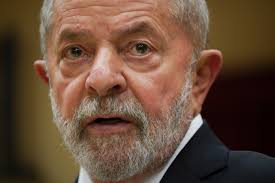
On October 26, 2026, Brazilian financial markets opened under heavy pressure following the previous day’s presidential runoff. Incumbent President Luiz Inácio Lula da Silva secured a fourth term with 51.8% of the valid votes against Flávio Bolsonaro’s 48.2%, an outcome that reversed the market’s prevailing expectation.
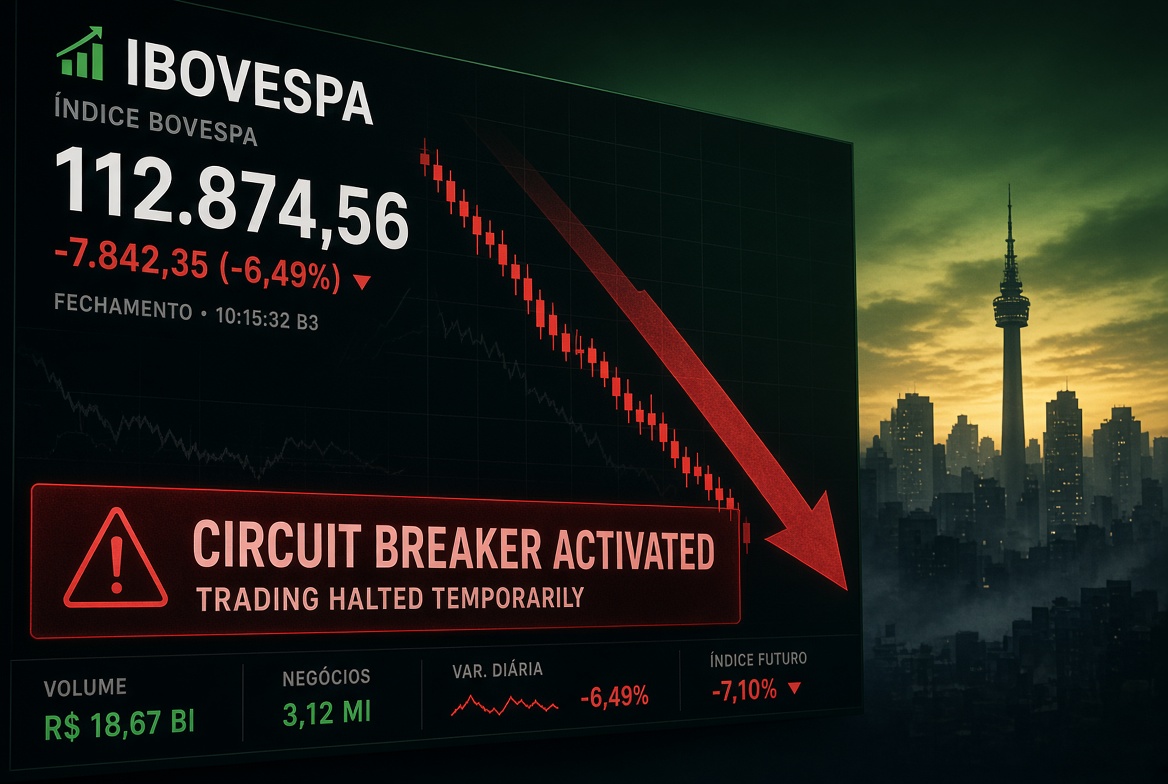
In the weeks after the first round, in which Bolsonaro finished ahead, equities and the real had strengthened on the view that a change in government would produce tighter fiscal policy, greater spending restraint, and eventually lower interest rates. Those positions were unwound once the runoff result became clear. Overnight and early-session indicators already showed the scale of the adjustment: U.S.-listed Brazilian equity ETFs fell sharply, and futures contracts on the real weakened by roughly 10%. When the B3 opened, the Ibovespa dropped more than 10% from the prior close, automatically triggering the exchange’s circuit breaker—the first such halt since the early weeks of the COVID-19 pandemic in March 2020. Trading was suspended for 30 minutes under the first-stage rule; further declines toward the 15% threshold would have brought a longer pause.
The reaction is a classic risk-repricing event. Investors had embedded a probability of fiscal consolidation and easier monetary conditions into asset prices. Continuity of the current administration instead raises the perceived likelihood of higher primary deficits, slower progress on structural reforms, and interest rates remaining elevated for longer. A weaker real also increases the local-currency cost of dollar-denominated debt and imported goods, while domestic equities reprice lower to reflect higher risk premiums. Sectors sensitive to domestic interest rates and consumption (banks, retailers, discretionary consumer names) have borne the heaviest pressure, while exporters may receive a relative cushion from the currency move.
This is not economic demise. Brazil’s economy continues to rest on large commodity exports, a deep domestic market, and an independent central bank whose inflation-targeting framework has constrained policy extremes in the past. Similar market shocks have occurred after previous elections; the initial volatility typically gives way to a period in which concrete policy signals—budget proposals, primary-surplus targets, and the relationship with Congress—determine whether the risk premium expands or stabilizes. The circuit breaker itself is a designed circuit-breaker for panic selling, not evidence of systemic collapse. How far the real and equities settle will depend on the credibility of the incoming administration’s fiscal commitments and on external conditions, including global commodity prices and the path of U.S. rates.
In short, markets have registered a clear preference for the policy path they had priced in and are now demanding compensation for the alternative. The next phase is one of price discovery and policy clarification rather than an irreversible breakdown.
#BrazilEconomy #Ibovespa #CircuitBreaker #LulaReelection #USD_BRL #B3 #FiscalRisk #EmergingMarkets #MarketReaction #BrazilElection2026
SOURCES
Reuters reporting on pre-market expectations and investor positioning after Lula’s reelection (real futures and equity ETFs under pressure; anticipation of circuit breaker).
• Bloomberg coverage of overnight and early Asian trading signals (Tokyo-listed Ibovespa-linked ETF declines, CME real futures weakness).
• Estadão and local Brazilian outlets (Monte Bravo estimates of >50% probability of circuit breaker; analysis of the post-first-round rally being reversed).
• B3 circuit-breaker rules (standard 10% / 15% / 20% thresholds from prior close; 30-minute first-stage halt).
• Election result data from Brazilian electoral authorities (Lula ~51.8%, Flávio Bolsonaro ~48.2%).
• Prior market moves after the first round (Ibovespa gains and real strength on expectations of a Bolsonaro win and fiscal tightening).