





Brazil vs. Argentina: A World Cup Qualifier Clash
The Match: A Rout in Buenos Aires
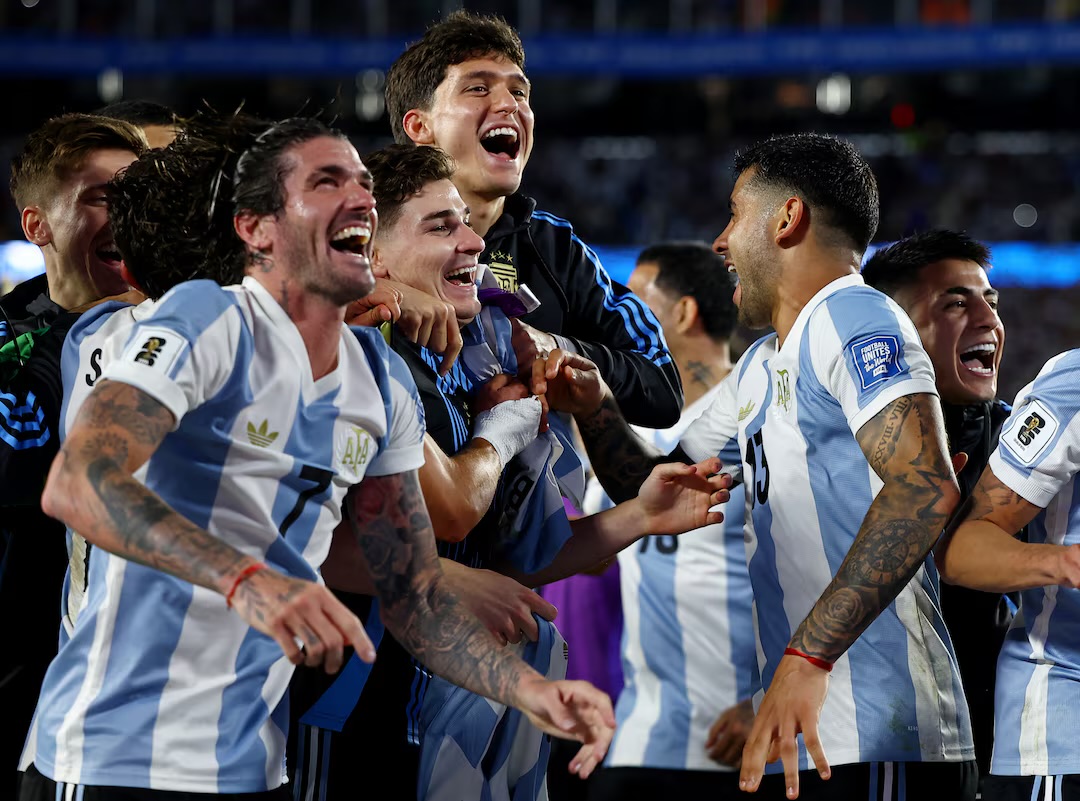
On March 25, 2025, the iconic Estadio Mâs Monumental in Buenos Aires bore witness to a footballing spectacle that left Brazil reeling and Argentina triumphant. In a FIFA World Cup 2026 qualifier, the reigning world champions Argentina dismantled their arch-rivals Brazil with a resounding 4-1 victory, securing their berth in the upcoming tournament in the United States, Canada, and Mexico. For conservatives who value strength, tradition, and national pride, this match was a stark reminder of Brazil’s current struggles and Argentina’s relentless dominance—even without their talisman, Lionel Messi.
The game kicked off with Argentina asserting control early. Just four minutes in, Julian Alvarez, the Atletico Madrid striker, darted through Brazil’s defense and slotted the ball past goalkeeper Bento, setting the tone for a one-sided affair. By the 12th minute, Enzo Fernandez doubled the lead, capping a fluid team move that showcased Argentina’s cohesion and tactical superiority. Brazil managed a brief flicker of hope at the 25-minute mark when Matheus Cunha capitalized on a rare defensive lapse by Cristian Romero to make it 2-1. But any dreams of a comeback were snuffed out before halftime as Alexis Mac Allister lifted a deft finish over Bento in the 37th minute, restoring the two-goal cushion. The final blow came in the 71st minute when substitute Giuliano Simeone—son of Atletico Madrid’s Diego Simeone—blasted home a stunning strike, sealing a 4-1 rout that echoed with chants of “olé” from the Argentine faithful.
A Tale of Two Teams
For conservatives, this result is more than a scoreline—it’s a narrative of resilience versus disarray. Argentina, even absent Messi, Lautaro Martinez, and Paulo Dybala due to injuries, displayed a unity and purpose that Brazil could only envy. With 56% possession, 12 shots (7 on target), and 4 big chances created, per Sofascore, the Albiceleste were clinical and commanding. This wasn’t just a win; it was their largest margin over Brazil since 1964, a testament to a team that knows its identity and executes it ruthlessly.
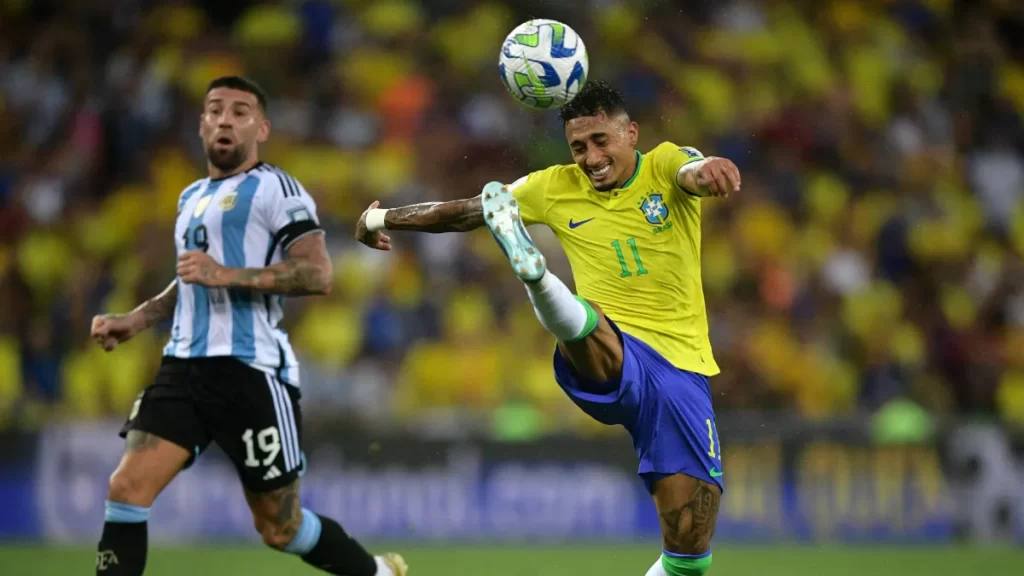
Brazil, meanwhile, looked lost. Once the gold standard of South American football, the Seleção mustered just 3 shots (1 on target) and zero big chances. The trio of Raphinha, Vinicius Jr., and Rodrygo—heralded as a fearsome attacking force—fizzled against Argentina’s disciplined backline. Coach Dorival Junior, who had boasted of “considerable improvement” after a 2-1 win over Colombia days earlier, now faces mounting pressure. As Brazilian outlet *Folha de S.Paulo* noted, this “ thrashing” in Buenos Aires, with just over a year until the World Cup, exposes a team adrift, lacking the structure and spirit that once defined its greatness.

The Conservative Lens: Pride, Tradition, and Lessons
From a conservative perspective, this match highlights the virtues Argentina upholds and Brazil has let slip. Argentina’s success is rooted in a clear system under coach Lionel Scaloni, now in his seventh year, blending veteran grit with youthful hunger. Players like Mac Allister and Fernandez, thriving in Europe’s top leagues, embody a work ethic and national pride that conservatives admire—proof that tradition and modernity can coexist when guided by purpose.
Brazil’s woes, conversely, reflect a drift from its heritage. Posts on X from fans lamented a “lackluster” performance and a team “slow” to adapt, sentiments echoing broader conservative critiques of a nation that’s lost its way. The Athletic’s analysis of Brazil’s “cycle of apathy” rings true here: a squad of global stars, many detached from domestic roots after early moves abroad, struggles to gel. Where Argentina’s players “know each other inside out,” Brazil’s are “still getting to know each other,” as defender Marquinhos admitted. For conservatives, this is a cautionary tale—progress without grounding in identity leads to collapse.The Fallout and Future**
Argentina’s victory cements their atop the CONMEBOL standings with 31 points, untouchable with four games left. Brazil, sitting third with 21 points, remains in control of their qualifying fate but faces soul-searching. Dorival’s tactics—leaving midfield exposed and failing to adjust—drew ire from Brazilian media, with GloboEsporte quipping that “you need a magnifying glass to see any progress.
” Conservatives might argue it’s time for Brazil to reclaim its past: appoint a leader who instills discipline, not just flair, and rebuild a connection with fans who’ve grown disillusioned.
For Argentina, the party in Buenos Aires was both a celebration of qualification and a statement of intent. Without Messi, they proved their depth and hunger to defend their 2022 World Cup crown. Conservatives see a nation honoring its legacy while forging ahead—a model Brazil once exemplified but must now rediscover.
A Superclásico for the Ages
March 25, 2025, will be remembered as the night Argentina humbled Brazil in a Superclásico beatdown. For conservatives, it’s a clash that underscores timeless values: unity triumphs over chaos, purpose over potential. As Brazil licks its wounds and Argentina marches toward 2026, the lesson is clear—greatness isn’t inherited; it’s earned through resolve and rootedness. The road to the World Cup just got a lot clearer for one side, and a lot murkier for the other.


