


The PGR Knew About the Cash for Lula’s Film—and Looked the Other Way
By Hotspotnews
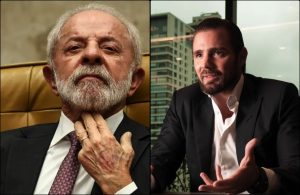
Vorcaro told investigators he could corroborate the account with WhatsApp messages, logs of people who collected the cash, and the routes and meeting points used by the operators. The same package, Veja reports, reached the PGR in June. Prosecutors declined to pursue it, citing the difficulty of proving cash handovers. Months later, the contrast with the treatment of a different film project is hard to miss.
Video👇
89de6b33c4f03c3e96567b1904e53dd95c6adab0
Vorcaro himself drew the distinction in an audio obtained by the magazine. He said he had put even more money into the Lula documentary than into the Bolsonaro project, “só que o do Lula foi por fora, foi errado. O do Flávio não foi, porque foi patrocínio, foi patrocínio normal.” The Flávio Bolsonaro sponsorship for the film Dark Horse—private money, acknowledged by the senator as a commercial arrangement, with no claim of public funds or Rouanet incentives—has been turned into campaign ammunition, leaked audio, and sustained investigative pressure. The alleged cash delivery linked to pension-fund access and the Instituto Lula sat with the PGR since June and produced no comparable public action.
This is not an isolated anecdote. Vaccari Neto’s name is already familiar from earlier PT financing scandals. Okamoto has long managed the institute that carries Lula’s name. The pattern Vorcaro describes—access to state-linked funds exchanged for undeclared cash—is the same method that marked the Mensalão and Petrolão years. What has changed is the selectivity of the institutions now charged with examining it. While opposition sponsorship is treated as presumptive scandal, a banker’s account of tens of millions in live cash for the incumbent’s image, tied explicitly to votes inside public pension funds, is set aside for lack of “proof.”
Oliver Stone and the producers of the 2024 documentary Lula have previously denied receiving funds from Vorcaro or Banco Master. The presidency has denied requesting any such support. Those denials do not erase the document the PGR already possessed, nor the audio in which Vorcaro contrasts an illegal cash channel with an ordinary sponsorship. A serious prosecutor’s office would have tested the corroboration Vorcaro offered—messages, withdrawal records, delivery routes—rather than closing the file because the money moved in bills. The decision not to do so, while the Bolsonaro film remained a live political weapon, supplies the clearest recent illustration of two-tiered justice in Brasília.
The consequences, if the account holds, are not symmetrical. For those who paid and received, Brazilian law already supplies the charges: active and passive corruption, money laundering if the cash was concealed or folded into the documentary or the institute, and administrative improbity where the benefit was accreditation or favorable votes inside state-linked pension funds. Vorcaro’s plea statements need independent corroboration; the messages, withdrawal logs, and routes he said he could produce are precisely that test. Cash alone is weak. Ignoring the offer to supply the rest is a choice.
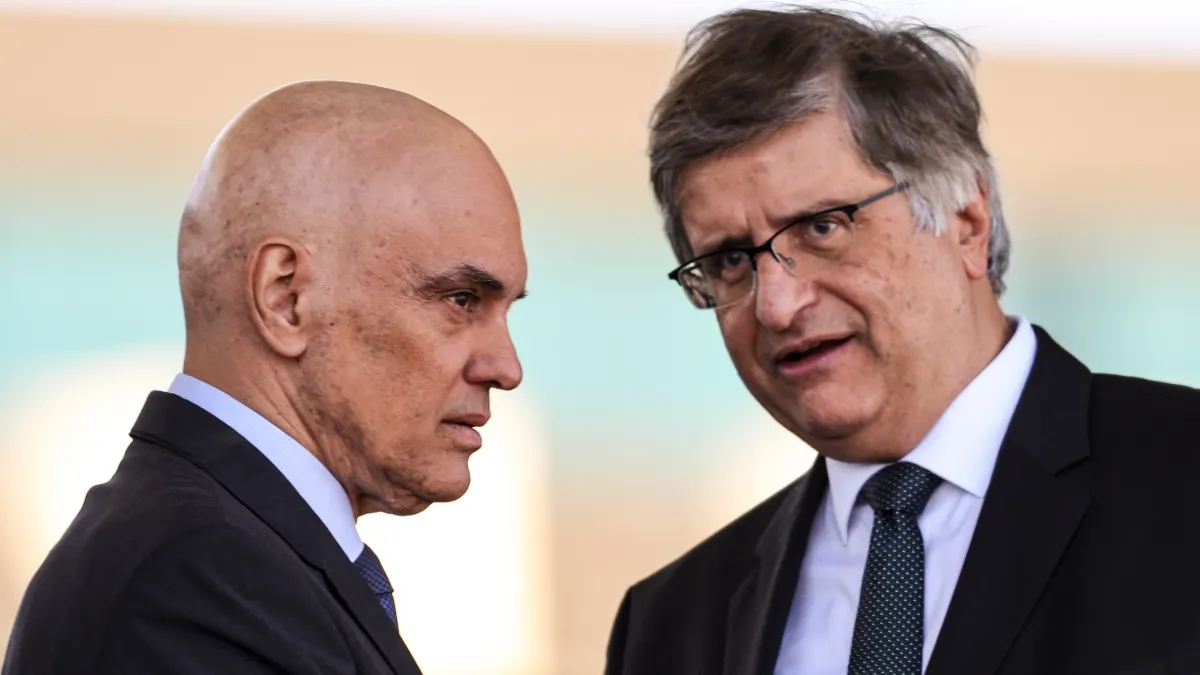
For the PGR’s inaction, intentional shelving is harder to convert into a personal conviction, and that is part of the problem. Prevaricação criminalizes a public official who, for private interest or mere whim, delays or fails to perform an official act. Prosecutors enjoy functional independence, and the Conselho Superior do Ministério Público Federal has already declined to open an inquiry into Gonet’s contacts with Vorcaro. Selective intensity—aggressive pursuit of a documented private sponsorship on one side, months of silence on a cash-for-access allegation on the other—can still support a congressional representation, a complaint to the Conselho Nacional do Ministério Público, and civil recovery actions by the funds if money is traced. It does not require a final guilty verdict to damage the claim that the law is being applied evenly.
The intentionality is an inference, but it is no longer a strained one. The file arrived in June. The contrast was drawn by the banker himself. The opposition film was weaponized; the incumbent’s alleged cash channel was not. Brazilians watching the 2026 campaign are entitled to ask why one set of backers faces relentless scrutiny and the other does not. On the evidence Veja has now placed on the record, the answer appears to lie less in the facts than in who holds the PGR and who benefits from its silence.
#Brazil #Lula #Bolsonaro #PGR #InstitutoLula #Vorcaro #Veja #Corrupcao #JusticaSeletiva #Eleicoes2026
Sources: Veja exclusive report and document excerpts published 9 October 2026 detailing Daniel Vorcaro’s June submission to the PGR and accompanying audio; prior public statements by Oliver Stone’s production team and the Brazilian presidency denying Vorcaro funding for the documentary Lula; Código Penal articles on corruption and prevaricação; Lei 9.613/1998 on money laundering; Lei 8.429/1992 on administrative improbity.


