



Brazilian Business Elite Moves Quickly to Court Flávio Bolsonaro After First-Round Results
By Hotspotnews
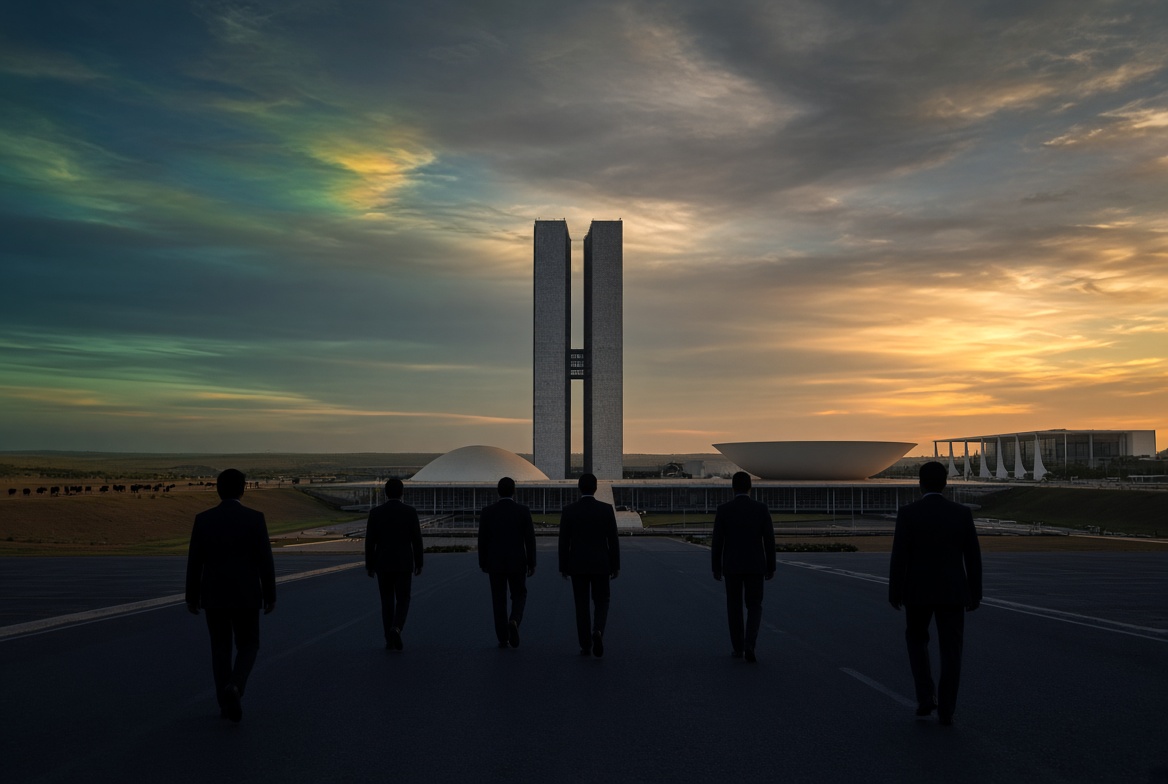
In the days after the first round of Brazil’s 2026 presidential election, a noticeable realignment has taken place among some of the country’s most influential business figures. Bankers, investors, and executives who had recently maintained open lines with President Luiz Inácio Lula da Silva’s government are now intensifying contacts with Senator Flávio Bolsonaro’s campaign and close advisors. Bloomberg reporting published on October 14 described the shift as business leaders who had previously kept their distance now seeking meetings and influence over a possible future government.
Flávio Bolsonaro, son of former President Jair Bolsonaro, finished the first round in a strong position and entered the runoff as a competitive or leading candidate. The result produced an immediate market reaction, particularly in financial stocks, and accelerated private-sector efforts to secure access before the second round. According to people familiar with the discussions, these approaches had already begun as Bolsonaro rose in the polls; they became more visible and urgent once the first-round numbers made a victory appear plausible.
André Esteves, chairman of BTG Pactual, has emerged as one of the clearest examples of the pivot. Roughly a month before the first round, he helped organize a dinner hosted by Lula at the Alvorada Palace and selected the guest list, which included Joesley Batista of JBS. At the same time, Esteves has dined privately with Flávio Bolsonaro and has drawn closer to São Paulo Governor Tarcísio de Freitas. He is reported to be participating in discussions about possible cabinet members and has advocated for Mansueto Almeida, BTG’s chief economist and a former National Treasury Secretary, to lead the Finance Ministry. Almeida is widely respected for his fiscal expertise, having served under both Michel Temer and Jair Bolsonaro.
Other names circulating for the top economic post include Marcelo Kayath, former head of Credit Suisse in Brazil and now a partner at QMS Capital; Alexandre Bettamio of Bank of America; and Roberto Campos Neto, who served as Central Bank president from 2019 to 2024 and is now at Nubank. Kayath has organized dinners and meetings that connected Flávio with bankers and executives, including one in Miami, and has received support from parts of the market and from Eduardo Bolsonaro. Some within the campaign’s more hardline base remain uneasy about Kayath’s earlier criticisms of Paulo Guedes and his past support for Lula.
Advisors linked to Joesley Batista and the J&F group, which controls JBS, the world’s largest meat producer, are also seeking closer ties. The Batista brothers have a long record of maintaining political relationships across administrations. They were major campaign financiers in earlier cycles, admitted extensive political payments during the Lava Jato investigations, kept substantial access to the Agriculture Ministry under Jair Bolsonaro, and later engaged with Lula’s government, including Joesley’s participation in a 2023 China trip. Their current outreach follows the same pragmatic pattern. While some in Flávio’s circle have expressed discomfort over dual relationships—particularly involving a campaign figure who has also represented J&F—the economic weight of the group makes total isolation difficult for any serious contender.
Inside Flávio’s own camp, competition for senior posts is already active. Daniella Marques, former president of Caixa Econômica Federal and the campaign’s main economic coordinator, remains a central figure and has been mentioned for Finance, a broader social portfolio, or the Casa Civil. Adolfo Sachsida, who served as Mines and Energy Minister under Jair Bolsonaro, is involved in the economic team and is discussed for Planning or infrastructure roles. Rogério Marinho, the campaign coordinator, is a leading candidate for Casa Civil, while Tereza Cristina, former Agriculture Minister, is frequently linked to either the Senate presidency or a senior cabinet post. Agribusiness and security names such as Pedro Lupion and Guilherme Derrite have also appeared in discussions.
Education groups have proposed names for the Education Ministry, and executives from infrastructure and health sectors have sought meetings. Campaign finance data show donations coming disproportionately from agribusiness, energy, retail, and industrial figures aligned with the Liberal Party and its allies.
The current activity is consistent with long-standing Brazilian political practice. Large economic groups treat access to whoever is likely to govern as a normal part of operations. What stands out in mid-October 2026 is the speed of the pivot once Flávio Bolsonaro’s position strengthened. Whether these contacts produce formal roles will depend on the runoff result and subsequent negotiations among Flávio’s political allies, family members, and the broader center-right coalition that has formed around him.
Sources: Bloomberg and Bloomberg Línea reporting, October 8–14, 2026; Valor Econômico; Folha de S.Paulo; O Globo; Estadão; campaign and market sources cited in those outlets.
#FlavioBolsonaro #Eleicoes2026 #BTG #JBS #MansuetoAlmeida #MarceloKayath #RobertoCamposNeto #DaniellaMarques #AndreEsteves #Bolsonaro #Lula #MercadoFinanceiro #Agro #PoliticaBrasileira


