



Brazilian Media’s Lazy Spin Exposed: No ‘Victory’ for Censorship Judge Moraes in U.S. Court
By Hotspotnews
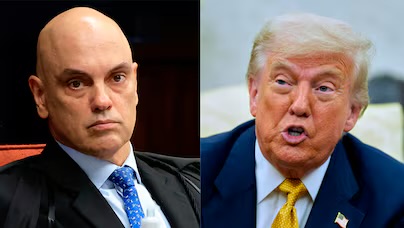
Brazilian outlets rushed to declare a triumph for Supreme Court Justice Alexandre de Moraes after a Florida federal court allowed the Brazilian Attorney General’s office to defend him in an ongoing lawsuit. The story, parroted across multiple platforms with almost identical wording, claimed the U.S. justice system had green-lit official Brazilian intervention on behalf of the magistrate in a case brought by Rumble and Trump Media.
It sounded like a win. It wasn’t.
The video circulating online features a clear-eyed legal analysis that cuts through the narrative. The lawyer dismantles the breathless reporting point by point. What the Brazilian press presented as a substantive legal victory was nothing more than a routine procedural ruling. The court simply permitted the Brazilian government to participate in defending one of its own officials in an American lawsuit. That is standard international comity; it does not validate Moraes’ actions, nor does it resolve the underlying claims.
The lawsuit itself stems from actions taken by Moraes that U.S. companies argue crossed into improper extraterritorial overreach. Rumble and Trump Media are challenging orders that targeted platforms and content, including restrictions that affected American users and businesses. Allowing Brazil’s Attorney General’s office to file papers does not mean the American court has sided with censorship. It means the case continues, and the companies still have every opportunity to contest the intervention and press their arguments on the merits.
This is textbook copy-paste journalism. Headlines and paragraphs repeated almost verbatim across outlets, with zero independent verification or context. No examination of the actual court filing. No explanation of what the plaintiffs are actually alleging. Just the comforting storyline that a Brazilian judge celebrated by the left for cracking down on “disinformation” and conservative voices had scored points on American soil.
Conservatives have seen this movie before. When institutions or officials aligned with progressive causes face scrutiny, sympathetic media immediately frame any procedural development as vindication. When the same standards are applied to others, the coverage shifts to alarm about “foreign interference” or “attacks on democracy.” The double standard is glaring.
Moraes has built a record of aggressive orders against social media platforms, including demands for account suspensions and content removal that many view as direct assaults on free expression. American companies pushing back in U.S. courts represent a necessary defense of principles that should not stop at national borders when the targets are U.S. platforms and users. The idea that a foreign judge can effectively dictate speech rules for American companies without pushback is precisely what these lawsuits are testing.
The Brazilian press’s eagerness to declare victory before any ruling on the substance reveals more about its priorities than about the law. Real journalism would have asked harder questions: What exactly did the court authorize? What are the plaintiffs arguing? Has the case been decided on the merits? Instead, the coverage functioned as amplification of a preferred narrative.
Trump’s legal circle and aligned voices have consistently highlighted these issues because they understand the stakes. Free speech is not a Brazilian domestic matter when it involves U.S. technology companies and American citizens. Allowing foreign judicial actors to extend their reach unchallenged sets a dangerous precedent that undermines the very platforms conservatives rely on to bypass legacy media gatekeepers.
The video makes the contrast stark. While major outlets vomited out the same unexamined claim, one lawyer took the time to read the filing and explain what it actually means. That gap between careful analysis and lazy repetition is why public trust in institutional media continues to erode.
The case is not over. The companies have until early July to respond. Any honest reporting would wait for actual developments rather than rush to crown a winner based on a procedural footnote. Until then, the only clear victory belongs to those willing to read the documents instead of the headlines.