

The Cost of Costly Vanity: How the Pursuit of Expensive Popularity Led One Banker to Ruin
By Hotspotnews
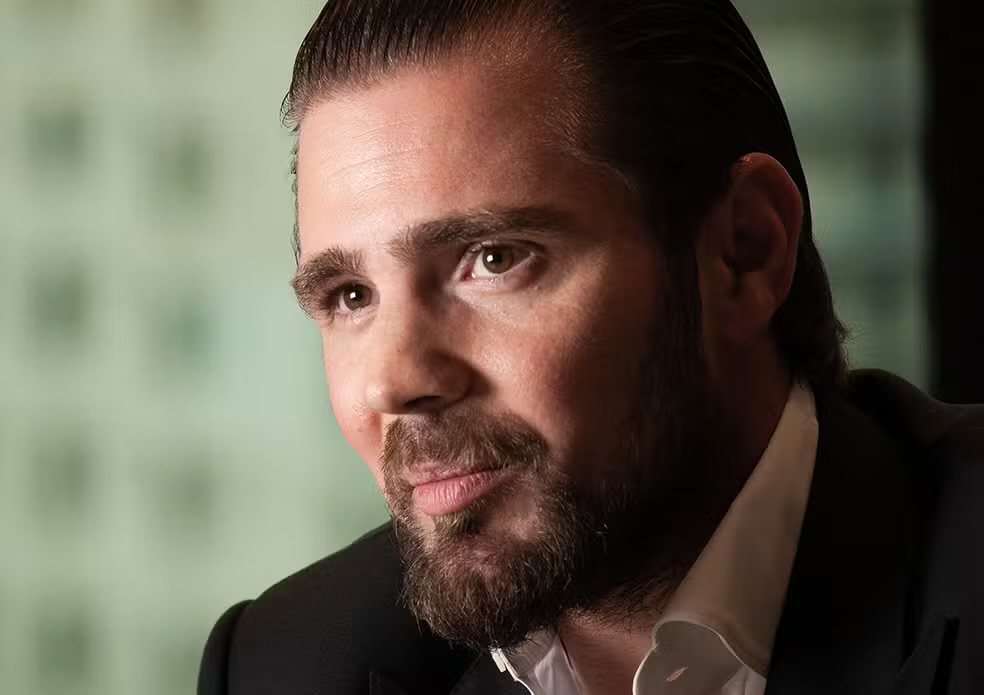
In the glittering world of Brazil’s financial and political elite, Daniel Vorcaro rose like a comet—fueled not by quiet competence or steady enterprise, but by a spectacular display of wealth designed to dazzle and dominate. His story is a modern parable of evil vanity: the toxic blend of arrogance, ignorance, and insatiable hunger for status that drives people to spend fortunes chasing fleeting popularity, only to watch everything collapse in spectacular ruin.
Vorcaro, the former controlling shareholder and president of Banco Master, didn’t just live large—he weaponized luxury as a tool of influence. Private jets ferried guests to Saint-Tropez parties where dozens of models from around the world were flown in, housed in five-star hotels, and presented as part of the spectacle. Multimillion-dollar events featured world-class entertainers, exclusive whisky tastings, and cigar sessions at elite venues in London and New York. His daughter’s 15th birthday reportedly cost millions, complete with high-profile performers on a private island setting. In Miami, entities linked to him acquired a record-breaking waterfront estate, plus additional luxury properties and condos.
This wasn’t mere personal indulgence. It was a calculated campaign. He spent tens of millions—some reports cite over $120 million between 2024 and early 2025 alone—on lavish trips, parties, and experiences explicitly aimed at courting politicians, judges, regulators, and other power brokers. The goal? To build an aura of untouchable success, secure deposits for his bank through high-yield promises, and create a network of allies who might shield him from scrutiny.
The ignorance here was profound. Vorcaro appeared to believe that expensive popularity—the kind bought with other people’s money funneled through aggressive (and later alleged fraudulent) banking practices—could buy permanent insulation. Banco Master exploded in size by offering unusually high returns on certificates of deposit, attracting capital that allegedly masked deeper problems like fictitious credits and liquidity crises. The flashy lifestyle projected strength and inevitability: “Look at me—I’m the man who can throw these parties and rub shoulders with the powerful. My bank is unstoppable.”
But vanity is a poor foundation. As the bank teetered, the same displays that once impressed became evidence of recklessness and potential diversion of funds. The Central Bank of Brazil ordered the extrajudicial liquidation of Banco Master in November 2025 amid a severe liquidity crisis and regulatory violations. What followed was a cascade of arrests, including Vorcaro’s multiple detentions, investigations into fraud, money laundering, and influence-peddling, and massive losses for Brazil’s deposit guarantee fund.
His father was also detained in later phases. Assets, including luxury real estate, face scrutiny. The very elites he courted with jets and parties now watch as the scandal drags names across the political spectrum into the spotlight. What was meant to be armor became a spotlight on hubris.
This is the ancient trap of vanity. The desire for expensive popularity—status that must be constantly performed and renewed at ever-higher costs—blinds one to risk. It ignores that true influence and security come from substance, not spectacle. When the music stops (and it always does when built on sand), the fall is harder because the heights were artificial.
The Bible captured this truth long ago. Proverbs 16:18 warns: “Pride goes before destruction, and a haughty spirit before a fall.” Vorcaro’s pursuit of flashy alliances and ostentatious living exemplified the haughty spirit—believing wealth and connections made him untouchable.
Proverbs 13:11 adds: “Wealth gained hastily will dwindle, but whoever gathers little by little will increase it” (or in older translations: “Wealth gotten by vanity shall be diminished”). The quick elite access and apparent riches evaporated exactly as described.
Ecclesiastes 5:10 declares: “Whoever loves money never has enough; whoever loves wealth is never satisfied with their income. This too is vanity.” His high-stakes spending and deposit-attracting flash never stabilized the bank—it was built on unsustainable foundations.
And 1 Timothy 6:9-10 explains the deeper danger: “Those who want to get rich fall into temptation and a trap and into many foolish and harmful desires that plunge people into ruin and destruction. For the love of money is a root of all kinds of evil.”
Vorcaro’s case isn’t just about one man or one bank; it’s a warning about the corrosive power of chasing admiration through consumption and display. Vanity is expensive in every sense. It demands constant feeding, distorts judgment, and ultimately extracts a price far higher than any party, mansion, or jet could ever justify. Those who build empires on the illusion of effortless grandeur often discover, too late, how fragile—and how ruinous—that illusion truly is.
The ruins of Banco Master stand as a stark monument to that truth. Popularity, when bought rather than earned, is never cheap—and it is never permanent.