

OPINION: Why Should Struggling Brazilians Pay to Defend a Rogue Judge’s Censorship Abroad?
By Hotspotnews
Brazil is a nation of profound contrasts and untapped promise. It possesses vast natural resources, a vibrant culture, and a hardworking people capable of building a prosperous future. Yet for too many citizens — especially in the Northeast and among the poor — daily life is defined by hunger, limited education, illiteracy, and grinding poverty. Social and economic inequality fuels deep political polarization, while widespread corruption clouds every attempt at honest debate. When elected representatives are busy selling influence instead of serving the public, how can ordinary Brazilians properly evaluate the political situation or hold power accountable?
These systemic failures are not abstract. They have real human costs. Families across the country continue to endure injustice, arbitrary imprisonment, and in some tragic cases, the loss of loved ones who died in custody while awaiting justice that never came. In a healthy democracy, the Supreme Court exists to protect the Constitution and individual rights. In Brazil today, one justice in particular has turned that institution into something far more personal and political.
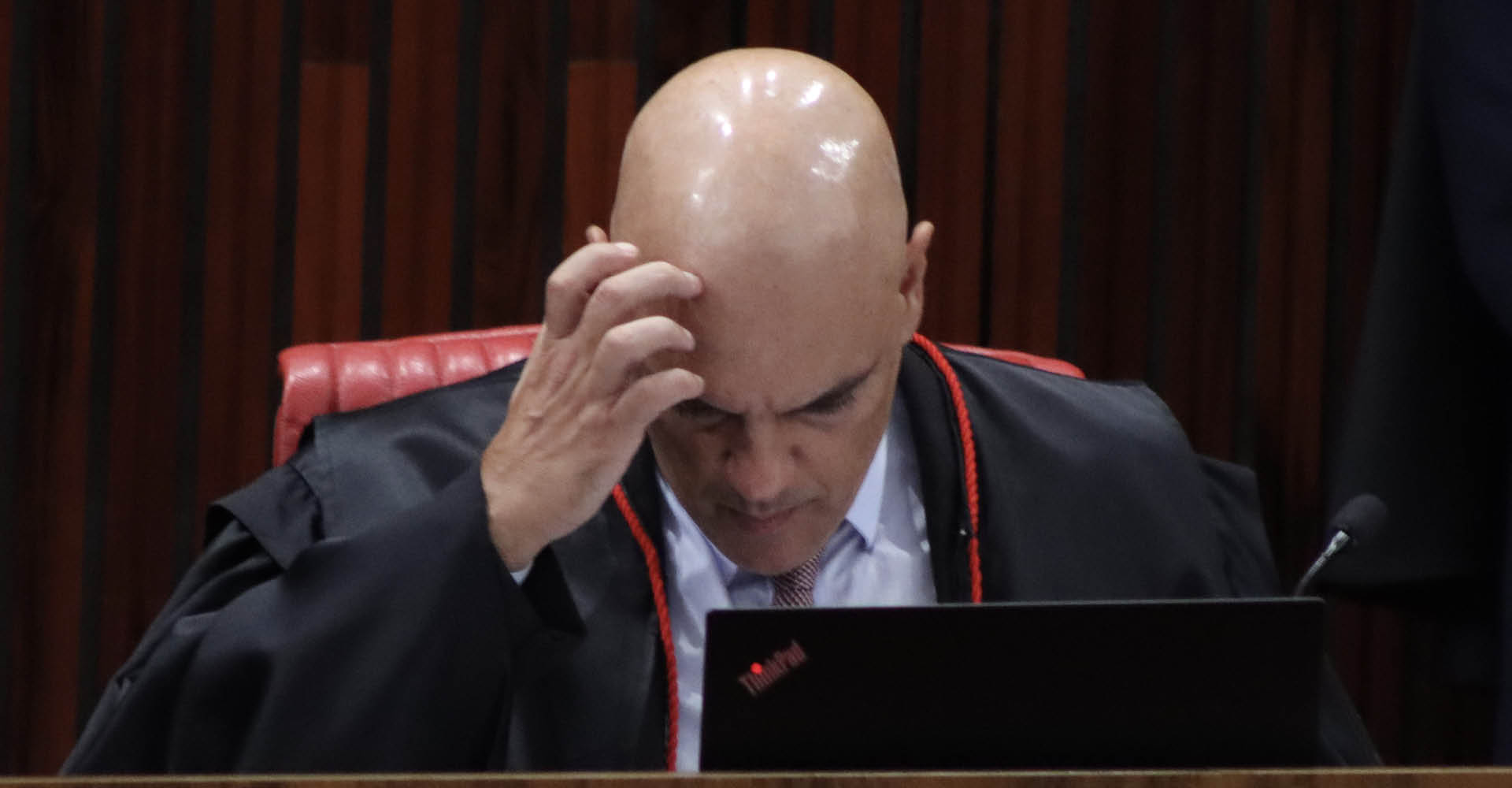
Alexandre de Moraes has used his position to accuse, investigate, persecute, and sentence at will — often targeting political opponents and critics under the banner of defending democracy. His orders have reached beyond Brazil’s borders, pressuring American technology platforms to censor content and silence voices. This is not the measured application of law; it is the exercise of raw power that disregards due process, human rights, and the very Constitution he is sworn to uphold.
Now the United States has become the latest arena. Rumble and Trump Media have filed suit in federal court in Florida, arguing that Moraes’ extraterritorial censorship orders violate American free-speech principles and cannot be enforced against U.S. companies. Instead of allowing the judge to defend himself as an individual, the Brazilian government — through the AGU — has intervened on his behalf. Taxpayers are now being asked to bankroll expensive American lawyers to argue that Moraes’ actions represent official state policy deserving of sovereign immunity.
This is a profound betrayal. While millions of Brazilians struggle to put food on the table, access basic education, or escape the cycle of poverty, their hard-earned money is being spent to shield one powerful man from accountability in a foreign courtroom. The same government that claims to represent the people is using public resources to defend decisions that have contributed to division, fear, and the erosion of trust in institutions.
There is little remorse on display. No acknowledgment of the families still grieving. No recognition that political persecution and selective justice undermine the very democracy being invoked. Instead, we see the continuation of a pattern: power concentrated in few hands, criticism labeled as threat, and the bill sent to the citizens least able to pay it.
Brazil has always had the potential to become a model of freedom and prosperity in Latin America. That potential remains blocked by entrenched political vices — corruption, lack of accountability, and the weaponization of the judiciary for partisan ends. Defending a single judge’s overreach at taxpayer expense does nothing to solve these problems. It only deepens the cynicism and strengthens the perception that the system protects the powerful while the people pay the price.
Brazilians deserve better. They deserve a judiciary that protects the Constitution rather than personal or political agendas. They deserve leaders who prioritize education, economic opportunity, and honest governance over shielding controversial officials from scrutiny. And they certainly deserve not to subsidize the international legal defense of actions that have caused so much harm at home.
The world is watching this case. So are the Brazilian people — those who have long tried to raise their voices about these abuses. Justice should not be reduced to whatever the highest bidder or most powerful actor can afford. It should serve the citizens, not burden them further.