




Brazil’s Asylum for Nadine Heredia: A Troubling Precedent for Justice in Latin America
By Laiz Rodrigues-Hotspotorlando Bews
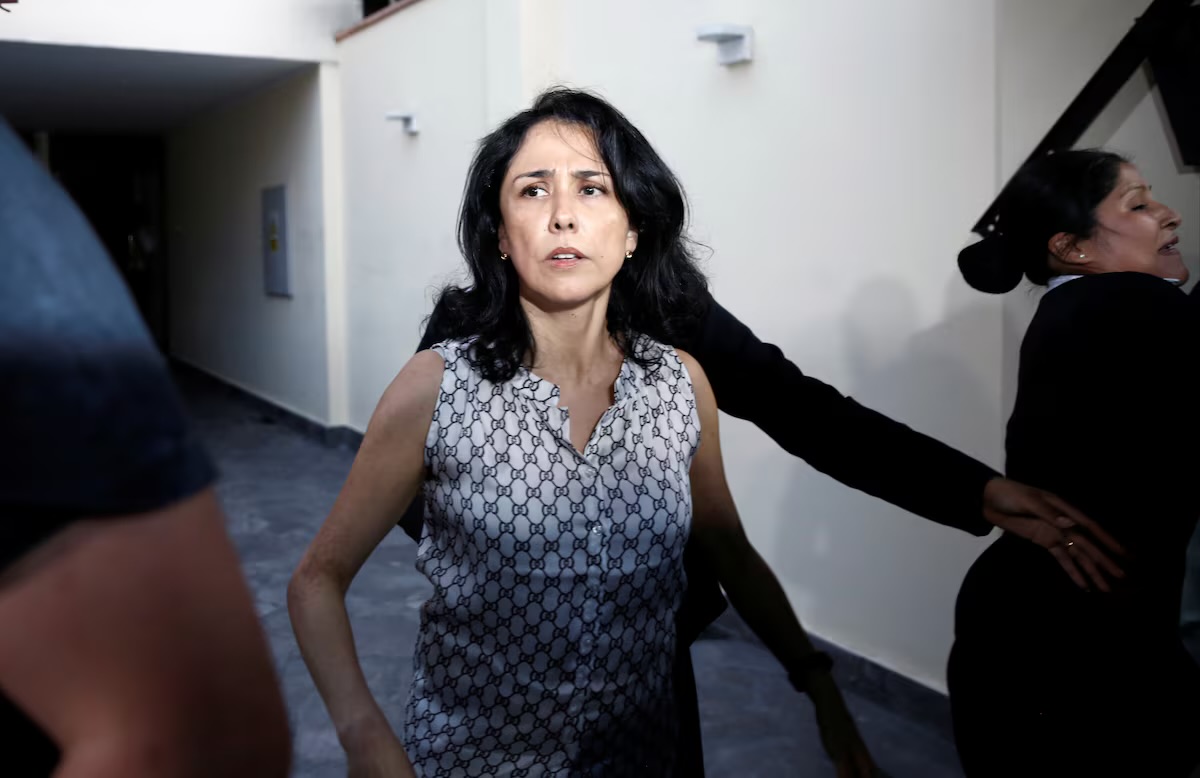
In a decision that undermines accountability and the rule of law, Brazil’s Ministry of Foreign Affairs has granted diplomatic asylum to Nadine Heredia, wife of former Peruvian President Ollanta Humala, following their April 15, 2025, conviction for money laundering. This move, facilitated through Brazil’s embassy in Lima, not only obstructs Peru’s fight against corruption but also sets a dangerous precedent for shielding political elites from justice in Latin America.
Heredia and Humala were sentenced to 15 years each by Peru’s Third Collegiate Court for laundering illicit funds from Brazil’s Odebrecht (now Novonor) and Venezuela’s socialist regime to finance Humala’s 2006 and 2011 presidential campaigns. The Odebrecht scandal, a sprawling web of bribes across the region, has toppled governments and eroded public trust. Peru, battered by decades of political scandals, has shown resolve in holding its leaders accountable. Humala’s conviction marks him as the third ex-president in recent years to face imprisonment, a bold step toward justice.
Yet, Brazil’s decision to grant Heredia asylum—invoking the 1954 Convention on Diplomatic Asylum—throws this progress into jeopardy. Peru agreed to provide safe passage for Heredia and her son to Brazil, but the implications are dire: a convicted criminal, tied to foreign influence and corruption, is being shielded from justice. This risks emboldening other political figures to evade accountability by seeking refuge in sympathetic nations.
From a conservative perspective, this is deeply troubling. First, it exposes the dangers of leftist networks in Latin America, where ideological allies—like Brazil’s current leadership and Venezuela’s Chavista regime—seem to protect one another. The funds from Hugo Chávez’s Venezuela, funneled into Humala’s campaign, highlight how socialist regimes exploit corruption to extend their influence, violating national sovereignty and democratic principles. Brazil’s asylum grant, orchestrated by its Ministry of Foreign Affairs, appears to perpetuate this pattern, prioritizing political loyalty over justice.
Second, it undermines the principle that no one is above the law. Peru’s judiciary delivered a clear verdict: Heredia and Humala betrayed their nation for personal gain. Allowing Heredia to escape punishment sends a message that wealth and connections can buy impunity, an affront to Peru’s hardworking citizens who deserve equal accountability for all.
Brazil’s defenders might claim asylum is a humanitarian or diplomatic necessity. But this ignores the broader stakes: Latin America cannot afford to let corruption fester. The Odebrecht scandal has fueled unrest and distrust. If nations like Brazil offer safe havens to those convicted of such crimes, they perpetuate a cycle of instability.
Peru’s anti-corruption fight is a model for the region, proving even former presidents can face justice. Brazil should reconsider its stance and support, not obstruct, these efforts. The United States and global powers must also back anti-corruption initiatives to promote stability and democratic values. Asylum for the guilty is not compassion—it’s complicity.
As conservatives, we champion accountability, the rule of law, and national sovereignty. Brazil’s decision to shield Nadine Heredia undermines all three. The international community must stand with Peru and demand that no one, not even the politically connected, escapes justice.
Photo: Reuters


