





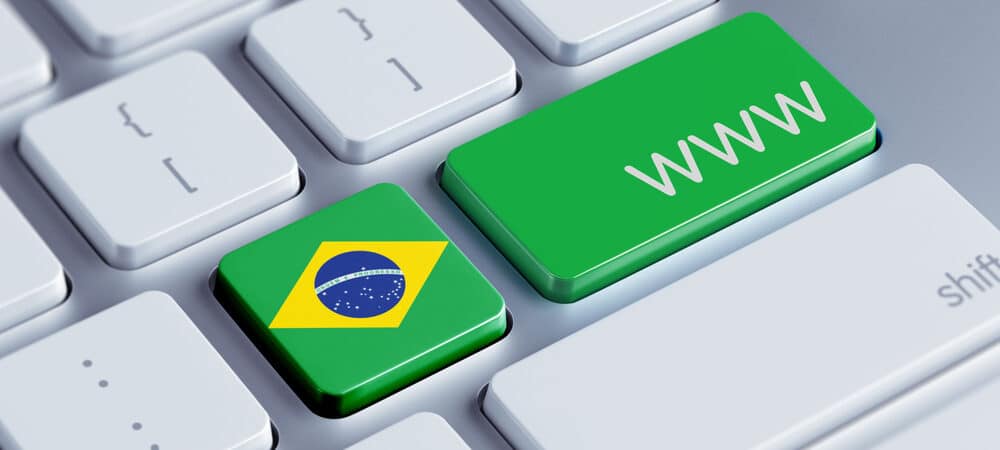
Brazil’s Bold Bid to Tame the Internet: A Step Too Far?
By Hotspotnews
In the digital frontier of the internet, where data flows freely across borders and platforms shape global discourse, Brazil has emerged as a nation daring to impose order on what many call a “lawless land.” Under President Lula, the Brazilian government has launched an ambitious campaign to regulate the online world, targeting everything from misinformation to child safety. But this audacious effort, framed as a defense of democracy and national sovereignty, has ignited a firestorm of debate. Critics argue that Brazil’s attempt to control the internet oversteps its authority, threatening the very freedoms it claims to protect. Is Brazil’s bold move a visionary stand against digital chaos or a reckless overreach that risks fracturing the global internet?
The roots of Brazil’s push lie in its turbulent recent history. The 2023 Brasília riots, where far-right groups used social media to orchestrate attacks on government buildings, exposed the internet’s power to destabilize democracy. Lula’s administration, scarred by these events and wary of foreign influence after NSA spying revelations, sees unchecked digital platforms as existential threats. Bills like PL 2630/2020, dubbed the “Fake News Bill,” aim to force tech giants to police content more aggressively, while PL 2628/2022 demands age verification to shield minors from harmful material. The Supreme Court’s 2025 ruling to strip platforms of “safe harbor” protections further tightened the screws, holding companies liable for user posts. Brazil’s message is clear: the internet must bend to its laws.
Yet this crusade assumes Brazil can dictate terms to a global network that defies national borders. The internet isn’t a physical asset one country can own—it’s a decentralized web of cables, servers, and protocols, managed by a patchwork of corporations, governments, and non-profits. Brazil’s infrastructure—its fiber-optic networks and data centers—gives it leverage over its domestic digital space, but trying to rein in global platforms like X or Rumble is another matter. When Brazil banned X in 2025 for defying court orders, the move backfired, sparking outrage and accusations of censorship. Critics argue that Brazil, a single nation among many, lacks the moral or legal authority to reshape a global system. Its “rights” end at its borders, and its aggressive stance risks alienating the very platforms that connect Brazilians to the world.
The audacity of Brazil’s approach lies in its defiance of this reality. Lula’s government isn’t just regulating local networks; it’s challenging the dominance of foreign tech giants and advocating for a UN-led overhaul of internet governance. This vision of “digital sovereignty” seeks to dilute U.S. influence, evident in Brazil’s push for undersea cables bypassing American routes and its calls for multilateral control. But this ambition ignores a hard truth: the internet thrives on its openness. If every nation follows Brazil’s lead, imposing its own rules, the result could be a splintered internet—a patchwork of walled-off digital fiefdoms where access and expression vary by geography.
Supporters of Brazil’s efforts argue it’s not control but accountability. They point to the real harms of misinformation, cybercrime, and unregulated algorithms that amplify hate. Brazil’s 2018 data protection law and its globally admired multistakeholder model show it can lead responsibly. Yet the line between regulation and overreach is thin. Mandating biometric age checks or forcing platforms to hand over user data raises chilling questions about privacy and state power. Free speech advocates warn that Brazil’s laws could embolden authoritarian regimes to justify their own crackdowns, cloaking censorship in the guise of public safety.
The stakes are high. Brazil’s bid to tame the internet could set a precedent, for better or worse. If successful, it might inspire a global push for responsible digital governance. If it fails, it risks isolating Brazil, driving away innovation, and fueling a broader clash over who gets to shape the internet’s future. The audacity of Brazil’s actions lies not just in their scope but in their gamble: a single nation, however determined, cannot control a system built to defy control. As the world watches, Brazil’s bold experiment may reveal whether the internet can be governed without losing its soul—or whether the cure for its chaos is worse than the disease.


