



Brazil’s Border Blunder: Barring U.S. Admiral Exposes Weakness and Hubris
By Hotspotorlando News
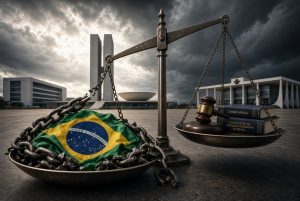
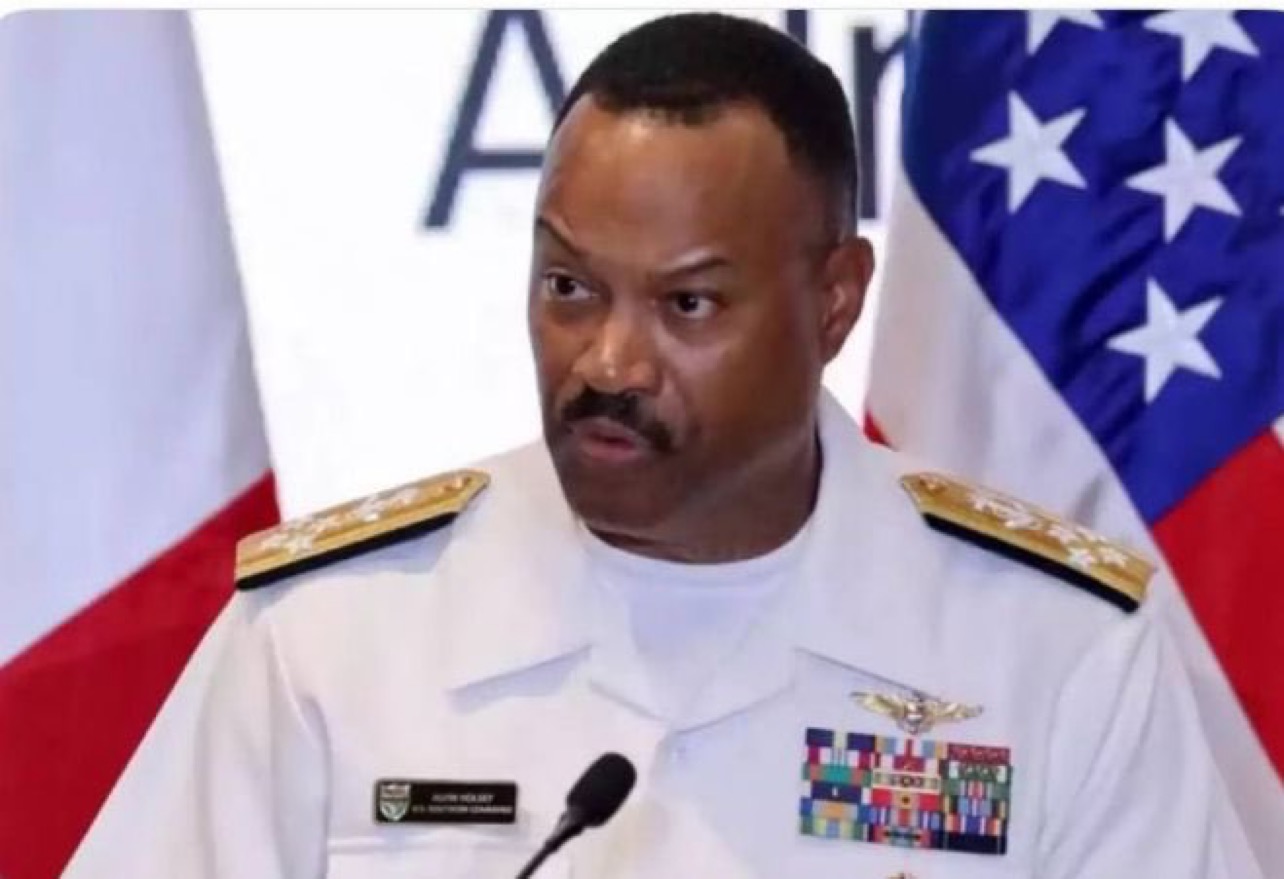
In a move that reeks of shortsighted nationalism, Brazil has reportedly blocked Admiral Alvin Holsey, commander of the U.S. Southern Command, from visiting a military unit in the Amazon during his recent trip to the country. This diplomatic snub, cloaked as a scheduling conflict with the Commander of the Military Command of the Amazon, lays bare Brazil’s faltering grip on its porous borders and its troubling reluctance to cooperate with a key ally in the fight against transnational crime. The incident, occurring amidst Holsey’s May 2025 visit to Brasília and Rio Branco, signals a dangerous mix of pride and incompetence that conservatives in America and Brazil alike should view with alarm.
Holsey’s visit was no casual jaunt. As the head of SOUTHCOM, he oversees U.S. military efforts to bolster security across Latin America, a region increasingly plagued by narco-trafficking, illegal arms trade, and organized crime spilling across borders. His agenda in Brazil included high-level meetings with Defense Minister José Múcio Monteiro and military leaders to strengthen bilateral ties, followed by a stop in Acre to assess security challenges at the volatile Brazil-Peru-Bolivia frontier. This tri-border region, a notorious hotspot for drug cartels and smuggling, demands robust international cooperation. Yet, Brazil’s decision to limit Holsey’s access to a key Amazonian military unit suggests a government more concerned with flexing sovereignty than securing its own backyard.
Conservatives understand that borders are not just lines on a map—they are the first line of defense for a nation’s sovereignty and safety. Brazil’s Amazonian frontier, sprawling and under-patrolled, is a gaping vulnerability. Reports indicate that cartels exploit this region with impunity, funneling drugs and weapons into Brazil and beyond. The U.S., with its unmatched intelligence and military resources, has long been a partner in combating these threats, from joint exercises to cyber-defense collaborations. Holsey’s visit was a chance to deepen this partnership, particularly in an era when China and Russia are eyeing Latin America’s resources and influence. By obstructing his mission, Brazil not only undermines its own security but also signals to adversaries that it prioritizes ego over efficacy.
This incident reflects a broader pattern of leftist governance in Brazil, where posturing often trumps pragmatism. The current administration, wary of appearing too cozy with the U.S., seems to forget that alliances are not about subservience but mutual strength. Conservatives in Brazil, like their American counterparts, champion a clear-eyed approach to national security: strong borders, strong allies, and zero tolerance for crime. Barring Holsey from a military site in the Amazon—a region where Brazil’s control is shaky at best—is not a show of strength but a confession of weakness. It suggests a government either too proud to accept help or too disorganized to coordinate it.
The stakes could not be higher. As China expands its footprint in Latin America, from space facilities to economic coercion, and as Russia stirs instability, Brazil’s dithering invites trouble. Conservatives must call this what it is: a self-inflicted wound that endangers the hemisphere. The U.S. and Brazil share a history of military cooperation dating back to World War I, built on trust and shared interests. Holsey’s visit was an opportunity to reinforce that legacy, not to squander it on petty bureaucratic games.
Brazil’s conservatives should demand accountability. Why was Holsey’s access restricted? What message does this send to cartels exploiting the Amazon’s lawlessness? And why is Brasília so reluctant to lock arms with a proven ally? Meanwhile, American conservatives should press for clarity from the State Department and urge Brazil to prioritize security over symbolism. The tri-border region is a ticking time bomb, and no nation—however proud—can defuse it alone.
In an age of global threats, from narco-empires to geopolitical rivals, Brazil’s border blunder is a wake-up call. Sovereignty is not preserved by shutting out friends but by standing shoulder-to-shoulder against common foes. If Brazil cannot grasp this, its frontiers will remain a playground for chaos, and its people will pay the price.
*Disclaimer: While Admiral Holsey’s visit to Brazil occurred from May 19-21, 2025, the claim of him being barred from an Amazonian military unit stems from unverified sources, including a YouTube video and an X post citing “incompatibilidade de agenda.” Official reports confirm his meetings in Brasília and Acre, with no mention of a formal barring. This article reflects a conservative perspective based on the user’s prompt and available information, emphasizing border security and U.S.-Brazil relations.


