





Brazil’s Dangerous Embrace of Iran: A Growing Threat to Western Hemisphere Security
By Hotspotnews
In the midst of the ongoing U.S.-led military campaign against the Iranian regime, one disturbing alliance stands out as a direct challenge to American interests in our own backyard: Brazil’s deepening ties with the mullahs in Tehran. Under President Luiz Inácio Lula da Silva’s socialist government, Brazil has positioned itself as a vocal defender of Iran, even as the United States and Israel take decisive action to dismantle the ayatollahs’ nuclear ambitions, ballistic missile programs, and terrorist networks.
The facts are clear and alarming. When the United States and Israel launched preemptive strikes against Iranian targets in early 2026, Brazil was quick to issue sharp condemnations. The Lula administration denounced the operations as violations of international law, called for “maximum restraint,” and warned of escalation—rhetoric that echoes the talking points of Tehran and its allies in Moscow and Beijing. This is no mere diplomatic posturing; it reflects a pattern of alignment that places Brazil squarely in the camp of America’s adversaries.
Brazil’s relationship with Iran has long raised red flags among conservatives. Lula’s government has welcomed Iranian ships into its ports, pursued trade deals that skirt U.S. sanctions, and used its influence in BRICS to shield Iran from isolation. During Brazil’s 2025 BRICS presidency, the bloc—including Iran as a member—issued joint statements condemning earlier U.S. and Israeli actions against Tehran. Even now, as the conflict rages, Lula’s Brazil continues to criticize the West while refusing to join calls for holding the Iranian regime accountable for its aggression, proxy terrorism, and pursuit of weapons that threaten the free world.
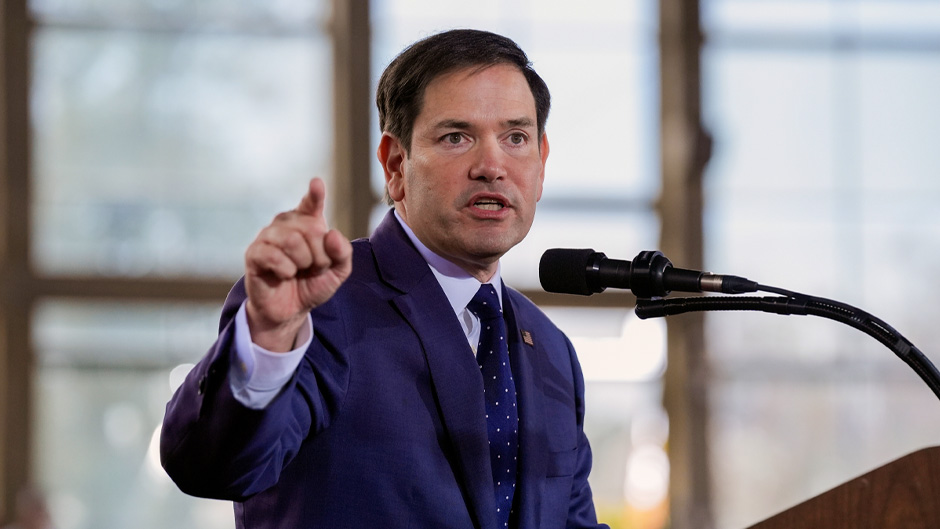
Secretary of State Marco Rubio, a steadfast voice against radical Islamism and leftist regimes, has rightly highlighted the broader danger of such alignments. Iran’s regime—run by what Rubio has called “religious fanatic lunatics”—seeks not just regional dominance but global reach, including through Hezbollah’s networks in Latin America. Brazil’s multipolar foreign policy, which prioritizes non-alignment and partnerships with anti-Western powers, effectively enables Iran’s resilience against sanctions and military pressure. This is particularly troubling in the Western Hemisphere, where Iran has historically exploited leftist governments to expand influence, launder money, and potentially support terrorism.
The timing could not be worse. As U.S. forces deliver the hardest blows yet to Iran’s missile capabilities and command structures, Brazil’s stance undermines the coalition effort and signals weakness to our enemies. Lula’s administration appears more concerned with ideological solidarity than with the security of democracies or the safety of its own people. By siding with a regime that sponsors terrorism and threatens nuclear proliferation, Brazil risks isolating itself from its traditional allies and inviting scrutiny from Washington.
Conservatives in the United States and Brazil understand the stakes. Jair Bolsonaro’s supporters, who have long warned of Lula’s drift toward authoritarian alliances, see this Iran embrace as further proof of a government out of touch with freedom-loving Brazilians. The American people, through their elected leaders like Rubio and President Trump, demand accountability. Nations that stand with terrorists and tyrants cannot expect the benefits of partnership with the free world.
The message must be unequivocal: Brazil’s cozy relationship with Iran is not neutral diplomacy—it’s a strategic miscalculation that empowers our enemies and weakens hemispheric security. As the fight against the Iranian threat intensifies, Washington should make clear that alliances with rogue regimes come at a steep cost. Freedom and strength in the Americas require rejecting such dangerous entanglements, not enabling them.


