

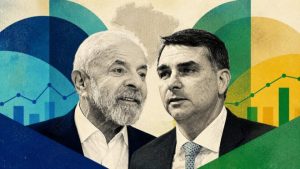



Brazil’s Debt Explosion: Lula’s Third Term Leaves a Fiscal Wreck
By Hotspotnews
Brazil is staring at a public debt mountain that has now climbed past R$10 trillion. As of mid-2026 the broad measure of general government gross debt stands near R$10.8 trillion—roughly 82 percent of GDP. When Luiz Inácio Lula da Silva returned to the Planalto in January 2023 the same ratio was 71.7 percent. In a little over three and a half years the country has added more than ten percentage points of debt relative to the size of its economy. That is not prudent stewardship. It is fiscal recklessness dressed up as social progress.
The numbers are not abstract. Every additional real of debt must eventually be serviced. With the Selic still high, interest payments alone devour a punishing share of the budget—money that cannot go to infrastructure, education reform, or tax relief for the productive class. High debt keeps interest rates elevated longer, squeezes private investment, and leaves the country more vulnerable to the next external shock. Markets notice. Risk premiums rise. Future borrowing becomes more expensive. Ordinary Brazilians pay the price through slower growth and fewer opportunities.
What produced this trajectory? Persistent primary deficits or wafer-thin results, aggressive expansion of mandatory spending, and a political preference for distributing benefits in an election year rather than confronting the arithmetic of sustainability. Programs and subsidies multiply; the hard work of restraining expenditure growth does not. The result is a government that borrows to paper over structural imbalances while claiming moral high ground. Conservative principles reject this approach. Sound public finance requires living within means, prioritizing long-term solvency over short-term popularity, and recognizing that tomorrow’s taxpayers will inherit today’s excesses.
History offers no comfort. Nominal debt stocks have reached records under the current administration. The ratio to GDP is the highest in years and climbing toward levels last seen in the depths of the pandemic. Projections from official and independent sources point to further increases before any stabilization. A country that once prided itself on emerging-market discipline now risks sliding into a familiar Latin American pattern: high debt, high interest costs, and eventual pressure for inflationary or confiscatory solutions.
None of this is inevitable. Fiscal rules that are actually enforced, realistic primary targets, restraint on mandatory spending, and a genuine commitment to growth-enhancing reforms can reverse the trend. What cannot reverse it is more of the same: expanding the state, demonizing markets, and treating debt as a secondary concern. Conservatives understand that prosperity is built on responsibility, not on the illusion that government can forever spend more than it collects without consequence.
Lula’s third term is on course to leave Brazil with a heavier debt burden and weaker fiscal foundations than it found. That is not progress. It is a bill that future generations will be forced to pay.


