


Brazil’s Diplomatic Isolation: The Shameful Legacy of Lula’s Communist Agenda
By Hotspotnews
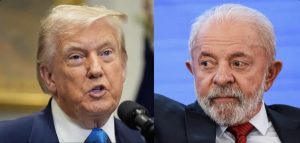
In a stunning display of geopolitical realignment, Brazil finds itself on the outside looking in as U.S. President Donald Trump hosts a pivotal summit in Miami on March 7, 2026. Dubbed by some as the “Shield of the Americas,” this gathering unites leaders from 13 Latin American nations to forge a united front against the encroaching influence of Communist China in the region. Yet, under the stewardship of President Luiz Inácio Lula da Silva—an avowed leftist with deep ties to socialist ideologies—Brazil has been deliberately snubbed, relegated to the sidelines like a pariah state. This exclusion is not just a diplomatic slight; it’s a national humiliation, a direct consequence of Lula’s ignorant embrace of policies that prioritize ideological alliances over Brazil’s sovereignty and prosperity.
The summit’s guest list reads like a who’s who of forward-thinking, conservative-led governments committed to free markets, security, and American partnership. Argentina’s Javier Milei, El Salvador’s Nayib Bukele, and Ecuador’s Daniel Noboa headline the roster, joined by representatives from Paraguay, Honduras, Bolivia, Chile, Costa Rica, Panama, the Dominican Republic, and others. These nations, many of which have shifted rightward in recent elections, are poised to collaborate on critical issues: countering Chinese dominance in strategic resources like lithium and energy, combating narcotics and gang violence, and stemming illegal migration. It’s a coalition of the willing, designed to bolster regional stability and economic growth in alignment with U.S. interests.
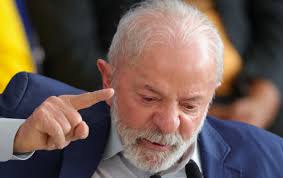
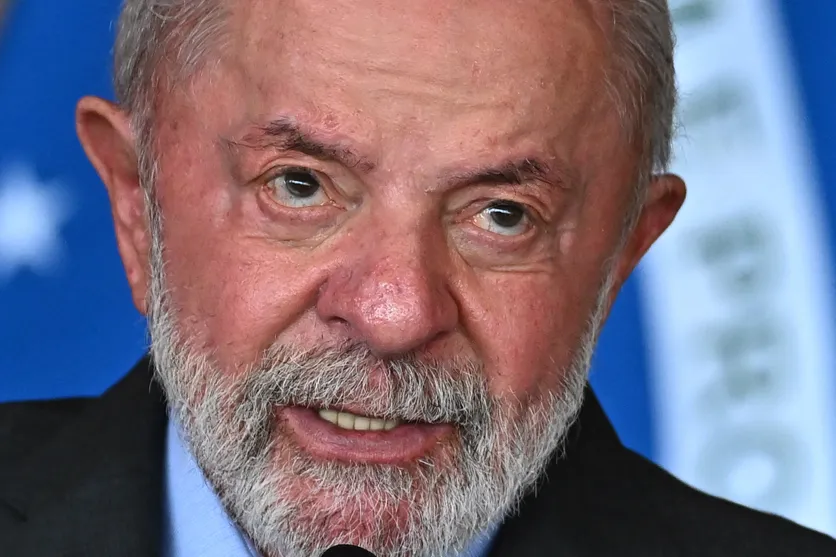
Contrast this with Brazil’s absence, alongside other left-leaning holdouts like Colombia under Gustavo Petro and Mexico under Claudia Sheinbaum. Why the cold shoulder? Lula’s administration has made no secret of its disdain for Trump’s America-First policies. From cozying up to Beijing through massive trade deals that undercut Brazilian industries, to equivocating on Venezuela’s Maduro regime and even taking controversial stances on international conflicts like Gaza, Lula has alienated key allies. His foreign policy reeks of outdated communist dogma—prioritizing globalist forums and anti-Western rhetoric over pragmatic partnerships that could elevate Brazil’s standing. Remember, this is the same leader who, upon his return to power, has overseen economic stagnation, rising inflation, and a judiciary increasingly weaponized against political opponents. Is it any wonder that Trump, ever the shrewd dealmaker, opts to invest in reliable partners rather than a regime that flirts with authoritarianism under the guise of “progressivism”?
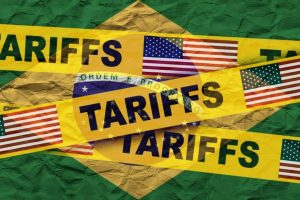
This snub underscores a broader tragedy: Brazil, once a powerhouse in Latin America and a beacon of emerging-market potential under leaders like Jair Bolsonaro, is now isolated and diminished. Bolsonaro’s tenure saw strengthened U.S.-Brazil ties, with joint efforts on trade, security, and environmental stewardship that respected national interests. Under Lula, however, we’ve witnessed a reversal—a slide toward dependency on China, where Brazilian resources are exploited for pennies while our workers suffer. The Miami summit could have been a golden opportunity for Brazil to reclaim its role as a regional leader, negotiating favorable terms on everything from tariffs to infrastructure. Instead, we’re left watching from afar, our influence eroded by a leader whose communist leanings blind him to the realities of a multipolar world.
The shame of this moment should resonate with every Brazilian patriot. It’s a wake-up call that electing ideologues over pragmatists comes at a steep price. As the summit unfolds, let’s hope it inspires a resurgence of conservative values in Brazil—values that prioritize freedom, security, and sovereignty. Only then can we shed this ignominious isolation and restore our nation’s rightful place on the global stage. The era of Lula’s folly must end before it drags us further into irrelevance.


