




Brazil’s Electronic Voting Logs Show Impossible Voting Clerk Activity: Full Investigation Is Non-Negotiable
By Hotspotnews
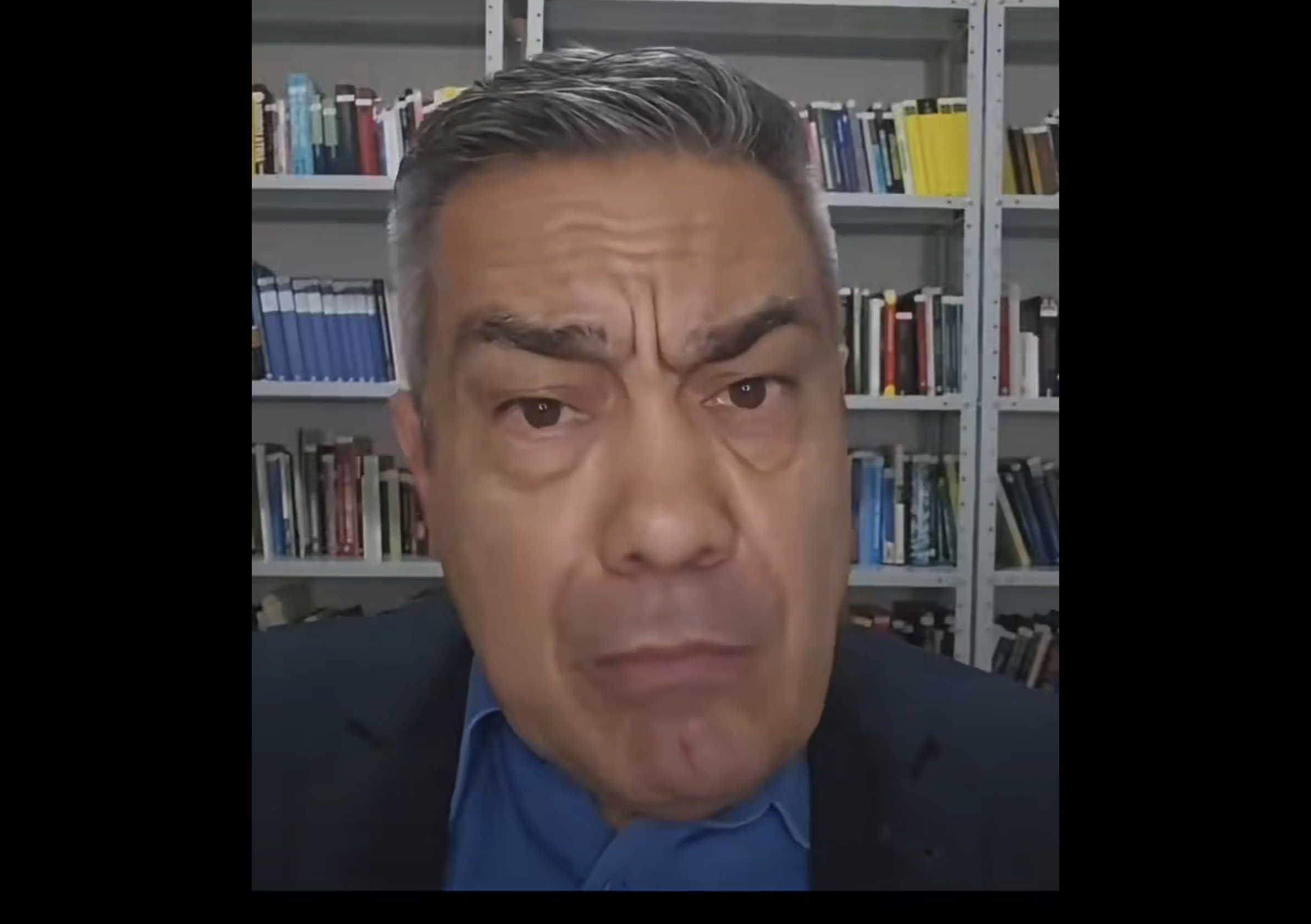
In the weeks after Brazil’s October 2026 presidential runoff, a striking set of claims has emerged from analysis of the public logs of the country’s electronic voting machines (urnas eletrônicas). Prosecutor Felipe Gimenez of Mato Grosso do Sul has presented findings from independent reviews of those logs: the same título eleitoral (electoral title) appears registered as performing mesário (poll-worker) functions in municipalities hundreds of kilometers apart, in intervals of mere seconds. Specific cases cited include Bragança and Rio Maria in Pará—roughly 780 kilometers apart, with interventions two seconds apart; Limeira and São Paulo, about 130 kilometers apart, with a 23-second gap; and, in the second round, Porto Seguro and Casa Nova in Bahia, around 800 kilometers apart with a 22-second interval.
WATCH THE VIDEO
97ca5a9fd9503f5aad8868aa3396c7374dba1873
These are not vague suspicions. They are concrete, time-stamped records drawn from data the Tribunal Superior Eleitoral (TSE) itself makes available. Physically, a single person cannot occupy two distant polling places in that timeframe. The explanations offered by those raising the issue are limited and technical: possible identification errors, software inconsistencies, clock desynchronization, biometric false positives, or unauthorized interventions. Gimenez has framed the matter as one that requires immediate technical answers rather than dismissal. He has long argued that the real issue is not merely whether fraud can be proven after the fact, but whether the system is truly auditable in the first place.
This development arrives against the backdrop of Senator Flávio Bolsonaro’s post-election statements, including an exclusive interview with Fox News. Bolsonaro has maintained that he lost not primarily to Luiz Inácio Lula da Silva but to “the system.” He has described investigations opened in the final days before voting, the seizure of passports minutes after results were announced, and the fundamental design of Brazil’s paperless electronic system, which he and others argue makes genuine independent recounts or voter-verifiable audits effectively impossible. He has acknowledged the absence of conclusive proof of outcome-altering fraud while insisting that barriers to investigation itself are part of the problem. Similar concerns about the lack of a printed individual vote record have been voiced for years by conservative voices seeking greater transparency.
A conservative approach to elections rests on a simple premise: public trust is earned through verifiable processes, not demanded through institutional authority alone. Paperless systems that concentrate critical functions in software, limit external access to raw data, and treat technical questioning as suspect by default create an inherent asymmetry. When anomalies appear in official logs—especially ones that are physically impossible under ordinary conditions—the burden falls on electoral authorities to produce clear, reproducible technical explanations. Isolated hardware or battery issues reported by regional tribunals during the 2026 voting (such as those noted in Mato Grosso do Sul) are routine operational matters; synchronized remote activity under a single electoral title is not.
Democratic legitimacy is not strengthened by equating skepticism with an attack on democracy. It is strengthened when independent experts, opposition parties, and the public can examine the same underlying records that officials use and when discrepancies are resolved in the open. Brazil’s urnas have been defended for decades on the grounds that they never connect to the internet and undergo public testing. Those defenses address certain classes of risk. They do not automatically resolve questions about log integrity, mesário registration consistency, or the absence of a voter-verifiable paper trail of the kind that allowed clearer post-election scrutiny elsewhere.
The prudent response is therefore straightforward: release the relevant raw logs for the cited sections, commission independent technical audits focused on the specific timestamp and identity anomalies, and publish the findings without delay. If the records reflect harmless software quirks or data-entry errors, that can be demonstrated. If they reflect something more serious, the public has a right to know. Conservatives have consistently argued that elections must be both secure and auditable. That principle does not depend on who wins. It requires that claims grounded in public data receive rigorous examination rather than institutional insistence that citizens simply trust the process.
Sources: Presentation and analysis by Prosecutor Felipe Gimenez (Mato Grosso do Sul), as detailed in reporting by Karina Michelin and related commentary by Ludmila Lins Grilo; Flávio Bolsonaro interview with Fox News (November 2026); public electoral logs and regional tribunal operational reports from the October 2026 elections; longstanding TSE statements on urnas security and audit procedures.
#ElectoralIntegrity #BrazilElections2026 #AuditTheVote #UrnasEletronicas #TransparenciaEleitoral #TheSystem #FlavioBolsonaro #FelipeGimenez #ConservativeMovement #VoteAuditability


