



Brazil’s Judicial Tyrant Seeks U.S. Protection from American Free Speech Laws—at Taxpayers’ Expense
By Hotspotnews
In a brazen display of judicial arrogance and transnational overreach, Brazil’s Attorney General’s Office (AGU) is now formally petitioning U.S. federal courts to intervene in a lawsuit brought by Rumble and Trump Media against Supreme Court Justice Alexandre de Moraes. Far from defending abstract notions of “national sovereignty,” this move reveals the leftist establishment’s panic at the prospect of American courts exposing Moraes’ systematic censorship of conservatives, journalists, and ordinary citizens who dare challenge the ruling elite’s narrative. And Brazilian taxpayers are footing the bill for this overseas defense of a tyrant.
Justice Moraes, a holdover from the era of socialist President Luiz Inácio Lula da Silva’s influence, has positioned himself as Brazil’s digital dictator. Operating with near-impunity from the Supreme Federal Court (STF), he has issued sweeping orders compelling American technology platforms to ban, shadowban, and deplatform users whose views offend the Brazilian left. Political opponents, independent media outlets, and critics of government corruption have found their accounts suspended or content removed—not because they violated platform rules, but because Moraes willed it so. This is not justice; it is lawfare dressed up in robes.
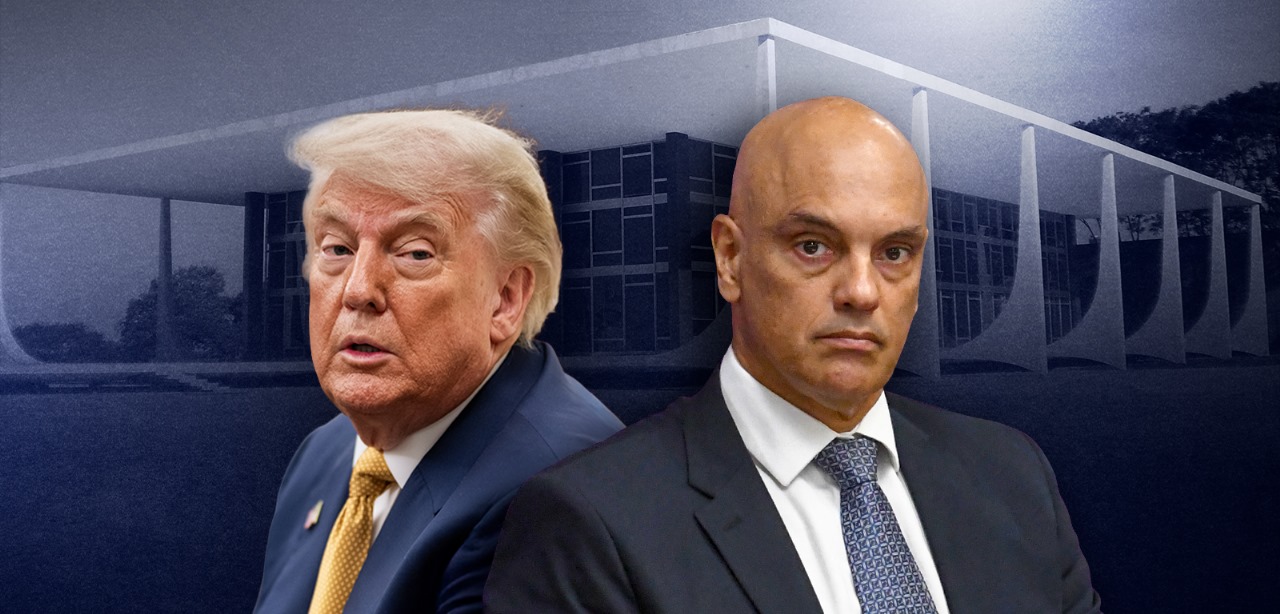
Rumble, the video platform that has emerged as a genuine alternative to Big Tech censorship, and Trump Media, the company behind Truth Social, have rightly taken the fight to American soil. Their lawsuit argues that Moraes’ extraterritorial demands violate the First Amendment protections that are the bedrock of American liberty. U.S.-based companies and users should not be forced to kneel before a foreign judge who treats the Constitution as optional. By seeking U.S. court intervention to block enforcement of these orders, the plaintiffs are standing up for free speech not just for Americans, but for Brazilians silenced by their own judiciary.
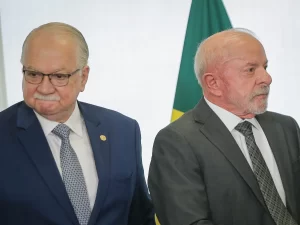
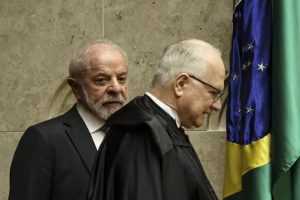
The Brazilian government’s response? Authorize the AGU—funded entirely by Brazilian taxpayers—to intervene on Moraes’ behalf and potentially hire high-priced American law firms to do the dirty work. STF President Edson Fachin greenlit the action, framing it as a defense of “judicial independence” and national sovereignty. Conservative observers in Brazil see it for what it is: an attempt to shield one of their own from accountability while using public money to prop up authoritarian control. Why should Brazilian citizens foot the bill so that a Supreme Court justice can continue exporting his censorship regime to Silicon Valley and beyond?
This episode exposes the hypocrisy of the globalist left. When it suits them, “national sovereignty” is sacrosanct—especially when it means insulating leftist judges from criticism or scrutiny. Yet the same voices cheer when international bodies or foreign courts pressure conservative governments on issues like climate, migration, or speech. Here, sovereignty is conveniently invoked to justify suppressing dissent. Moraes’ orders don’t merely target Brazilians; they reach into the United States, compelling American companies to act as enforcers for a foreign ideological agenda. That is a direct assault on American sovereignty and the rights of U.S. persons.
Estimates for the cost of this defense underscore the outrage. Top U.S. law firms in Florida, where the case is being heard, charge $300 to $600 per hour for experienced attorneys, with elite “big law” partners demanding $1,000 or more. Complex international litigation of this nature—spanning motions, briefs, hearings, and potential appeals—can easily run into the millions of dollars. All of it ultimately borne by Brazilian taxpayers through the AGU’s budget, an arm of the federal government. This isn’t defending the “State”; it’s subsidizing one man’s power trip with public funds while ordinary Brazilians struggle with inflation, crime, and economic hardship.
From a conservative standpoint, the stakes could not be clearer. Free speech is not a luxury; it is the foundation of self-government and the antidote to tyranny. Brazil’s flirtation with judicial authoritarianism mirrors troubling trends worldwide: elites weaponizing institutions to silence populist movements. The election of Jair Bolsonaro represented a rejection of this very establishment. The left’s response—lawfare, censorship, and now international legal maneuvering at taxpayer expense—demonstrates their contempt for democratic outcomes when the “wrong” side wins.
Rumble’s emergence as a platform committed to open discourse has already disrupted the left’s monopoly on information flow. Trump Media, born from the unprecedented Big Tech deplatforming of a sitting U.S. President, embodies resistance to elite control. Their joint lawsuit is more than a corporate dispute; it is a defense of Western values against creeping totalitarianism. American courts should welcome the opportunity to affirm that foreign judges cannot dictate terms to U.S. companies on core constitutional matters—especially when foreign governments demand taxpayer-funded representation to fight those principles abroad.
Critics on the Brazilian left will decry this as “interference” in their affairs. But when Moraes demands that American platforms police Brazilian speech according to his whims, the interference flows in only one direction—and now they’re asking Americans to let them argue their case in U.S. courts on Brazil’s dime. Conservatives have long warned that Big Tech collusion with governments threatens liberty. This case proves the point in dramatic fashion: a single foreign justice attempting to nullify First Amendment protections for millions, with public money propping up his defense.
The involvement of the AGU raises serious questions about separation of powers and the proper role of government. Is the Brazilian state truly acting to protect its institutions, or is it defending the personal power of an activist judge? Taxpayer-funded legal intervention on behalf of one man smacks of cronyism, not constitutionalism. True judicial independence does not mean immunity from scrutiny when that judge behaves like an unelected censor-in-chief—or the right to bill citizens for defending his excesses overseas.
As this case unfolds in U.S. federal court, Americans should pay close attention. It is a test of whether the United States will defend its own principles against foreign encroachment or bend to the demands of an increasingly authoritarian ally. Conservatives understand that sovereignty cuts both ways: Brazil has every right to manage its internal affairs, but not to export repression to American soil—or expect American courts to indulge their defense without consequence.
In standing firm against Moraes’ overreach, Rumble and Trump Media are fighting for the kind of digital freedom that every free society requires. Brazil’s attempt to thwart them in American courts, bankrolled by its own struggling taxpayers, only underscores how fragile their grip on power has become—and how desperately they fear the light of open debate. The outcome will reverberate far beyond the courtroom, signaling whether the forces of censorship or the defenders of liberty hold the upper hand in the information age.


