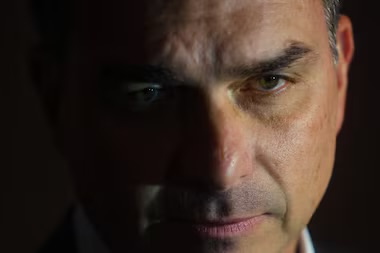
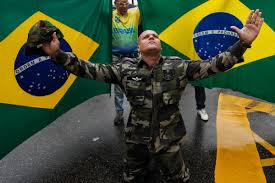



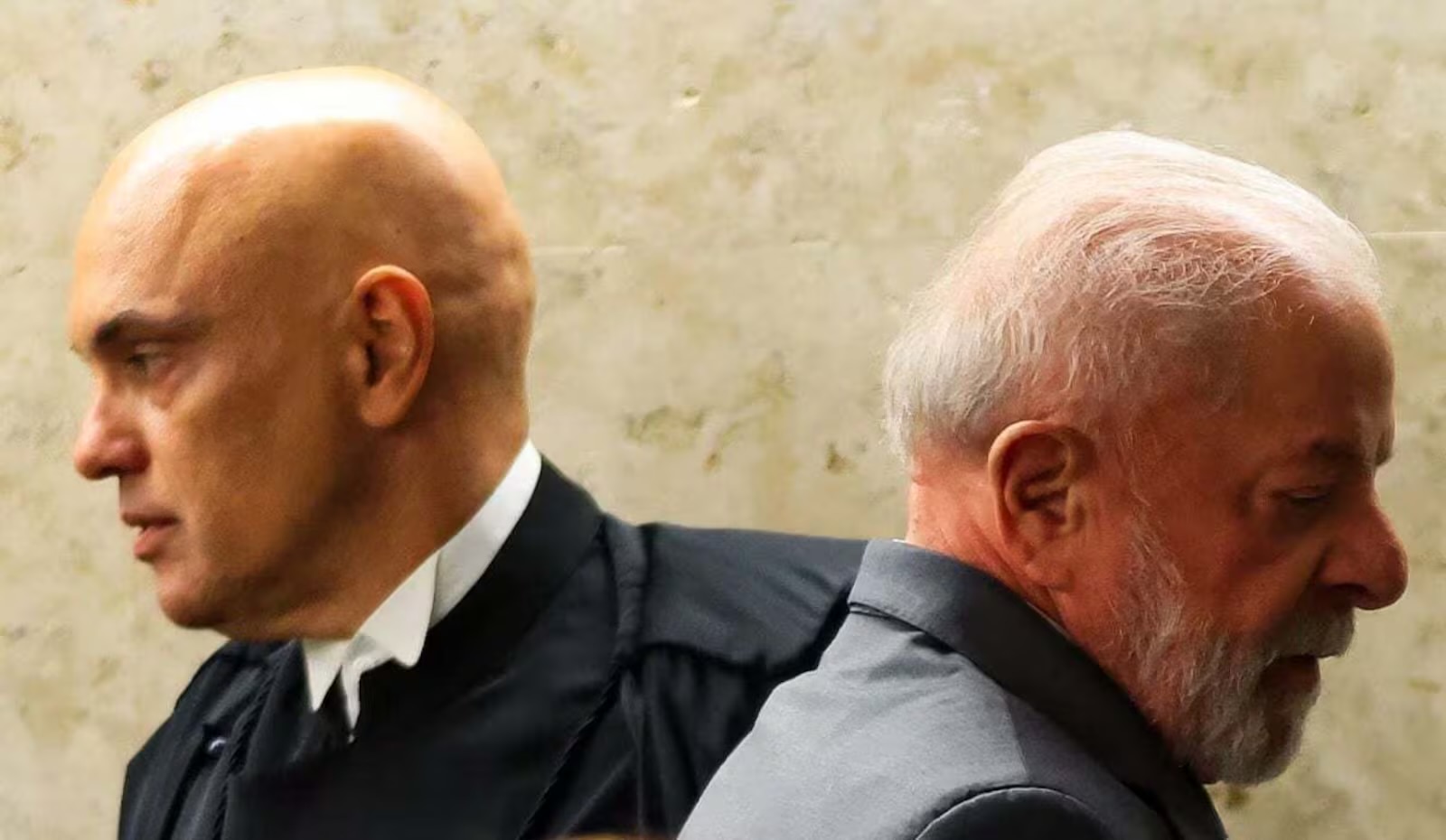
“While Jair Bolsonaro fights for his life in an ICU bed, Lula mocks his suffering and Alexandre de Moraes tightens the noose on Brazilian freedom. This is no longer politics—it’s persecution. Read the full piece: Brazil’s Slow-Motion Tragedy: The Persecution of a Patriot While a Tyrant Judge Reigns Supreme. 🇧🇷 The soul of a nation hangs in the balance.”
Brazil’s Slow-Motion Tragedy: The Persecution of a Patriot While a Tyrant Judge Reigns Supreme
By Hotspotnews
The images coming out of Brasília this week are heartbreaking. Jair Bolsonaro, once the unbreakable voice of millions of Brazilians who refused to surrender their country to socialism, now lies in an ICU fighting bacterial pneumonia. High fever, low oxygen, breathing tubes—after years of political imprisonment, a head injury in prison, and a body worn down by the very system that was supposed to protect him. This is not a natural illness; it is the visible symptom of something far more sinister: a nation that has allowed cruelty to be crowned king.
While Bolsonaro battles for his life in a hospital bed, President Luiz Inácio Lula da Silva chose the same moment to vomit venom. Instead of offering basic human decency to a fellow Brazilian in critical condition, Lula spent his time blocking a senior American adviser from visiting the former president and sneering about “that American guy” who dared to show solidarity. This is not leadership. This is the behavior of a petty caudillo who knows his power rests on vengeance, not vision. Lula’s Brazil is not governing; it is settling scores.
And at the rotten core of this vendetta sits Alexandre de Moraes—the Supreme Court justice who has become the de facto ruler of Brazil. Operating with the full blessing of the Lula administration, Moraes has turned the judiciary into a weapon of terror. He has ordered social media bans, frozen bank accounts, revoked passports, and thrown journalists and ordinary citizens into prison without trial. He has presided over the show trial that sentenced Bolsonaro to 27 years for a “coup” that never happened. While real crime surges in the favelas and honest Brazilians struggle to feed their families, Moraes obsesses over silencing anyone who dares to question the official narrative.
This is not justice. This is tyranny wearing a black robe.
Conservatives around the world have watched in horror as Brazil’s institutions were captured. The same Supreme Court that once promised to defend the Constitution now acts as Lula’s personal enforcement arm. Moraes has become the face of everything wrong with “judicial activism” taken to its logical, authoritarian extreme. He decides what Brazilians can read, what they can say, and who can run for office. He has even reached across borders to punish foreigners who criticize him. When the United States briefly sanctioned him under the Global Magnitsky Act for human rights abuses, the message was clear: even Washington recognized that one man was strangling Brazilian democracy. That those sanctions were later quietly lifted in a diplomatic bargain changes nothing about the underlying reality—Moraes still sits on the bench, still issues orders, still spreads fear.
Meanwhile, the real crises facing Brazil are ignored. Corruption scandals continue to swirl around state-owned companies. Violent crime remains a daily terror for working families. Public spending spirals out of control, inflation nibbles away at savings, and the admiration class in Brasília parties on while the country burns. Lula’s government lectures the world about “democracy” while locking up its strongest political opponent and letting a single judge play God with the Constitution.
Bolsonaro’s supporters are not extremists. They are the millions of Brazilians—small business owners, evangelical families, rural producers, and patriotic youth—who remember when Brazil stood tall with lower taxes, safer streets, and a president who actually loved his country more than his own power. They see through the farce: a 27-year sentence for a man whose only real crime was winning an election the establishment could not accept. They watch their former leader deteriorate in prison and wonder how much longer this national humiliation can continue.
Brazil stands at a crossroads, but it is not the one the mainstream media describes. The choice is not between “democracy” and “authoritarianism.” It is between the rule of law and the rule of men—specifically one man in a Supreme Court chair who answers to no one. The cruelty being inflicted on Jair Bolsonaro is not an isolated tragedy; it is the warning siren for every Brazilian who still believes in God, family, and country. If the nation allows this persecution to stand, if it normalizes the spectacle of a former president fighting for breath while his enemies toast their victory, then the soul of Brazil will have been sold.
The Brazilian people have proven resilient before. They rejected the Workers’ Party project once in 2018. They can do it again. But resilience requires courage—courage to call tyranny by its name, courage to defend the prisoner in the ICU, courage to demand that Alexandre de Moraes be held accountable like any other citizen.
Jair Bolsonaro may be weakened physically, but the ideas he represents—freedom, sovereignty, and moral clarity—remain stronger than any court order or any vengeful president. The real question for Brazil in 2026 is not whether Bolsonaro will survive his illness. It is whether Brazil will survive the moral sickness that put him there in the first place.