




Brazil’s Traditional Media helped deepen the Erosion of Constitutional Order
By Hotspotnews
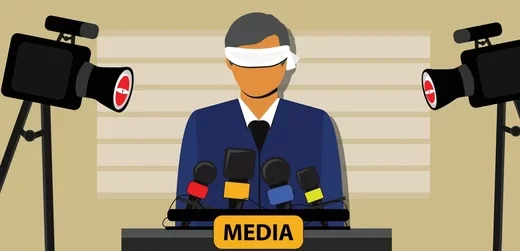
For years, a significant segment of Brazil’s traditional press has operated under the illusion that aligning with unchecked judicial power would shield it from the very forces it helped unleash. The recent revelations surrounding the Banco Master affair, involving suspicions of high-level influence peddling and potential conflicts of interest at the highest levels of the judiciary, have finally forced some in the mainstream media to confront the consequences of their long-standing silence and selective outrage. Yet this awakening comes far too late—and only after the machinery of institutional overreach began turning against those who once cheered it on.
The turning point traces back to 2019, when the Supreme Federal Court (STF) launched Inquérito 4781, the so-called “fake news” inquiry. Opened unilaterally by then-president of the Court Dias Toffoli and later conducted under the stewardship of Justice Alexandre de Moraes, this proceeding deviated sharply from constitutional norms. It bypassed standard prosecutorial initiation, operated largely in secrecy, and targeted political opponents—predominantly voices from the conservative and patriotic right—under the banner of defending democracy. What followed was an unprecedented wave of prior restraint: account suspensions, content removals, arrests, and the systematic silencing of independent journalists, influencers, and ordinary citizens who dared to criticize the Court or its actions.
Traditional media outlets, rather than sounding the alarm over these grave departures from due process and free speech protections, largely endorsed the endeavor. Many framed the inquiry as a necessary bulwark against “disinformation” and “threats to democracy,” conveniently overlooking that the targets were almost exclusively from the ideological opposition to the prevailing leftist establishment. The narrative was seductive: social media platforms had eroded the gatekeeping monopoly long enjoyed by major newspapers and broadcasters. Emerging conservative voices, unfiltered by editorial boards, were gaining audiences and influence. In this competitive landscape, the prospect of state intervention to hobble digital rivals proved appealing.
Ideological affinity played a role as well. A substantial portion of Brazil’s journalistic class leans leftward, viewing the Bolsonaro era and its supporters as existential threats to progressive values and institutional stability. Even centrist or nominally neutral owners and editors often regarded the right as vulgar, disruptive, and unworthy of the same protections afforded to establishment voices. Thus, when constitutional guarantees were bent or ignored—search and seizure operations without proper warrants, indefinite secrecy, punishment for mere expression—the mainstream press remained largely mute or actively supportive. Abuses were downplayed as exceptional measures in defense of the Republic; critics were dismissed as radicals or conspiracy theorists.
This tacit alliance between legacy media and an increasingly activist judiciary created a dangerous precedent. When one power is permitted to act without restraint, it learns that restraint is optional. The STF, emboldened by years of acquiescence, expanded its reach: monitoring private communications, dictating platform policies, and punishing perceived disloyalty with little regard for separation of powers or individual rights.
Now, the chickens have come home to roost. The Banco Master scandal—centered on alleged financial irregularities, offshore maneuvers, and troubling connections to political and judicial figures—has placed under scrutiny the very ministers who once wielded unchecked authority. Investigations have revealed potential conflicts involving Justice Toffoli and others, raising questions about impartiality, personal enrichment, and the use of public office for private gain. Suddenly, segments of the press that long ignored or justified similar overreach now express indignation. Reports proliferate, editorials demand accountability, and the narrative shifts toward institutional crisis.
The irony is stark. The same institutions and practices that conservatives warned would eventually ensnare everyone—regardless of ideology—are now being turned toward those who helped build them. A judiciary accustomed to operating without meaningful checks does not discriminate in its excesses. What was once rationalized as protection against “extremism” reveals itself as structural authoritarianism, indifferent to the identity of its targets.
Conservatives have long maintained that true democracy rests on fidelity to the Constitution, not on selective enforcement by self-appointed guardians. The Inquérito 4781 was never about combating lies; it was about consolidating power and punishing dissent. The mainstream media’s complicity in that project—driven by market fears, ideological bias, and short-sighted convenience—contributed directly to the weakening of democratic safeguards.
The lesson is clear and unforgiving: when guardians of liberty abandon principle for expediency, they invite the destruction of liberty itself. The traditional press may now decry the monster it helped nurture, but the damage is done. Restoring constitutional order demands not belated outrage, but a renewed commitment to impartial justice, free expression, and the separation of powers that once defined Brazil’s republic. Anything less ensures that the cycle of abuse will continue—only with different victims.


