




By Laiz Rodrigues
hotspotnews
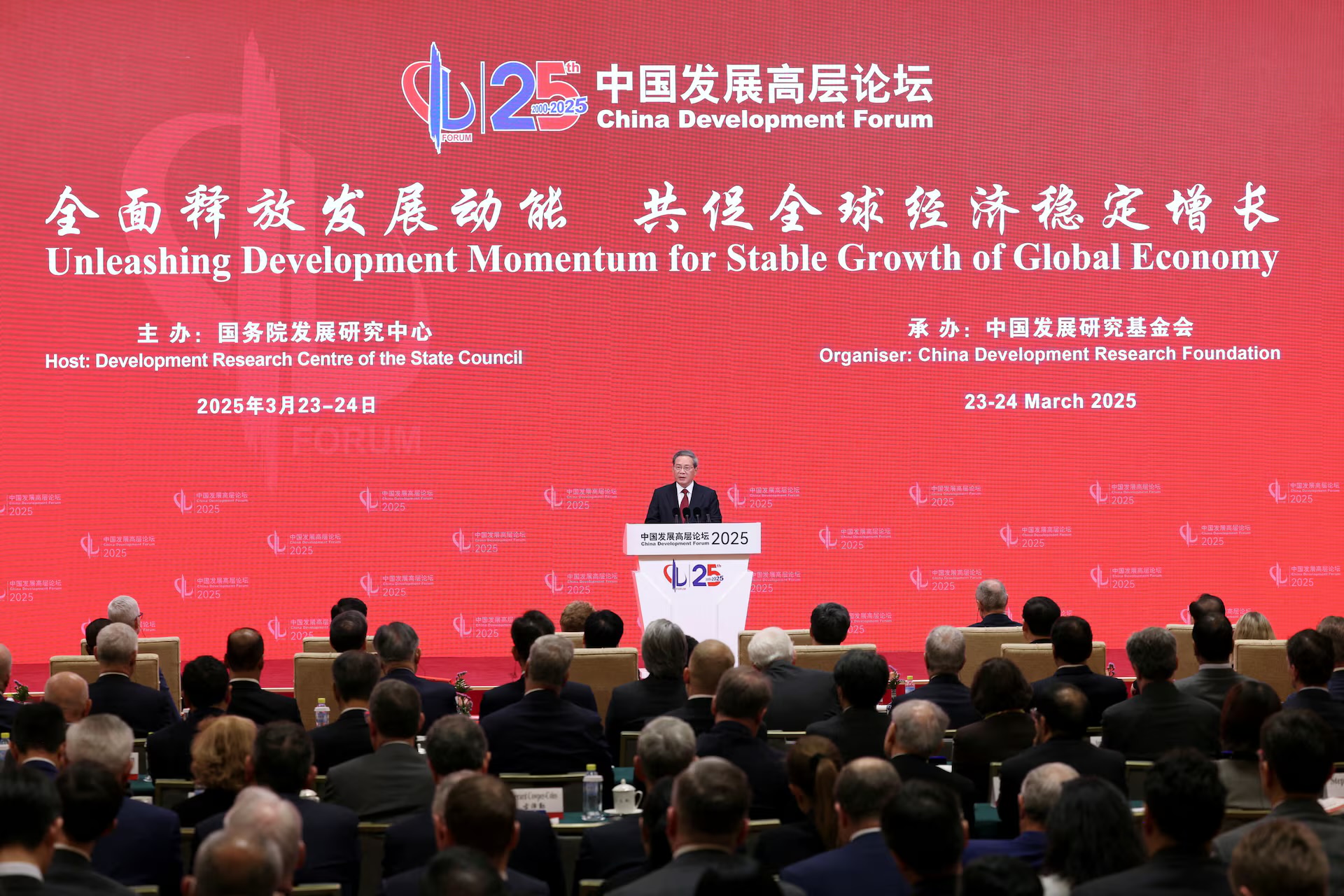
From a conservative perspective, China’s outreach to American companies like Apple and Pfizer can be seen as a calculated move by a communist regime to bolster its own economy while subtly undermining U.S. interests.

The Chinese government, under its authoritarian system, isn’t exactly a fan of free markets or individual liberty—principles conservatives hold dear. Instead, they’re likely dangling the carrot of business potential—cheap labor, a massive consumer base, and lax regulations—to lure these companies into deeper partnerships.
The pitch is simple: “Come set up shop here, make more profit, and don’t worry about the red tape.” For a company like Apple, that could mean more iPhones churned out at lower costs. For Pfizer, it’s access to a huge market for drugs and maybe even a chance to skirt some of the FDA’s stricter oversight. China’s not doing this out of generosity—it’s a power play. They want American capital and know-how flowing into their system, strengthening their global position while keeping a tight grip on their own people.
Conservatives might argue this is a slippery slope. These companies, chasing short-term gains, could end up too cozy with a government that’s hostile to American values—think intellectual property theft, forced tech transfers, or even propping up a regime that clashes with U.S. security interests.
It’s not about isolationism; it’s about recognizing that doing business with China often means playing by their rules, not ours. The question is whether the profit is worth the cost to national sovereignty and economic independence.
Photos by Reuters


