



Updated Conservative Analysis of Mary Anastasia O’Grady’s “A Supreme Court Coup d’Etat in Brazil” (WSJ, August 10, 2025)
By Hotspotnews
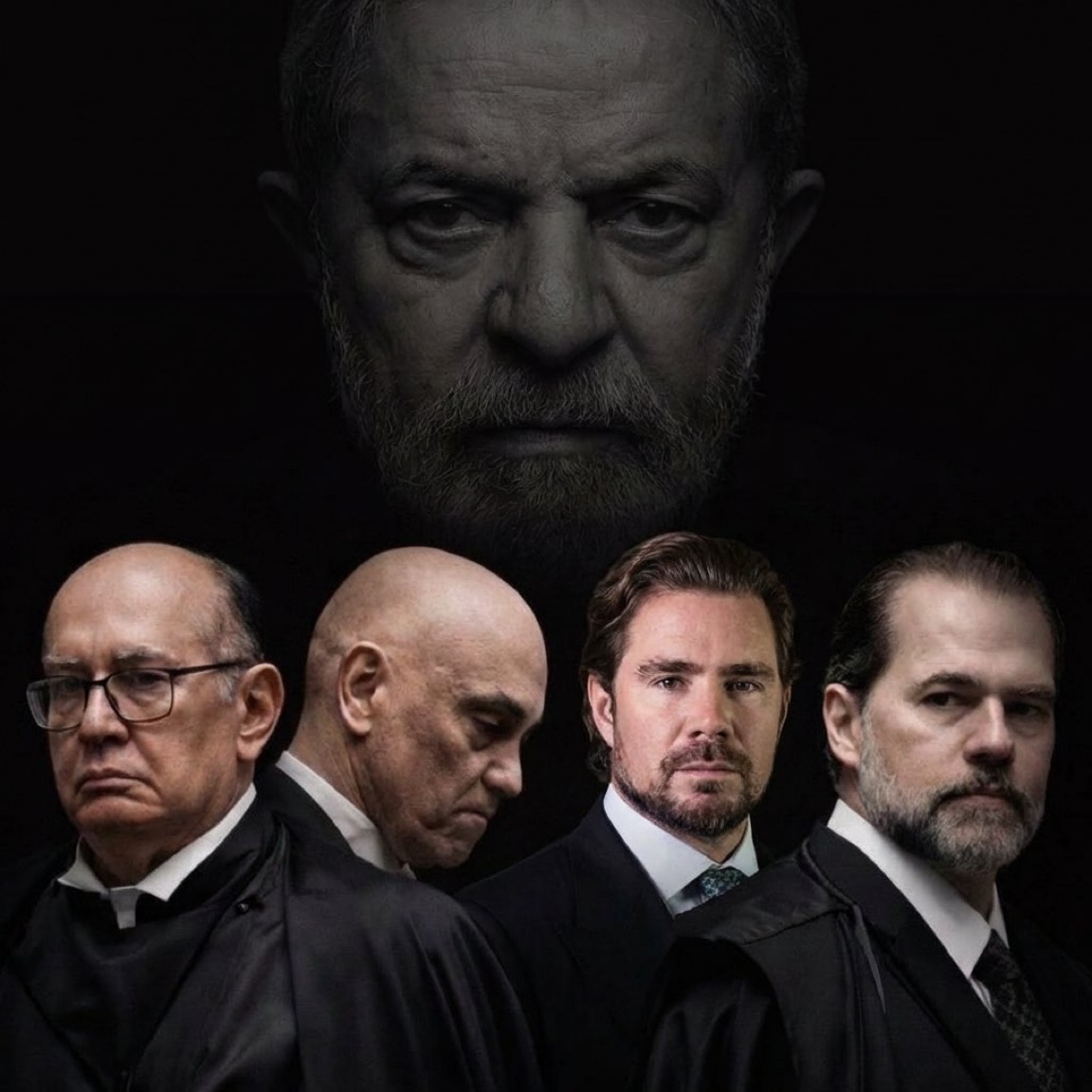
Mary Anastasia O’Grady’s August 2025 column stands as one of the clearest warnings about institutional erosion in Latin America. She described how Supreme Federal Court (STF) Justice Alexandre de Moraes was consolidating power through censorship, selective prosecutions, and bypassing political checks — a “slow-motion coup” that weaponizes democratic institutions against center-right opposition. From a conservative standpoint emphasizing limited government, separation of powers, due process, and free speech, the developments over the past 10 months (through early June 2026) have not only validated her thesis but accelerated it.
Bolsonaro’s Conviction and Imprisonment: The Culmination of Lawfare
In September 2025, the STF convicted former President Jair Bolsonaro of plotting a coup, sentencing him to 27 years and 3 months in prison. He began serving the sentence in November 2025. This was precisely the outcome O’Grady anticipated: a politicized judiciary neutralizing a leading opposition figure through expedited, high-profile proceedings that many conservatives view as selective justice rather than impartial rule of law.
Subsequent events underscore the pattern:
- In March 2026, Moraes granted Bolsonaro temporary humanitarian house arrest for health reasons (bronchopneumonia), initially for 90 days. Conditions remain restrictive, with periodic reviews.
- Congress passed legislation in late 2025/early 2026 that could have dramatically reduced the sentence (potentially allowing release as early as 2028). After Lula’s veto and congressional override, Moraes suspended the law’s implementation in May 2026, pending full STF review on constitutionality. This single-justice intervention effectively blocked legislative relief and highlights the judiciary’s dominance over elected branches.
Conservatives see this as classic lawfare: using legal processes to achieve political ends that could not be won at the ballot box. It inverts the presumption of innocence, stretches conspiracy statutes, and prioritizes narrative control over procedural fairness.
Persistent Judicial Overreach and Censorship
O’Grady’s core concern — unchecked power in the hands of one justice — has intensified. Moraes continues to issue sweeping decisions on censorship, account suspensions, and investigations targeting critics, pastors, and center-right voices. The STF has expanded platform liability rules, imposing proactive moderation duties that conservatives argue chill speech and favor government-aligned viewpoints. No meaningful impeachment or reform has curbed these powers. Senate efforts remain stalled, leaving Moraes largely unaccountable.
This aligns with longstanding conservative warnings about “imperial judiciaries” that act as super-legislatures, prosecutors, and enforcers simultaneously.
U.S. Policy Shifts and International Dimensions
The Trump administration initially responded forcefully with sanctions on Moraes, visa restrictions, and trade pressure tied to the Bolsonaro case — measures rooted in defending free speech and opposing politicized justice. These were later lifted in December 2025 amid shifting diplomatic calculations and prospects for sentence relief.
While conservatives may debate the tactical wisdom of lifting sanctions, the underlying principle holds: democratic allies should not normalize judicial authoritarianism. Brazil’s trajectory risks further alienating pro-liberty partners and echoes broader regional patterns where leftist governments tolerate (or encourage) institutional capture.
Why This Endures as a Conservative Cautionary Tale
O’Grady warned of a gradual institutional takeover disguised as “defending democracy.” Ten months later:
- The opposition’s most prominent leader remains sidelined under judicial oversight.
- Legislative attempts at balance are thwarted by the judiciary.
- Free speech constraints and selective enforcement persist ahead of the 2026 elections.
This is not abstract theory. It demonstrates the fragility of republics when unelected actors accumulate power without robust checks. Conservatives prioritize constitutional fidelity, electoral accountability, and skepticism of concentrated authority — values directly undermined here. Without congressional pushback, judicial reform, or electoral shifts in 2026, Brazil risks entrenching a managed democracy where “rule of law” becomes a tool for perpetuating power rather than safeguarding liberty.
O’Grady’s piece was a timely alarm. The facts since publication suggest the alarm was not heeded aggressively enough. The fight for Brazil’s constitutional republic continues — one that demands restoring balance among branches, protecting dissent, and rejecting the soft despotism of the robe.


