

Uneven Scales: Contrasting Judicial and Institutional Treatment in Brazil’s Political Scandals
By Hotspotnews
Brazil’s justice system and federal police have faced repeated accusations of selective intensity when pursuing cases involving political opponents versus figures connected to the current governing coalition. The Banco Master scandal and comparisons between the imprisonments of Jair Bolsonaro and Luiz Inácio Lula da Silva illustrate the pattern most clearly.
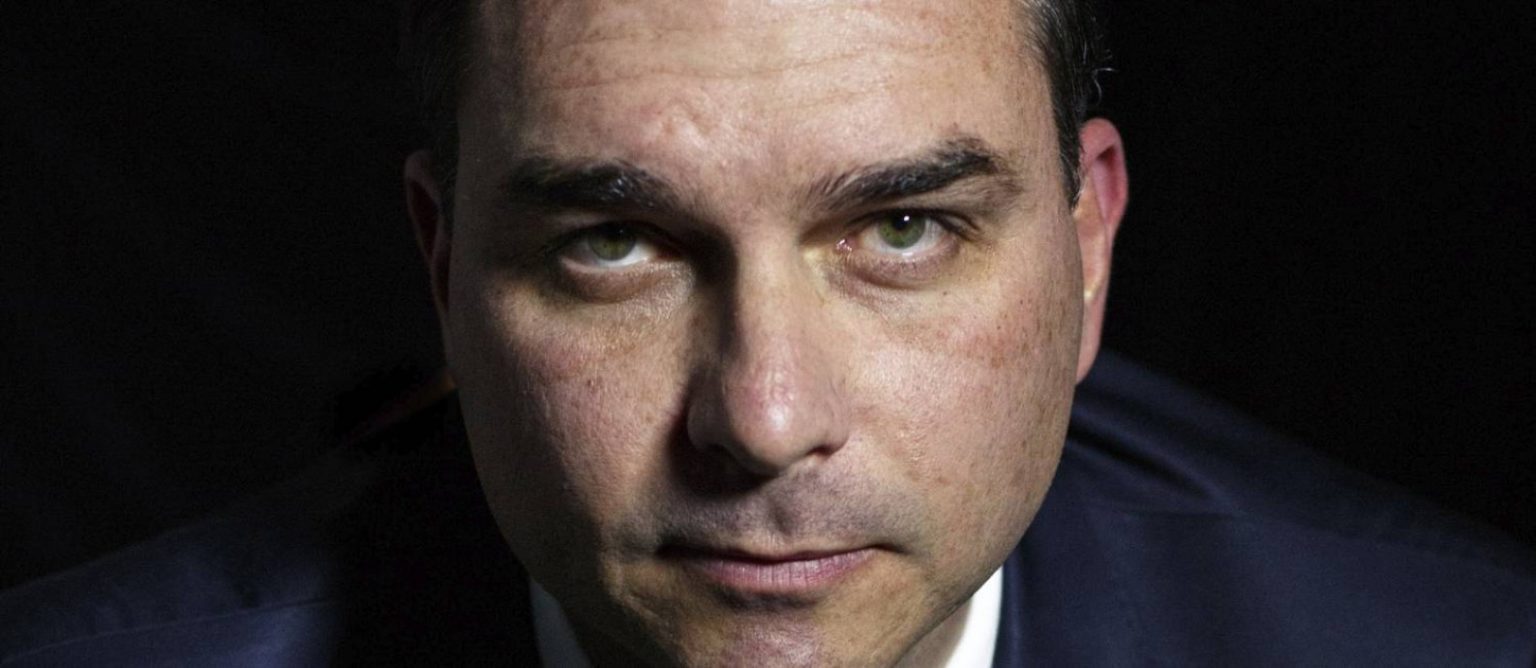
In the Banco Master investigation, Federal Police Director-General Andrei Rodrigues has led probes into frauds that implicated Daniel Vorcaro and touched multiple political figures. Yet reporting has documented that Rodrigues’s partner, Renata Varandas, received substantial payments from Ambipar—an entity linked to Vorcaro’s network—and that messages extracted from Vorcaro’s phone show discussions of F1 tickets for Rodrigues’s children and interest in placing Varandas’s law firm as a sponsor of a Banco Master event in London. Investigations into Flávio Bolsonaro’s documented negotiations with Vorcaro over roughly R$134 million for the film Dark Horse, along with his status as “master user” on related accounts, remain active; the PF has sought extensions and the PGR has supported continued inquiry into possible money laundering and related offenses. No comparable public restrictions or personal conflict-of-interest inquiries of equivalent visibility have been reported against Rodrigues or his family despite the overlapping timelines.
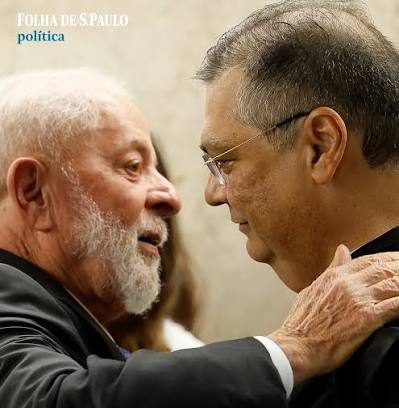
Parallel contrasts appear in detention conditions. While Lula, imprisoned in 2018 after a second-instance Lava Jato conviction, received repeated political visits (including by party leaders registered as lawyers) and maintained active communication that allowed campaign coordination, Supreme Court Justice Alexandre de Moraes has imposed tighter limits on visits and external contact for Bolsonaro in house arrest. Analysts and reporting have noted that Lula operated effectively as a political center from federal police facilities, whereas Bolsonaro faces restrictions framed as necessary to prevent interference with ongoing proceedings. Bolsonaro’s case was concentrated from the outset at the STF under a single justice, whereas Lula’s progressed through multiple instances before eventual annulment on procedural grounds.
Supporters of the current approach argue that the underlying facts differ: Bolsonaro faces convictions related to an alleged attempt to overturn the 2022 election result, while Lula’s earlier corruption convictions were later set aside. Critics counter that institutional actors with documented family or professional proximity to investigated parties face lighter scrutiny, while opposition figures encounter accelerated procedures, restricted communication, and concentrated jurisdiction. These disparities continue to fuel claims of political persecution on one side and assertions of necessary accountability for threats to democratic order on the other.
Sources: Gazeta do Povo (2026), UOL Confere (Nov 2026), Crusoé / UOL reporting on Vorcaro messages (Nov 2026), BBC News Brasil, Gazeta do Paraná investigations (2026), R7 (2026).
#BrazilPolitics #PoliticalPersecution #BancoMaster #STF #DoubleStandards #Bolsonaro #Lula #Lawfare #FederalPolice #JusticeInBrazil