





Corruption at the Core: Brazil’s Federal Police Caught on a Banker’s Payroll
By Hotspotnews
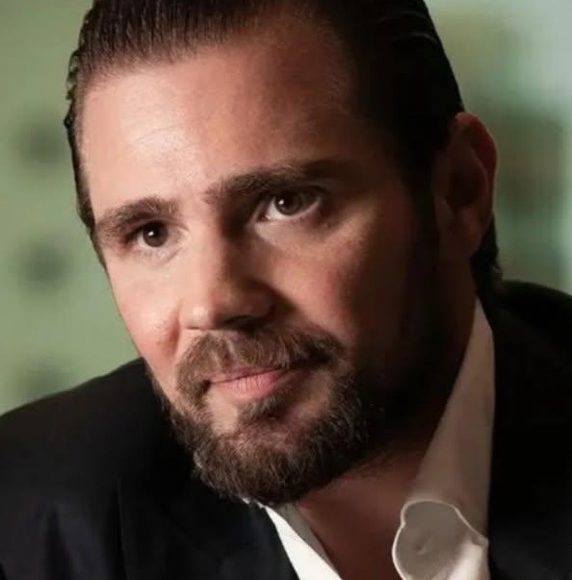
In yet another damning revelation exposing the rot within Brazil’s vaunted institutions, the Polícia Federal—long portrayed as a bastion of integrity and impartial justice—stands accused of selling its soul for cold, hard cash. Federal investigations have revealed that Daniel Vorcaro, the embattled former owner of Banco Master, along with his father Henrique, funneled R$400,000 per month (roughly $70,000 USD) plus performance bonuses to a network of federal agents. The purpose? Leaks of confidential investigative files to stay one step ahead of the law while their financial empire allegedly defrauded depositors and the public out of billions.
This is not some rogue low-level employee gone astray. A retired PF agent, Marilson Roseno da Silva, allegedly ran the operation—dubbed “A Turma” (The Crew)—acting as the middleman who funneled bribes to active-duty officers. One serving agent now sits in preventive detention; another has been sidelined by order of the Supreme Federal Court. Messages and system access logs reportedly show agents querying sealed files on Vorcaro’s behalf through the internal E-pol platform. Taxpayers funding a police force that moonlighted as corporate intelligence for a banker under scrutiny—this is the definition of institutional capture.
A Bank Built on Sand, Protected by the Powerful
Banco Master’s collapse in late 2025 triggered one of Brazil’s largest financial scandals on record. The Central Bank ordered its extrajudicial liquidation after massive irregularities surfaced, leaving the Credit Guarantee Fund on the hook for tens of billions of reais—money ultimately backed by ordinary Brazilian citizens and taxpayers. Yet while small depositors and pension funds suffered, Vorcaro and his inner circle allegedly lived large, cultivating influence at the highest levels.
Reports tie the banker to luxury junkets, including a notorious London trip where PF Director-General Andrei Rodrigues joined Supreme Court figures for whisky tastings and high-end events reportedly sponsored by Banco Master. Such coziness between regulators, judges, and the regulated raises profound questions about whose interests the system truly serves. Conservatives have long warned that Brazil’s powerful judicial and law enforcement apparatus, concentrated in Brasília’s echo chamber, risks becoming a self-protecting elite class rather than a defender of the rule of law.
This scandal erupts against a backdrop of broader distrust. Brazilians watched as politically charged operations, selective leaks, and lavish lifestyles among officials eroded faith in “Lava Jato” era promises of cleaning house. When even the Federal Police—tasked with combating the very corruption that plagues the nation—appears compromised, the entire edifice of accountability wobbles.
Time for Radical Reform, Not More Excuses
The Vorcaro affair is a symptom of a deeper disease: the fusion of big finance, political power, and unaccountable bureaucracy. A conservative approach demands transparency, decentralization of power, and real consequences. Every agent implicated must face swift justice. Internal PF reforms—mandatory audits of system access, stricter ethics enforcement, and insulation from political patronage—are overdue. The Supreme Federal Court, which has inserted itself into so many aspects of Brazilian life, cannot credibly investigate networks that touch its own orbit without independent oversight.
Brazil’s center-right voices have consistently argued that true prosperity and justice require limited government, free markets, and impartial rule of law—not cronyism disguised as regulation. When banks collapse under fraud yet their owners maintain access to insider police information, it confirms what many suspected: the game is rigged for the connected few.
The Brazilian people deserve better than a protection racket wearing a badge. As investigations widen, citizens should demand full disclosure, prosecutions without favoritism, and structural changes that prevent tomorrow’s Vorcaros from buying tomorrow’s guardians. Anything less perpetuates the cycle of elite impunity that has held Brazil back for far too long.


