





Venezuela’s Path to Recovery: Dollarization Isn’t Imperialism—It’s Economic Common Sense
By Hotspotnews
In a region long plagued by socialist experiments that deliver nothing but poverty, empty shelves, and mass exodus, Colombian President Gustavo Petro has once again stepped forward to decry what he sees as American meddling in Venezuela. According to the leftist leader, the United States is pushing for Venezuela to officially adopt the U.S. dollar as its currency following the collapse of the Maduro regime. Petro frames this as a threat to sovereignty. Conservatives see it for what it is: an overdue dose of reality for a nation destroyed by two decades of Chavismo.
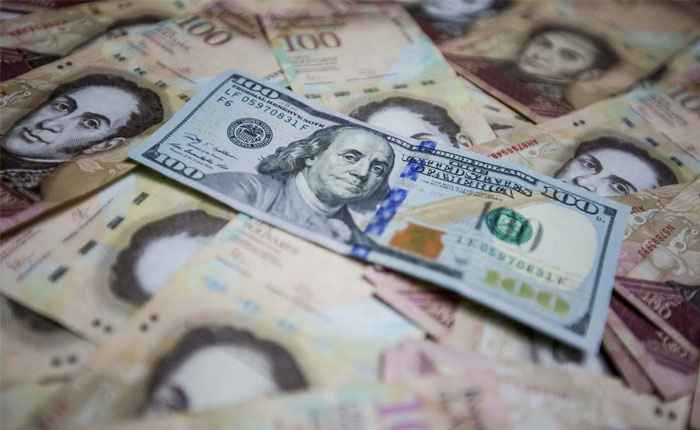
Let’s be clear. Venezuela doesn’t need lectures from Petro, a man whose own country teeters under populist policies that have fueled inflation, crime, and migration. Venezuela’s economy was already de facto dollarized years ago. When hyperinflation turned the bolívar into wallpaper, ordinary Venezuelans turned to greenbacks for basic survival—pricing goods, receiving remittances, and conducting daily trade. The socialist currency became a punchline; the dollar became the only reliable store of value.
Official dollarization would simply formalize what the people have already chosen through bitter experience. Countries like Ecuador and El Salvador have walked this road with measurable success in taming inflation. Dollarization ends the central bank’s ability to print money into oblivion, anchors expectations, invites foreign investment, and stabilizes prices. It rewards work and savings instead of punishing them. That’s not colonialism—it’s arithmetic. Free markets and sound money have lifted billions out of poverty worldwide. Socialism, by contrast, has a perfect record of failure.
A Tale of Two Neighbors: Venezuela vs. Brazil
Contrast Venezuela’s dire situation with neighboring Brazil. Venezuela had no functioning currency or credible institutions left after socialist ruin—dollarization is a desperate reset button for a failed state. Brazil, however, is Latin America’s largest economy with a diversified base in commodities, industry, and agriculture. It already operates under the Real with inflation targeting and a floating exchange rate.
For Brazil, full dollarization is not the same path to strength. While a fixed dollar rate would eliminate exchange volatility (a legitimate frustration for investors and exporters facing BRL swings), Brazil’s size and unique shocks—commodity cycles, domestic politics—make losing monetary flexibility risky. The Real has served as a shock absorber during global downturns, allowing depreciation to boost exports without the deep internal pain (wage cuts, unemployment spikes) that rigid dollarization can force.
That said, Brazil could learn from Venezuela’s hard lesson on discipline. The constant temptation of fiscal populism—expansive handouts, unchecked entitlements, and deficit spending—weakens any currency. Dollarization’s real value is the hard constraint it imposes: no more printing to fund popular programs. For Brazil, the smarter conservative approach isn’t full abandonment of the Real but adopting dollarization-style discipline at home: strict spending caps, pension and tax reform, labor flexibility to encourage formal work over dependency, and credible rules that limit handouts. These steps would reduce volatility’s downsides, open investment flows, and build a more potent economy without surrendering sovereignty or policy tools to the Fed.
Critics on the left howl about “loss of sovereignty.” But what sovereignty did Venezuela enjoy under Maduro? The real loss came from seizures, nationalizations, and money printing. A currency backed by the world’s largest economy offers far more independence than one controlled by corrupt ideologues. For Brazil, retaining its currency while enforcing Venezuelan-style fiscal hard stops would deliver the best of both: stability without the full transition costs.
The United States has every interest in seeing a stable, prosperous Venezuela emerge. A functioning economy in Caracas means fewer migrants at the southern border, reduced influence for cartels and adversarial powers like China, Russia, and Iran, and new opportunities for American energy firms and investors. After years of sanctions and isolation, helping Venezuela integrate into dollar-based global commerce is pragmatic statesmanship, not imperialism. Reconstruction after socialist ruin requires capital, rule of law, and trust—none of which thrive under monetary chaos.
Petro’s alarmism reveals more about his ideology than about U.S. intentions. Like many on the Latin American left, he prefers state control and anti-American rhetoric over results. Meanwhile, everyday Venezuelans—and Brazilians tired of high taxes funding endless transfers—understand the stakes. They want jobs, security, and a future—not more speeches defending failed policies.
Dollarization alone won’t solve every problem. Venezuela still needs secure property rights, reduced regulation, anti-corruption measures, and demilitarization of the economy. Brazil needs the same plus a commitment to work over welfare. But adopting the dollar (or its discipline) is a powerful first step toward credibility. It signals to the world that the era of printing presses and revolutionary slogans is over.
The choice is simple: cling to the discredited socialist model that turned the richest country in Latin America into a humanitarian disaster, or embrace the discipline of sound money and fiscal responsibility that has worked everywhere it’s been tried seriously. For both Venezuela and Brazil, let’s hope the pragmatists prevail over the ideologues. The people have already voted with their wallets. It’s time their leaders caught up.


