





Declassified Intelligence Reports and Debates Over Electronic Voting Security
By Hotspotnews
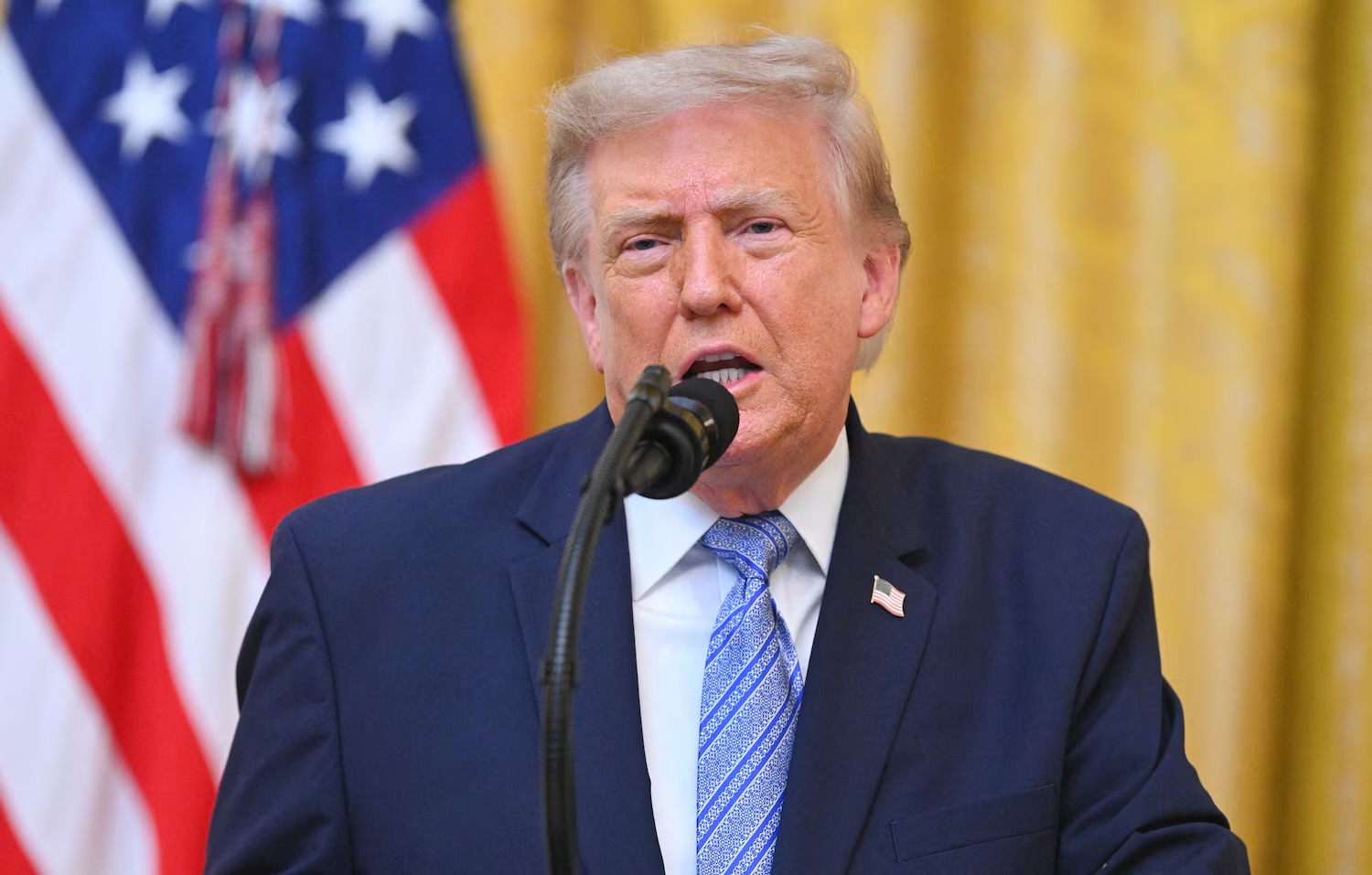
In mid-July 2026, the White House released a set of previously classified intelligence documents during a primetime presidential address focused on election integrity. The materials, drawn from the CIA, National Intelligence Council, and related agencies, covered assessments spanning roughly 2004 to 2026. They addressed potential risks to election infrastructure, foreign capabilities, and historical reporting on certain electronic voting systems.
The documents described judgments that adversaries such as Russia, China, Iran, and North Korea possess technical abilities that could target elements of U.S. election systems. Centralized components—including voter registration databases, electronic poll books, and official websites—were identified as particularly exposed. Some assessments noted issues such as outdated software or connectivity risks in certain configurations. At the same time, the reports repeatedly stressed the challenges of large-scale, undetected manipulation due to the decentralized nature of American elections, limited network connections on many voting machines, physical security measures, paper trails where available, and post-election audits. The materials did not present evidence that any foreign actor successfully altered vote totals in a U.S. presidential election.
A notable portion focused on Venezuela. A CIA summary of intelligence reporting from 2004 to 2020 indicated that Venezuelan officials had shown sustained interest and likely developed some capability to influence electronic voting systems used inside the country, including technology associated with the company Smartmatic. The reporting referenced potential techniques that analysts considered technically possible in certain scenarios. Baseline assessments for specific Venezuelan elections often concluded that large-scale electronic fraud had not been confirmed or that other factors better explained the results. The documents also stated that neither the Venezuelan government nor Smartmatic possessed the level of control required to manipulate election outcomes outside Venezuela in a predictable manner.
Separate materials addressed Chinese collection or analysis of large volumes of U.S. voter registration data and internal analytic disagreements over the scope of foreign influence efforts around the 2020 election. Overall assessments continued to hold that China did not alter the technical voting process or the outcome.
The reports themselves contain no references to Brazil or its electoral system. Brazil’s electronic voting machines are designed, programmed, and overseen by the country’s electoral justice authorities. Fact-checks and statements from the Superior Electoral Court have clarified that Smartmatic never developed or supplied those machines, though the company held limited past contracts for ancillary services such as data or voice connections in certain periods.
In Brazil, the U.S. document release has fueled public discussion. Some political figures and online commentators have cited the materials to argue for greater transparency and independent auditability of electronic systems more broadly. Others emphasize that Brazil’s process is distinct, nationally controlled, and subject to its own security testing and oversight. The conversation reflects a wider, ongoing global debate about the balance between technological efficiency in voting and the need for verifiable, publicly scrutinized results.
The declassified files highlight longstanding questions about theoretical vulnerabilities and foreign interest in election infrastructure. They stop short of demonstrating that those risks were realized in ways that changed U.S. election outcomes. The episode underscores the importance of clear communication about both the capabilities and the limitations of electronic systems, as well as the value of independent verification mechanisms that can build public confidence across different national contexts.


