


Dollar Reaches Six Reais: Causes of the Real’s Slide and What It Means for Brazil
By Hotspotnews
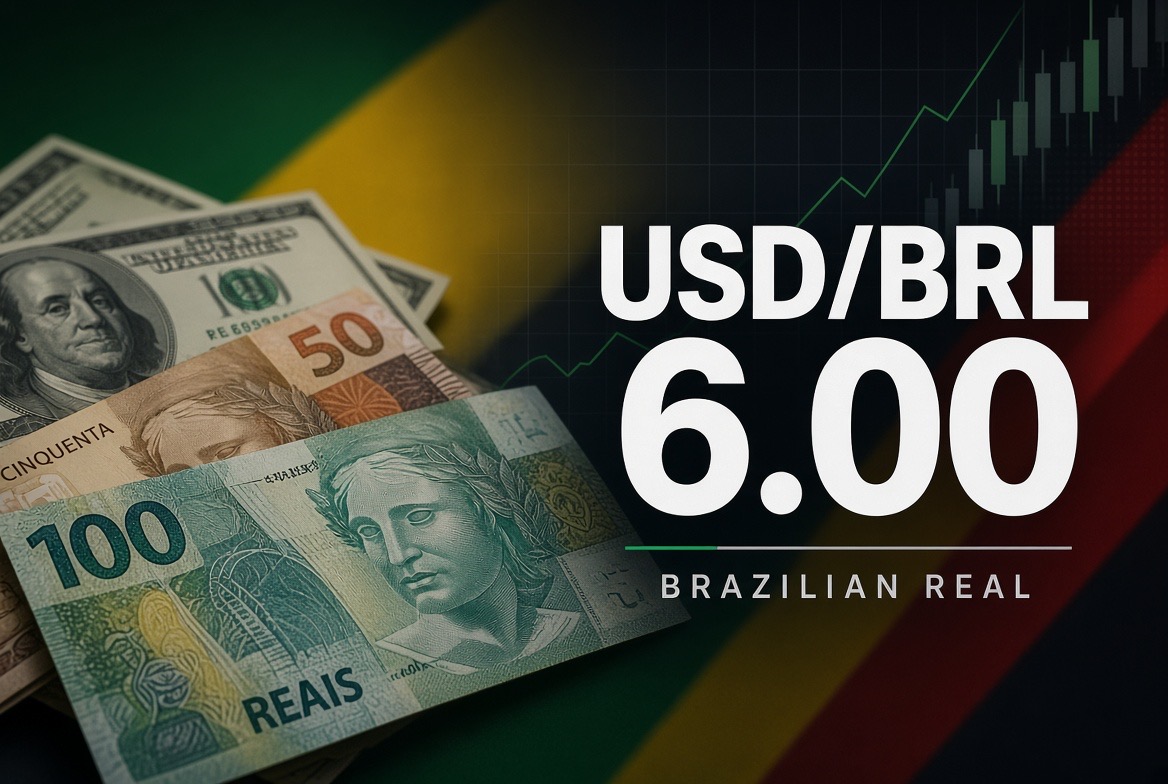
On November 23, 2026, the US dollar returned to the six-reais level against the Brazilian real, touching or briefly surpassing R$6 during trading. The move marked the highest point for the exchange rate in roughly nineteen months and continued a steady climb that began after the second round of the presidential election. While currency markets are always volatile, the speed and persistence of the real’s depreciation have drawn attention from investors, policymakers, and ordinary Brazilians who feel the effects at the supermarket and gas station.
The main drivers are a combination of domestic fiscal doubts and external pressures. After the election, markets had priced in a greater chance of a more aggressive fiscal adjustment under an opposition government. When that outcome did not materialize, investors began demanding a higher risk premium to hold Brazilian assets. Concerns center on the trajectory of public debt, the difficulty of securing lasting spending restraint, and the credibility of medium-term fiscal targets. At the same time, the dollar has strengthened globally. Higher-for-longer interest rates in the United States reduce the appeal of emerging-market currencies, including the real, even when Brazil’s own interest rates remain elevated. The result is a weaker real that reflects both Brazil-specific worries and a broader shift in global risk appetite.
For Brazilian households, a weaker currency quickly translates into higher prices. Imported goods, from electronics and medicines to wheat and fertilizers, become more expensive. Fuel costs rise because a large share of refined products and crude is priced in dollars, feeding into transportation and food inflation. Over time, these pressures can erode purchasing power, especially for lower-income families who spend a larger share of their income on basic goods. Businesses that rely on imported inputs face higher production costs, which they may pass on to consumers or absorb through thinner margins. Companies with dollar-denominated debt also see their local-currency liabilities increase, raising the risk of financial stress in parts of the corporate sector.
The Central Bank of Brazil faces a difficult balancing act. Persistent currency weakness can push inflation expectations higher, forcing policymakers to keep interest rates elevated longer than they would otherwise prefer or even raise them further. Higher domestic rates help support the real but slow economic activity and raise the cost of credit for households and firms. The government, for its part, must service any foreign-currency obligations at a higher real cost and may find it harder to finance spending without further eroding market confidence. On the positive side, a weaker real can eventually support exporters and tourism, providing some offset to the broader economy once the adjustment runs its course.
Looking ahead, the exchange rate’s path will depend largely on whether credible fiscal measures materialize and on the evolution of US monetary policy. If fiscal concerns ease and the dollar softens globally, the real could recover some ground. If doubts persist, further depreciation remains possible, with the associated costs falling most heavily on inflation and household budgets. The return of the dollar to six reais is not merely a market statistic; it is a signal that Brazil’s long-standing fiscal and credibility challenges continue to shape the daily cost of living.
Sources
- Infomoney, “Dólar bate os R$ 6: o que explica disparada e até onde a moeda pode ir?” (23 November 2026)
- Exame, “Dólar bate R$ 6 pela 1ª vez em 19 meses e acumula 16 altas desde reeleição de Lula” (23 November 2026)
- Folha de S.Paulo, “Dólar supera R$ 6 com votação de pacote fiscal e aversão global ao risco” (23 November 2026)
- Bloomberg Línea and Investing.com real-time USD/BRL quotes (23 November 2026)
- Valor Econômico and related market reports on post-election fiscal risk premium and Flávio Bolsonaro’s public comments on the exchange rate and economic outlook (November 2026)
- Banco Central do Brasil reference rates and market commentary on fiscal trajectory and interest-rate differentials
#Dolar #Cambio #Real #EconomiaBrasil #USD #Fiscal #Inflacao #BancoCentral #MercadoFinanceiro #Brasil2026