



By Laiz Rodrigues
hotspotorlando Editor in Chief
Eduardo Bolsonaro’s Stand in America: A Conservative Exile Fights Back
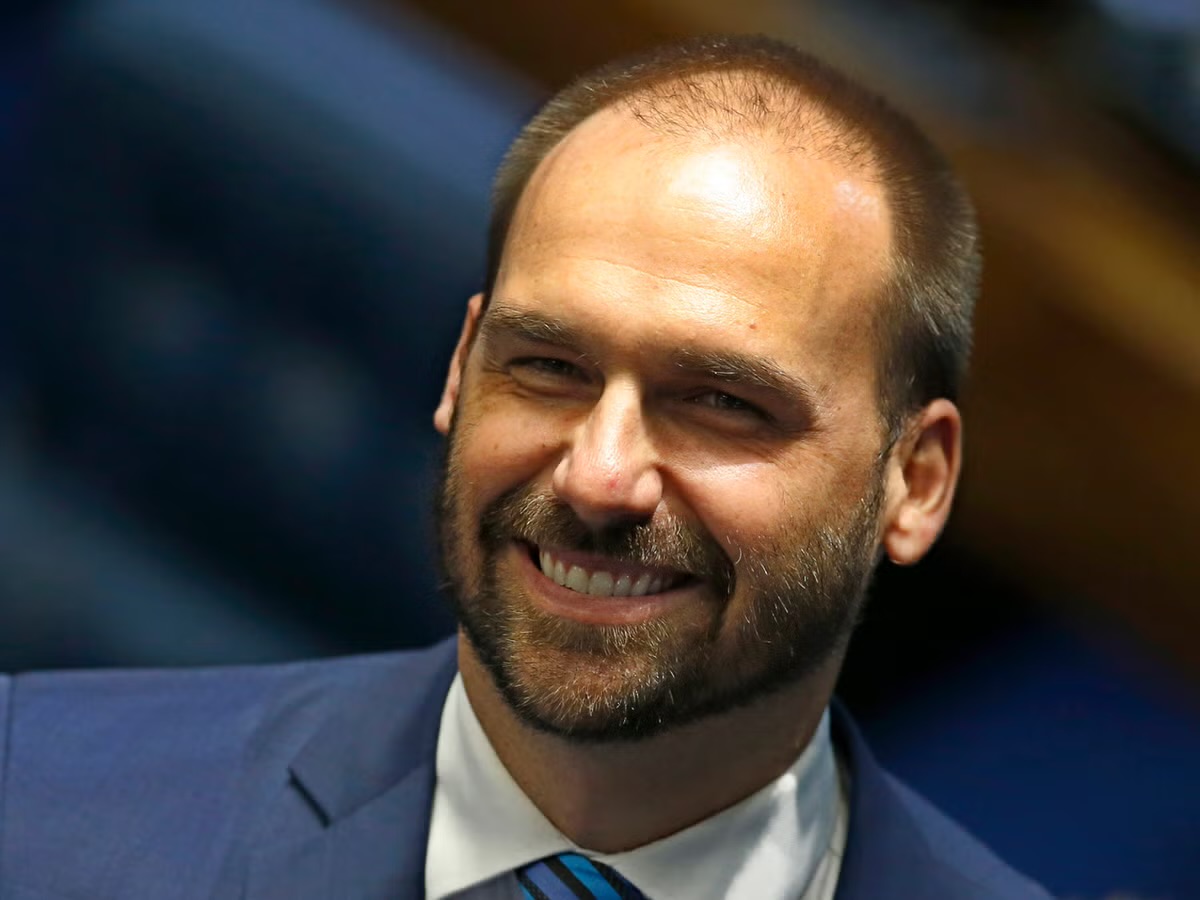
Eduardo Bolsonaro, the Brazilian congressman and son of former President Jair Bolsonaro, announced he would remain in the United States for an indefinite period, requesting a leave from his mandate in Brazil’s Chamber of Deputies. In a video posted to his social media, he framed this as a strategic retreat—not a flight from justice, but a stand against tyranny. For conservatives worldwide, this is more than a personal choice; it’s a rallying cry against a creeping authoritarianism in Brazil, masked as judicial righteousness. Eduardo’s exile signals a battle for freedom, one that resonates from Brasília to Washington, D.C.
The Context: A Judiciary Weaponized
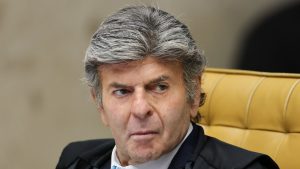
Eduardo’s decision comes amid relentless pressure from Brazil’s Supreme Court, led by Justice Alexandre de Moraes, a figure conservatives view as the spearhead of a leftist vendetta. Jair Bolsonaro, indicted in November 2024 for allegedly plotting a coup after his 2022 election loss, faces charges that could land him in prison. His passport remains confiscated, barring him from attending Donald Trump’s January inauguration—an event Eduardo and former First Lady Michelle Bolsonaro attended in his stead. Now, Eduardo, a vocal defender of his father and their shared ideology, sees the net tightening. Posts on X from supporters claim he fears his own passport seizure or arrest—fears not unfounded given Moraes’ track record.
This isn’t mere paranoia. Moraes has overseen a crusade against “disinformation,” suspending platforms like X in Brazil, jailing Bolsonaro allies, and freezing assets of perceived threats. The January 8, 2023, riot in Brasília—where Bolsonaro supporters stormed government buildings—became the pretext for a crackdown that conservatives argue mirrors the U.S. January 6 fallout, but with a key difference: Brazil’s judiciary acts with unchecked zeal. Eduardo’s video cites this “persecution,” accusing Moraes of shredding constitutional protections. For conservatives, it’s a stark warning—democracy isn’t failing in Brazil; it’s being dismantled by those sworn to protect it.
A Strategic Retreat, Not a Surrender
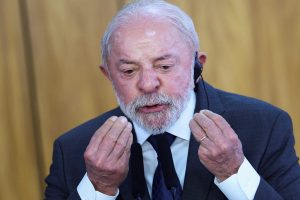
Eduardo’s move to the U.S. isn’t cowardice—it’s chess. From American soil, he can leverage his father’s alliance with Donald Trump, now back in the White House, and tap into a global conservative network. At CPAC in February, he spoke alongside figures like Liz Truss, signaling his role as a bridge between Brazil’s right and Trump’s America. Posts on X hail him as a “deputy in exile,” advising Trump’s team to restore free speech in Brazil—a mission he’s uniquely positioned to champion. With Trump’s administration eyeing Latin America as a geopolitical chessboard, Eduardo’s presence could nudge U.S. policy toward pressuring Brazil’s leftist government under Luiz Inácio Lula da Silva.
This isn’t just about influence—it’s survival. Brazil’s Superior Electoral Court banned Jair Bolsonaro from running until 2030, a ruling conservatives decry as political assassination. Eduardo, a potential heir to his father’s movement, faces similar risks. Staying in Brazil might mean silence or shackles; in the U.S., he keeps his voice. His video promises to “defend Brazil from abroad,” a pledge that echoes the resolve of dissidents under oppressive regimes. For conservatives, it’s a noble stand—fleeing to fight another day.
The Stakes: Freedom vs. Control
This saga transcends one man or family—it’s a microcosm of a global struggle. Conservatives see Brazil as a cautionary tale: a young democracy, barely 40 years removed from dictatorship, sliding back into authoritarian shadows. Lula’s administration, backed by a judiciary flexing extralegal muscle, mirrors the progressive overreach conservatives fear in the U.S.—from Big Tech censorship to weaponized lawfare. Eduardo’s exile draws a line: freedom of speech, the right to dissent, and the sanctity of elections are non-negotiable.
Contrast this with the U.S., where Trump’s return signals a conservative resurgence. Eduardo’s presence here isn’t just symbolic—it’s tactical. His father’s 2022 loss, by a razor-thin 2 million votes, still stings, with lingering doubts about electronic voting machines dismissed by Brazil’s courts but amplified by allies like Elon Musk. Eduardo’s meetings with Republican lawmakers, as reported by France24 in February, aim to keep that narrative alive. If Trump’s victory proves populism can rebound, Eduardo’s exile could galvanize Brazil’s right for 2026—whether Jair’s ban lifts or Eduardo himself rises.
The Critics: Blind to the Threat
Left-leaning voices on X and in Brazilian media paint Eduardo as a fugitive, dodging accountability for his family’s actions. They point to the January 8 riot, his father’s coup allegations, and his own fiery rhetoric as justification for judicial scrutiny. Some accuse him of living off U.S.-based far-right funding—a charge without evidence but fueled by his high-profile trips, like the one to Trump’s inauguration. To them, his “exile” is a confession of guilt, a Bolsonaro fleeing justice.
This misses the point. Conservatives argue the guilt lies with a system that punishes dissent while shielding its own. Moraes’ orders to block accounts, like that of fugitive Bolsonaro ally Allan dos Santos in the U.S., sparked a Trump Media lawsuit in February—vindicating Eduardo’s stance that Brazil’s judiciary overreaches into American sovereignty. The left cries “democracy”; conservatives see despotism in robes.
My Verdict: A Patriot’s Gambit
Eduardo Bolsonaro isn’t running—he’s regrouping. His decision to stay in the U.S. is a calculated risk, trading a deputy’s seat for a megaphone. It’s a conservative playbook: when the homeland turns hostile, seek allies abroad to reclaim it. Trump’s America, with its own scars from 2020, offers fertile ground. Eduardo’s fight isn’t just for his father’s freedom or his own—it’s for a Brazil where the right can speak, organize, and compete without fear of judicial guillotines.Will it work? Time will tell. Brazil’s right remains fragmented, and Lula’s grip tightens. But Eduardo’s exile keeps the flame alive, a beacon for conservatives who believe liberty’s worth crossing borders to defend. In a world where power bends truth, his stand is a reminder: the fight for freedom doesn’t end—it relocates. For now, that battleground is America.


