


Elite Capture Strikes Brazilian Football: Supreme Court Dynasty Tightens Grip on the CBF
By Hotspot news
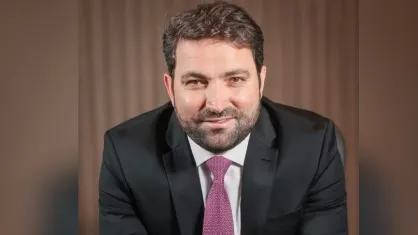
In Brazil, where football is religion and the people’s passion, a new scandal exposes the rotten core of institutional power: family dynasties and judicial elites treating national assets as personal fiefdoms. Federal Deputy Giovani Cherini (PL-RS) has stepped forward to denounce the unchecked rise of Francisco Schertel Mendes, son of Supreme Court Minister Gilmar Mendes, as one of the most influential figures in the Brazilian Football Confederation (CBF)—despite scant qualifications in the sport itself.
Through his vice-presidency in the Mato Grosso state football federation, Francisco Mendes has gained voting power in CBF assemblies, a position on FIFA’s disciplinary committee, and ties to lucrative deals involving the family-linked IDP institute and the CBF Academy. Critics point to profit-driven arrangements that appear to benefit insiders far more than the game or its fans. Deputy Cherini’s direct warning rings clear: Brazilian football governance is morphing into an open “business counter,” where family connections trump competence and public interest.
This is not mere coincidence or innocent opportunity. It reflects a deeper sickness in Brazilian public life—the fusion of judicial power with economic and cultural influence. Gilmar Mendes, a lightning rod for criticism over activist jurisprudence and perceived protection of allies, now sees his son wielding authority in an arena that commands billions in revenue and shapes national identity. When the son of a sitting Supreme Court justice can reportedly boast influence extending even to player selections for the national team, ordinary Brazilians rightly ask: Who really controls Brazil’s institutions?
A Pattern of Entrenched Power
Conservatives have warned for years about Brazil’s “toga republic,” where unelected judges and their networks exercise outsized control with minimal accountability. Lifetime tenure on the STF, combined with weak ethical firewalls, enables this kind of spillover. The CBF—already scarred by decades of corruption scandals—becomes an ideal vehicle: glamorous, wealthy, and emotionally resonant. Placing family in key spots ensures loyalty and leverage without the messiness of elections or transparency.
What merit earned Francisco Mendes these roles? Not grassroots football experience or proven administrative success in the sport, according to critics. Instead, the pathway runs through paternal influence, institutional partnerships, and the quiet accumulation of soft power. This violates every conservative principle of meritocracy, limited government, and equal application of rules. When elites exempt themselves and their kin from the standards they impose on others, trust collapses.
The outrage from voices across the center-right—from Cherini to governors and federal deputies—highlights the political dimension. In a nation still healing from polarized battles over rule of law, corruption probes, and institutional overreach, this episode feels like the establishment reasserting dominance. Football fans don’t care about court politics; they want clean administration, competitive integrity, and a federation that serves the beautiful game rather than connected insiders.
Time for Accountability and Reform
Brazil deserves better. True conservatism demands dismantling these networks: stricter nepotism bans across public and quasi-public entities, term limits for Supreme Court justices, full disclosure of family business dealings involving state-linked organizations, and greater private-sector competition in sports governance to dilute political capture.
Until then, stories like Francisco Mendes’ ascent will continue. The people’s game should belong to the people—not to judicial dynasties or any permanent ruling class. Deputy Cherini’s stand is a welcome dose of sunlight. Brazilians must demand merit over bloodlines, transparency over convenience, and national institutions that prioritize country and culture above personal empires. Anything less betrays both football and the future of Brazil.