





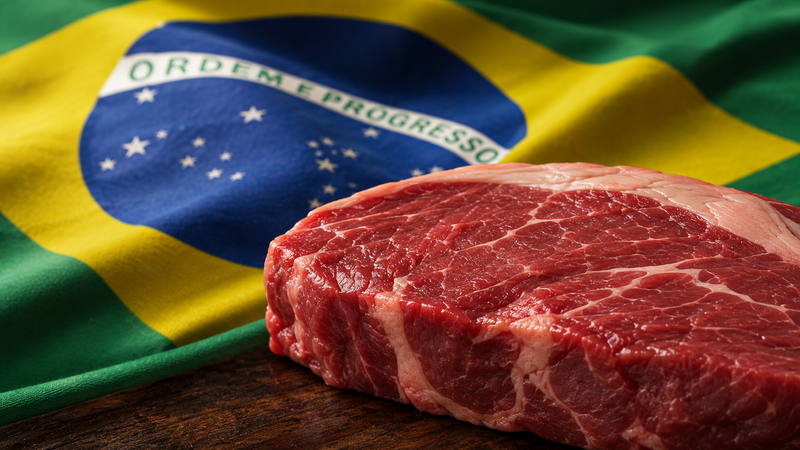
EU Bureaucrats Slap Brazil with Costly Meat and Honey Ban, Hammering Farmers and Global Trade
By Hotspotnews
BRASÍLIA — In a move straight out of the Brussels regulatory playbook, the European Union has decided to punish one of the world’s most productive agricultural powerhouses. Effective September 3, 2026, the EU is removing Brazil from its list of approved exporters for beef, poultry, honey, and several other animal products. The official reason? Concerns over antimicrobial use in Brazilian livestock — the very tools farmers rely on to raise healthy, efficient herds and keep food prices affordable.
This isn’t about genuine food safety. It’s another example of European elites weaponizing “standards” to kneecap competition from nations that actually produce food at scale. Brazil, under its dynamic agribusiness sector, has become a global breadbasket. Its meat exports help feed millions worldwide while supporting hundreds of thousands of jobs. Now, thanks to EU red tape, Brazilian producers face an estimated $1.8 billion annual hit — money ripped straight from the pockets of ranchers, processors, truckers, and rural communities.
At the center of this story sits JBS, the Brazilian-headquartered company that grew from humble roots into the world’s largest meat processor. JBS and its peers have invested billions in modern facilities, traceability systems, and quality controls to meet international demands. Company leaders have repeatedly affirmed compliance with rigorous sanitary requirements. Yet Brussels bureaucrats, insulated from the real-world consequences of their rules, have drawn a line in the sand over growth-promoting antimicrobials that many nations — including the United States in certain contexts — manage responsibly. The result? Premium cuts that fetch higher prices in Europe will now be shut out, forcing redirection to other markets and likely depressing prices for producers.
This ban arrives at a particularly painful moment. Brazilian agriculture already contends with tariff barriers, shifting Chinese demand, and the lingering effects of global supply chain disruptions. For American conservatives who value free enterprise and strong bilateral ties, the implications are clear. Brazil remains a vital partner — resource-rich, increasingly market-oriented, and a counterweight to authoritarian regimes in Latin America. Policies that punish such allies while Europe lectures the world on “sustainability” reveal the hypocrisy of globalist environmentalism. European farmers themselves face mounting regulations, nitrogen limits, and protest movements born from the same top-down mindset.
Critics of the EU approach rightly point out the double standard. Wealthy European nations protect their own heavily subsidized farms while demanding developing and middle-income countries adopt costly, low-yield practices that would devastate rural economies. True food safety comes from science-based risk assessment and verifiable protocols — not blanket prohibitions that ignore decades of safe use in competitive markets. Over-reliance on such restrictions risks higher global food prices, reduced supply, and greater vulnerability to shortages.
Brazilian officials are already pushing back through negotiations, and there is hope the issue resolves before full implementation. But the episode underscores a broader truth: overregulation stifles innovation, raises costs for consumers, and punishes the very producers who have done the most to modernize agriculture and reduce hunger worldwide.
Free-market nations should take note. Supporting open trade, rejecting arbitrary non-tariff barriers, and prioritizing practical solutions over ideological purity is the path to stronger economies and more secure food systems. Brazilian farmers and American consumers alike deserve better than Brussels deciding what ends up on dinner tables.


