





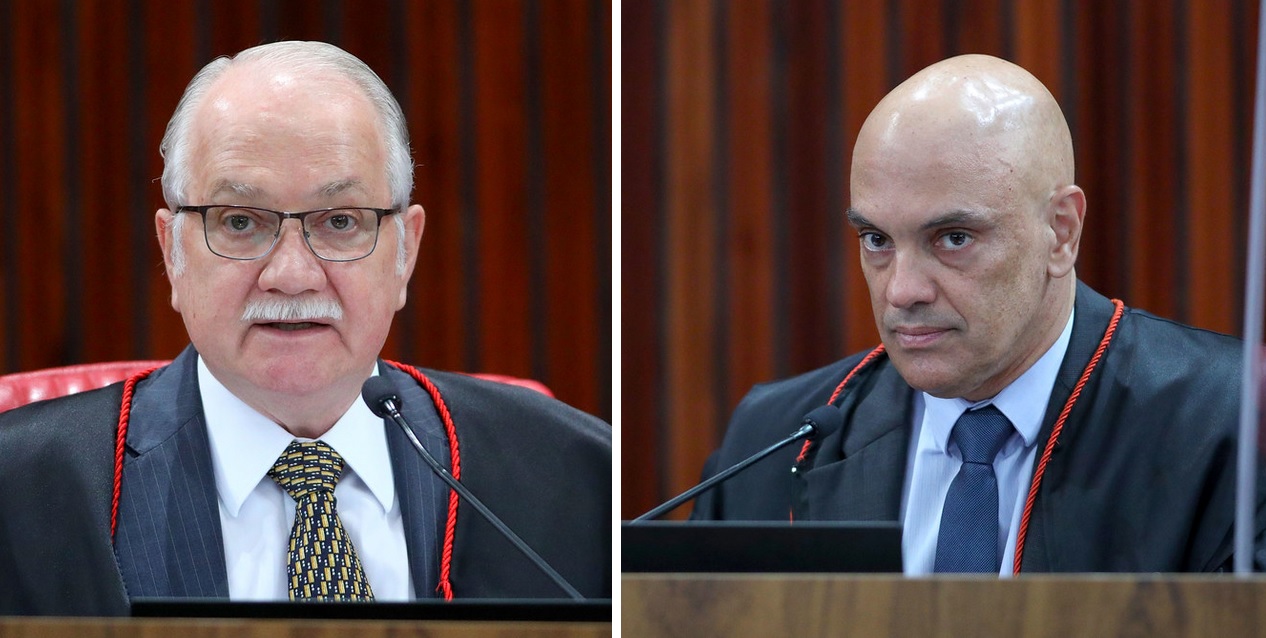
Fachin’s Pushback Against Moraes Signals Cracks in Brazil’s Judicial Overreach
By Hotspotnews
In a rare but welcome display of institutional friction within Brazil’s Supreme Federal Court (STF), President Edson Fachin is reportedly urging Minister Alexandre de Moraes to release the Lei da Dosimetria for immediate plenary review, effectively challenging Moraes’ unilateral suspension of a law passed by Congress. For conservatives who have long warned about the concentration of unchecked power in the hands of activist judges, this development offers a modest but important signal: even within the STF, some recognize the peril of one minister defying the elected branches of government.
The facts are straightforward. Congress overrode President Lula’s veto and promulgated Lei 15.402/2026 on May 8, adjusting sentencing calculations under Brazil’s Penal Execution Law. The legislation provides clearer guidelines for concurrent crimes, crowd-related offenses without proven leadership or financing, and more proportionate regime progression for prisoners. This is classic legislative work—Congress exercising its constitutional authority to shape criminal policy.
Yet within 24 hours, Minister Moraes issued a monocratic decision suspending the law’s application specifically for those convicted in connection with the January 8, 2023 events. He cited vague concerns over “legal security,” bypassing the normal requirement for full Court deliberation in such sensitive matters. Critics rightly see this as another example of judicial activism overriding the will of the people’s representatives.
By the clear letter of Brazilian law, the Lei da Dosimetria carries a strong presumption of constitutionality from the moment of promulgation. Federal statutes enacted through proper constitutional channels—veto override included—must be respected and applied until the full STF plenary, after adversarial proceedings, declares otherwise. A single minister’s temporary hold, especially one so narrowly targeted at politically sensitive cases, stretches procedural norms and flirts with violating the separation of powers enshrined in Article 2 of the Constitution.
Fachin’s insistence on fast-tracking plenary review is therefore not radical; it is the bare minimum required for collegial judicial function. Allowing the law to govern sentencing calculations now, for qualifying cases, upholds legislative supremacy rather than permitting perpetual monocratic vetoes. Persistent defiance of the Senate and Chamber of Deputies on this issue risks disastrous consequences: eroded public trust, retaliatory legislation limiting judicial powers, waves of impeachment petitions, and further polarization heading into the 2026 elections.
Brazil’s democracy cannot survive if one branch routinely nullifies the acts of another. Congress passed this law through legitimate channels. The executive accepted its promulgation. For the judiciary to selectively suspend it—particularly when it benefits defendants the Court has treated with exceptional severity—fuels the perception of two-tiered justice. Many on the right have argued for years that January 8 participants received disproportionately harsh treatment compared to left-wing protesters who faced far lighter consequences for similar disruptions.
This episode exposes deeper fractures. The STF’s image as a monolithic guardian against “threats to democracy” is cracking under the weight of its own excesses: prolonged inquiries, broad censorship orders, and repeated interventions in political matters. Fachin’s move, however limited, suggests that even some within the Court understand the danger of unchecked power alienating Congress, the public, and conservative voters.
True rule of law demands that activist impulses yield to constitutional boundaries. The full STF should promptly affirm the Lei da Dosimetria’s validity on the merits, allowing it to take effect as intended. Anything less validates the conservative critique: Brazil suffers not from a lack of judicial power, but from its abuse. Restoring balance between the branches is essential to preserving the republic.


