





Firing the Cop Who Fought Narco-Terrorists: What Changed in Rio’s Favelas After the “Terrorist Nomination”
By Hotspotnews
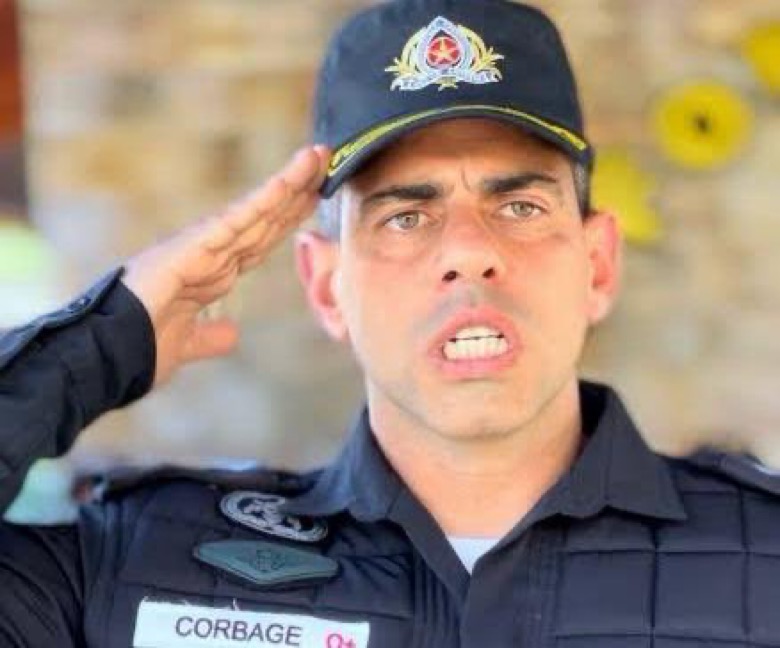
In late 2025, Colonel Marcelo Corbage—then a lieutenant colonel commanding BOPE, Rio’s elite police battalion—led one of the most decisive strikes against organized crime in recent Brazilian history. The operation, dubbed Operação Contenção, targeted the Comando Vermelho (Red Command) stronghold in the Alemão and Penha favela complexes. It resulted in roughly 122 deaths (the vast majority confirmed criminals with ties to the gang, extensive records, or outstanding warrants), over 100 arrests, and the seizure of dozens of rifles, explosives, and large quantities of drugs.
Corbage’s leadership earned him praise, medals, and a well-deserved promotion to full colonel. Residents in affected favelas reportedly backed the action in significant numbers. Then, in June 2026, the Rio state government quietly removed him from BOPE command. No official reason was given. The message was unmistakable: even when you deliver results against the gangs terrorizing these communities, politics can still sideline you.
What actually changed on the ground after the operation?
Tactical degradation of the enemy.
Comando Vermelho suffered a major blow. Dozens of active gunmen—many with long criminal histories—were removed from the battlefield in a single day. Authorities seized heavy weaponry that had been used to intimidate residents and challenge the state. This was not random violence; it was a targeted response to a gang that functions like a terrorist organization, controlling territory through fear, extortion, and firepower. Conservative analysts rightly call these groups narco-terrorists. They don’t just sell drugs—they wage war on the state and on law-abiding citizens trapped in their domains.
Short-term effects included disrupted gang logistics, fewer overt displays of power in the immediate aftermath, and a clear signal that the state could still hit hard when it chose to. In favelas long dominated by Comando Vermelho, this kind of pressure forces criminals to regroup, hide assets, or pause expansion. It buys breathing room for residents who live under constant threat of gang violence, shootouts, and forced “taxes.”
The limits of one-off action without follow-through.
Critics (mostly from human rights groups and the left) claimed the operation changed nothing because police eventually withdrew and the gang retained territorial control months later. They have a partial point—but for the wrong reasons. Decades of failed “pacification” experiments proved that temporary incursions without sustained presence allow criminals to return. True, lasting change requires holding ground, prosecuting the political and financial networks that protect these gangs, and rejecting the narrative that aggressive policing is the real problem.
The operation exposed the gang’s vulnerability. It showed that when elite units like BOPE operate with resolve, they can neutralize armed threats that softer approaches have failed to contain for years. Public safety improved in the broader sense that fewer criminals were left free to terrorize the community.
The real reversal came with the political firing.
Removing Colonel Corbage without explanation undermines everything the operation achieved. It demoralizes the very officers willing to do the hard, dangerous work. It tells the gangs: “Keep fighting—we’ll eventually punish the cops who fight back hardest.” This is the same pattern seen across Brazil whenever tough-on-crime leaders face pressure from activist lobbies, international bodies, or political correctness that treats armed criminals as victims and police as villains.
In the favelas of Alemão and Penha, the core problem remains: criminal organizations still exert de facto control because the state refuses to commit to permanent dominance. One successful raid disrupts that control. Firing the commander who made it happen signals hesitation and invites the gangs to reassert themselves.
The bigger picture conservatives understand
Brazil’s favelas will not be transformed by social programs alone while narco-terrorists hold the monopoly on violence. Real change requires unapologetic law enforcement that prioritizes the safety of innocent residents over the feelings of criminals or the outrage of foreign NGOs. Colonel Corbage’s operation delivered exactly that kind of result. The subsequent decision to sideline him represents the opposite: weakness dressed up as prudence.
What changed after the “terrorist nomination”—the appointment and leadership of a no-nonsense commander willing to confront the gangs head-on? For a time, the balance of power shifted against the criminals. Residents saw that the state could still fight for them. But political decisions that punish results and reward caution threaten to hand that ground back.
Rio doesn’t need fewer Colonel Corbages. It needs more—and the political will to let them do their jobs without fear of being fired for winning. Until that happens, the favelas will continue cycling between temporary relief and renewed gang dominance. The solution isn’t less decisive policing. It’s more of it, sustained and unapologetic.


