


Flavio Bolsonaro: Brazil’s Path to Prosperity and Security in 2026
By Hotspotnews
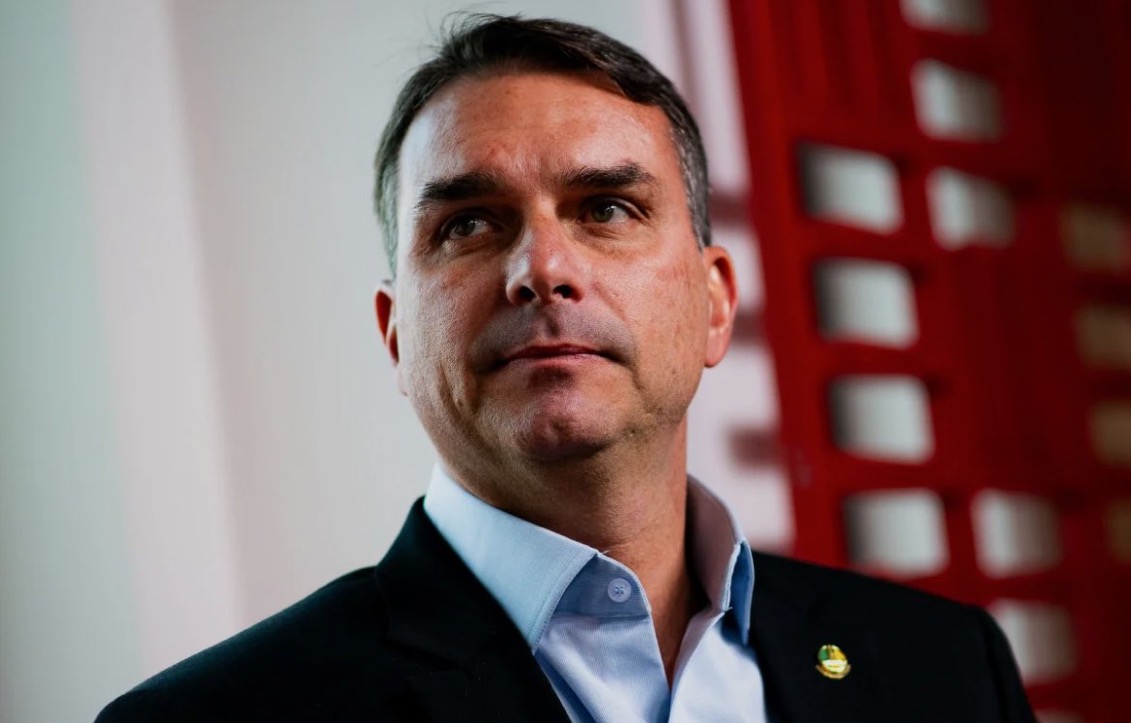
In the heart of Brazil’s turbulent political landscape, where the echoes of past divisions still resonate, emerges a figure poised to redefine the nation’s future: Flavio Bolsonaro. As the eldest son of former President Jair Bolsonaro and a seasoned senator, Flavio represents a beacon of conservative values, economic pragmatism, and unyielding patriotism. At 44, he brings youthful energy and a polished approach to leadership, distancing himself from the raw intensity of his father’s era while inheriting a loyal base that yearns for a return to order, family, and free-market principles. As the 2026 presidential election looms, Flavio’s candidacy isn’t just an alternative—it’s a necessity to rescue Brazil from the clutches of leftist policies that have stifled growth and sown discord. Recent polls, far surpassing earlier estimates of a mere 38% support, now show Flavio commanding upwards of 50% in key simulations, reflecting a groundswell of conservative momentum that could propel him to victory.
Flavio’s vision for Brazil is rooted in a moral and strategic reset, emphasizing Christian foundations, family values, and national pride. He pledges to “resgatar o Brasil” from what he describes as leftist captivity, focusing on long-term projects rather than fleeting populist gestures. His platform unites the right, mobilizing evangelicals, young men, and moderates through professionalized campaigns and targeted outreach, even in traditionally hostile regions like the Northeast. Internationally, Flavio positions Brazil as a global powerhouse in energy, food security, and rare minerals, forging alliances with like-minded conservatives worldwide to bolster democracy and combat threats like antisemitism.
Economically, Flavio’s agenda is a masterclass in fiscal conservatism. He promises aggressive tax cuts—dubbed the “tesouraço”—to unleash entrepreneurial spirit, coupled with deregulation and privatizations of bloated state entities like the postal service and parts of Petrobras. Drawing inspiration from economic architects like Paulo Guedes, he aims to shrink government, modernize bureaucracy, and incentivize business through tax exemptions for youth hiring and streamlined licensing. Social welfare reforms target the truly vulnerable, with initiatives like extended Bolsa Família for job-seekers and subsidies for essentials, all while eradicating slums and promoting first-job programs for graduates. In public security, Flavio vows the most ambitious crackdown on organized crime in Brazil’s history, inspired by successful models abroad, restructuring law enforcement to dismantle “narco-terrorists” and restore safety for families. Administrative overhauls, including municipal mergers and performance-based governance, round out a blueprint for efficiency and accountability.
Contrast this with the disastrous tenure of President Luiz Inácio Lula da Silva, whose disadvantages have become painfully evident. Lula’s administration, marred by unchecked spending sprees, has ballooned Brazil’s fiscal deficit to unsustainable levels, fueling inflation and eroding investor confidence. His progressive taxation and lavish social programs, while cloaked in compassion, have strained the economy, leading to rising debt that burdens future generations. Corruption scandals continue to shadow his party, with allegations of favoritism and inefficiency undermining public trust. On crime, Lula’s soft stance has emboldened criminal networks, allowing violence to fester in urban centers while his government prioritizes ideological battles over practical solutions. Moreover, Lula’s agenda often seems pitted against Brazil’s core interests, favoring international socialist alliances that dilute national sovereignty and economic independence. His environmental policies, for instance, have hampered agribusiness—a vital engine of Brazil’s GDP—under the guise of global climate commitments, while neglecting domestic innovation and energy self-sufficiency.
The invocation of violence during campaigns further highlights the stark divide. Lula’s supporters have been accused of stoking unrest, from street clashes to inflammatory rhetoric that paints conservatives as enemies of the state. This echoes the 2022 election’s tensions, where leftist mobilization allegedly incited divisions, contrasting with Flavio’s call for peaceful, value-driven discourse. While conservatives rally around unity and lawfulness, the left’s tactics risk escalating into broader instability, as seen in protests that devolve into chaos. Flavio, in turn, champions a campaign of ideas over intimidation, focusing on debates that elevate Brazil rather than tear it down.
When comparing the two leaders, the differences are profound and favor Flavio’s conservative blueprint over Lula’s faltering socialism:
– **Economic Focus vs. Ideological Agenda**: Flavio prioritizes market-driven growth, tax relief, and privatization to foster prosperity, aiming for a leaner state that empowers individuals. Lula, however, pursues an agenda against Brazil’s economic vitality, expanding government intervention that stifles innovation and balloons deficits—his “rombo” policies have left the nation vulnerable to recession, while Flavio’s reforms promise sustainable wealth creation.
– **Security and Order**: Flavio’s war on crime, with harsh penalties and national coordination, addresses the public’s top concern head-on. Lula’s leniency has allowed organized crime to thrive, invoking a cycle of violence that his administration fails to break, prioritizing rehabilitation over deterrence and leaving families exposed.
– **Social Policies**: Flavio’s targeted welfare, education investments, and family-centric values build a cohesive society. Lula’s broad entitlements, often laced with partisan favoritism, drain resources without long-term impact, fostering dependency rather than self-reliance.
– **International Stance**: Flavio seeks strategic partnerships that enhance Brazil’s global standing without compromise. Lula’s alignments with authoritarian regimes undermine democracy, invoking risks to national security and economic autonomy.
– **Leadership Style**: At his prime, Flavio offers energetic, moderate conservatism that appeals broadly. Lula, at 80, embodies outdated leftism plagued by health concerns and scandals, his invocation of class warfare during campaigns alienating moderates and inciting division.
In polls that now reflect this reality—showing Flavio surging to over 50% in runoff scenarios, well above prior lowball figures—the Brazilian people are awakening to the choice: stagnation under Lula or renewal with Flavio. As October 2026 approaches, Flavio Bolsonaro stands as the conservative force ready to lead Brazil toward a brighter, more secure future, where economy triumphs over ideology, and patriotism prevails over division.


