

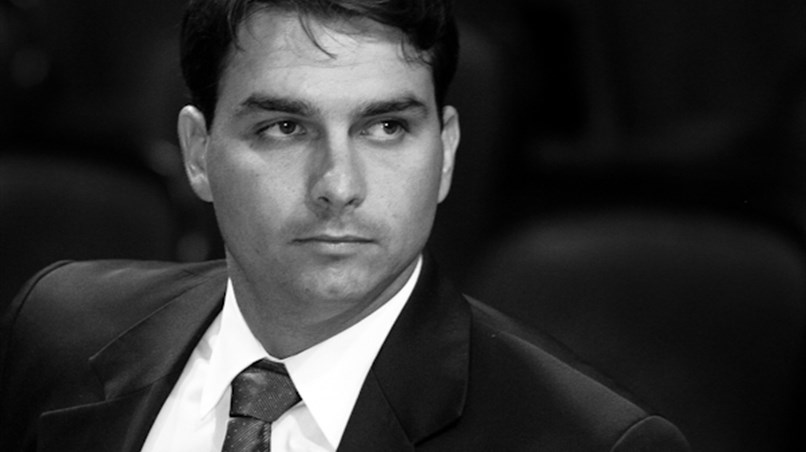
Flávio Bolsonaro Steps Up for Brazil: Proactive Defense at the US Tariff Hearing Exposes Administration Passivity
By Hotspotnews
In a significant display of initiative, Senator Flávio Bolsonaro has registered to testify at the U.S. Trade Representative public hearing on July 6, 2026. This hearing concerns proposed 25% tariffs on a broad range of Brazilian goods under a Section 301 investigation. While the Lula administration has chosen a minimal role—sending only diplomats to observe—Flávio’s active participation stands out as a clear effort to defend Brazil’s economic interests directly. His presence signals that at least one Brazilian leader is willing to show up, speak out, and demonstrate that someone cares about protecting the nation from unnecessary harm.
This contrast reveals two opposing approaches: one of proactive engagement and another of apparent detachment that risks leaving Brazil vulnerable.
The Real Stakes for Brazil
The threatened tariffs stem from U.S. concerns over digital trade rules, the popular instant payment system Pix, preferential trade arrangements, intellectual property issues, ethanol access, and environmental enforcement. A 25% duty could hit key Brazilian exports hard—agriculture, manufacturing, commodities, and more—raising costs for producers, threatening jobs, and slowing economic momentum. Brazil and the United States share a long history of mutually beneficial trade. Punitive measures would hurt consumers and businesses on both sides, making strong, practical advocacy essential to push for negotiated solutions instead of escalation.
Flávio Bolsonaro’s Concrete Action and Its Benefits
As a senator from Rio de Janeiro and a declared pre-candidate for the 2026 presidential election, Flávio has taken tangible steps. He has already engaged with U.S. officials during recent visits, urged against the tariffs in direct communications, and now plans to deliver testimony emphasizing that these measures would damage consumers and producers in both countries while undermining a valuable partnership.
His involvement delivers several clear benefits to Brazil:
- Visible and Direct Advocacy: By testifying, Flávio ensures Brazil’s perspective is presented forcefully in an official forum. He can highlight economic realities, the value of dialogue, and the shared losses from protectionism. This adds weight alongside private sector voices and prevents the discussion from being one-sided.
- Leveraging Relationships for Results: Flávio’s connections in U.S. policy circles provide channels for candid, constructive conversation. In trade matters, personal rapport and consistent messaging often open doors to exemptions, phased implementations, or compromises that passive diplomacy might miss.
- Defending Brazilian Innovations: Pix, Brazil’s world-leading instant payment system, is among the issues cited. Flávio can frame it as a legitimate tool for financial inclusion and efficiency that benefits everyday Brazilians, rather than allowing foreign complaints to go unchallenged. This helps protect national achievements in digital sovereignty.
- Showing That Someone Cares: In moments of external pressure, citizens need to see leaders prioritizing the country’s well-being. Flávio’s actions reassure exporters, workers, and families that their interests are being actively defended. It projects strength and responsibility, reinforcing that Brazil will not simply accept damaging outcomes without a fight.
- Path Toward De-escalation: A balanced message focused on mutual benefits can reduce tensions and encourage negotiation. This approach prioritizes Brazil’s long-term economic stability over short-term political drama.
Flávio’s planned testimony centers on partnership, the limited effectiveness of tariffs, and the importance of preserving strong bilateral ties. It is a pragmatic stance that puts Brazil first.
The Administration’s Passive Stance: Leaving Brazil Exposed
By contrast, the Lula administration’s response has been strikingly restrained at the hearing itself. Diplomats will attend mainly to watch, including monitoring Flávio’s testimony, rather than leading with senior officials or a robust presentation. This limited engagement sends a troubling signal: when Brazil’s exports and jobs face real threats, the government appears content with observation instead of assertive defense.
Instead of focusing energy on intensive negotiations or high-level advocacy, officials have emphasized a domestic political narrative. They have linked the tariff pressure to alleged interference by opposition figures, sometimes using strong language that frames critics as disloyal. While defending sovereignty is valid, critics see this as a substitution for practical action. Blaming others may serve short-term electoral purposes, but it does little to shield Brazilian industries from tariffs.
This passivity effectively throws Brazil under the bus. When the government steps back and allows an opposition senator to carry the primary public burden, it weakens the nation’s overall position. It creates poor optics—suggesting the administration is more interested in managing domestic stories than in fighting for economic outcomes. Exporters and workers deserve better than minimal diplomatic presence while tariffs loom. A stronger approach would combine firm public defense with energetic behind-the-scenes work to secure the best possible deal for Brazil.
A Clear Divide in Leadership
The difference is stark. Flávio’s engagement shows initiative, use of available influence, and genuine concern for protecting Brazil’s economy. It demonstrates that effective leadership means showing up, speaking directly, and seeking results that matter to ordinary citizens—stable markets, competitive exports, and preserved livelihoods.
The administration’s choice to limit itself to observation while prioritizing blame-shifting risks portraying Brazil as distracted and divided. In high-stakes trade disputes, visibility and proactive effort often determine outcomes. When leaders appear more focused on internal politics than external defense, the country pays the price in lost leverage and economic vulnerability.
The Path Forward
As the July 6 hearing approaches, Flávio Bolsonaro’s participation offers a valuable platform to advance Brazil’s interests. His emphasis on dialogue and mutual benefits could help steer discussions toward practical solutions. The administration still has time to intensify negotiations and present a more forceful case, ideally creating a united front that serves the nation rather than partisan goals.
Events like this reveal what leadership truly means. Flávio’s willingness to act shows that some voices in Brazil are committed to defending the country’s prosperity abroad. Brazilians deserve representatives who demonstrate care through deeds—active advocacy, clear priorities, and a refusal to let external threats go unanswered. In protecting economic interests and national standing, proactive engagement will always outperform passive observation and political recriminations.