



Flávio Bolsonaro’s Surge: A Conservative Beacon in Brazil’s Polarized Landscape
By Hotspotnews
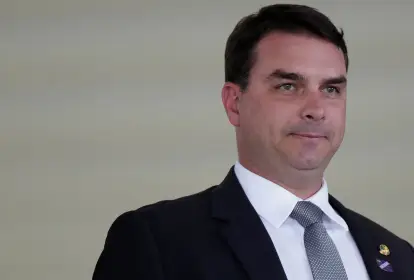
From a conservative viewpoint, the recent Bloomberg coverage of Senator Flávio Bolsonaro’s remarkable poll gains in the lead-up to Brazil’s October 2026 presidential election underscores a resilient resurgence of right-wing populism in Latin America. As the eldest son of former President Jair Bolsonaro, Flávio’s rapid ascent—tying with incumbent President Luiz Inácio Lula da Silva in hypothetical run-offs—signals a rejection of leftist policies that many conservatives see as eroding traditional values, economic freedom, and national sovereignty. This international media spotlight on Flávio isn’t mere coincidence; it’s a testament to the enduring appeal of the Bolsonaro brand, which champions family, faith, and fiscal conservatism against what critics view as Lula’s socialist leanings and alleged corruption ties.
Flávio’s campaign launch in December 2025, bolstered by his father’s endorsement from prison, has tapped into a deep well of conservative support. Despite initial skepticism about his viability, recent Reuters polling shows Lula’s first-round lead narrowing, highlighting how Brazil’s persistent political polarization favors candidates who promise to dismantle bureaucratic overreach and restore law-and-order priorities. Conservatives argue this momentum reflects widespread disillusionment with Lula’s administration, plagued by economic stagnation, rising crime, and international alliances that prioritize globalist agendas over Brazilian interests. Flávio’s rise embodies a counter-narrative to the progressive wave that swept Lula back into power, proving that conservative ideals—rooted in patriotism, free markets, and cultural preservation—remain potent electoral forces.
The international media attention, exemplified by Bloomberg’s detailed reporting, stems from several key factors. First, the Bolsonaro family’s global notoriety: Jair Bolsonaro’s unapologetic conservatism drew comparisons to figures like Donald Trump, making his son’s candidacy a proxy for broader ideological battles. Media outlets recognize that Flávio’s potential victory could shift Brazil’s foreign policy away from alignments with leftist regimes in Venezuela or Cuba, towards stronger ties with conservative-led nations. Second, the drama of familial legacy and legal challenges—Jair’s imprisonment on charges conservatives decry as politically motivated—adds a compelling human element, drawing parallels to persecuted leaders worldwide. This narrative amplifies Flávio’s story beyond Brazil’s borders, positioning him as a symbol of resistance against what many see as judicial overreach by left-leaning institutions.
Moreover, in an era of global political realignment, Flávio’s gains attract attention because they challenge the dominance of progressive internationalism. Bloomberg, as a business-focused outlet, likely sees implications for markets: A Flávio presidency could mean deregulation, tax cuts, and pro-business reforms that appeal to investors wary of Lula’s interventionist policies. This coverage isn’t just neutral reporting; it’s an acknowledgment that conservative populism isn’t fading but evolving, with Flávio leveraging social media and grassroots networks to bypass traditional media gatekeepers. Nine months out from the election, this surge serves as a rallying cry for conservatives globally, reminding us that principled leadership can overcome adversity and reclaim the narrative from entrenched elites.


