


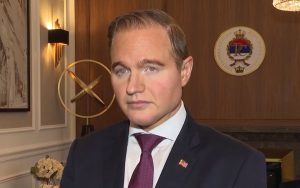



Gilmar Mendes Shields Allies of PSB Mayor João Campos from Corruption Probe**
In yet another display of the Supreme Federal Court’s troubling pattern of intervention, Minister Gilmar Mendes has once again stepped in to protect figures closely tied to leftist administrations. On January 31, 2026, Mendes ordered the immediate shutdown of a state-level corruption investigation targeting three key secretaries in the Recife city government under PSB Mayor João Campos: Luciana D’Angelo (Health), Maíra Fischer (Administration), and Adynara Gonçalves (Human Rights and Youth Coordination).
The probe, led by Pernambuco’s GAECO unit within the state Public Ministry, focused on alleged irregularities in the city’s adherence to intermunicipal consortium price records—practices that raised red flags about potential misuse of public funds and favoritism in contracts. Rather than allowing due process to unfold, Mendes declared the investigation invalid, citing vague claims of “procedural flaws,” “lack of clear objectives,” “deviation of purpose,” and violation of so-called “state neutrality” principles established by the STF itself.
This abrupt halt came amid broader accusations that elements within Pernambuco’s state police—under a governor from a rival political camp—were engaged in improper surveillance of Campos administration officials, including the monitoring of a political articulation secretary and his brother. In the same ruling, Mendes flipped the script by directing the **Federal Police** to investigate those very state agents for possible illegal actions, effectively turning the tables and shielding the mayor’s inner circle while scrutinizing the opposition.
Conservatives have long warned about the weaponization of Brazil’s judiciary, where activist ministers appear to selectively apply the law to benefit allies of the establishment left—particularly those linked to the PSB and broader Lula-aligned networks. João Campos, often touted as a rising star on the socialist spectrum and a potential future gubernatorial contender, now benefits from this high-level intervention just as pre-election maneuvering intensifies in Pernambuco.
The message is unmistakable: when politically inconvenient investigations threaten progressive administrations, the STF stands ready to intervene under the guise of “constitutional guarantees.” Meanwhile, ordinary citizens watch as accountability evaporates for those in power. True rule of law demands impartiality—not selective protection for the connected few. Until ministers like Gilmar Mendes are held to the same standards they impose on others, public trust in institutions will continue to erode.


