





U.S. Takes Decisive Action Against Brazilian Narco-Terrorists as Lula’s Government Fumbles Security
By Hotspotnews
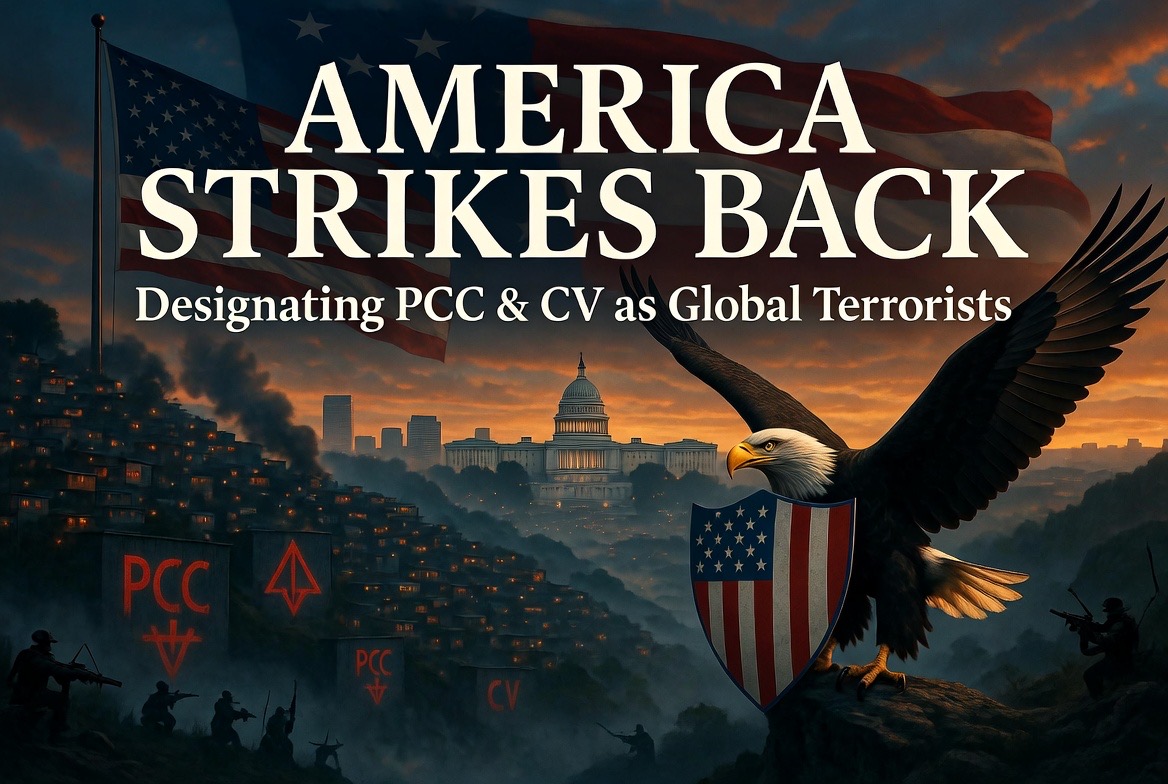
In a bold move underscoring America’s renewed commitment to national security and the fight against transnational crime, the United States has officially classified Brazil’s most powerful criminal organizations—Primeiro Comando da Capital (PCC) and Comando Vermelho (CV)—as terrorist entities. Secretary of State Marco Rubio announced the designations, elevating these gangs from mere street-level thugs to specially designated global terrorists, with full Foreign Terrorist Organization status following shortly. This is the kind of no-nonsense policy that prioritizes American interests and sends a clear message: drug cartels and their enablers will face the full weight of U.S. intelligence and law enforcement.
For years, these Brazilian syndicates have operated with impunity, building empires on cocaine trafficking, extortion, and brutal violence that extend far beyond Brazil’s borders. Their tentacles reach into Europe, Africa, and crucially, the United States, fueling the deadly fentanyl and cocaine flows that have devastated American communities. PCC and CV aren’t just local problems—they’re sophisticated networks with international alliances, money-laundering operations, and a willingness to destabilize entire regions. By treating them like the terrorists they are, the U.S. is finally applying the same rigorous tools used against Al-Qaeda or ISIS: asset freezes, enhanced surveillance, travel bans, and aggressive prosecution for anyone providing material support.
This designation empowers the CIA, DEA, and FBI to deepen monitoring of these groups’ global operations. Far from some vague overreach, it’s a targeted intelligence effort aimed at disrupting supply chains that threaten American sovereignty and public safety. Conservatives have long argued that securing the homeland requires confronting threats at their source, not just at the border. With open-border policies under previous administrations exacerbating the crisis, this proactive stance represents a return to strength and realism in foreign policy.
Predictably, Brazil’s leftist President Lula da Silva has decried the move as “interference,” whining about sovereignty while his government struggles to contain the chaos these gangs have unleashed. Brazil’s homicide rates remain tragically high, prisons are often run by the inmates themselves, and urban areas controlled by PCC and CV resemble war zones rather than modern cities. Lula’s ideological reluctance to crack down decisively—preferring social programs over hard security measures—has only emboldened these criminals. Treating Brazil like a “banana republic”? The real insult to Brazilian dignity is a government that allows narco-armies to thrive while ordinary citizens suffer.
This development highlights a deeper truth: weak leftist governance creates vacuums that criminals and terrorists happily fill. In Brazil, as in parts of Latin America, socialist experiments have correlated with rising insecurity, corruption, and migration pressures on the U.S. southern border. By contrast, a conservative approach—emphasizing rule of law, strong alliances with responsible partners, and unapologetic defense of national interests—offers a path forward. Right-leaning voices in Brazil, long warning about the gangs’ growing power, have welcomed the U.S. action as a wake-up call for genuine cooperation.
The American people should applaud this step. In an era of endless foreign entanglements, focusing on tangible threats like narco-terror networks that kill thousands of U.S. citizens through poisoned streets is exactly the focused, America-first strategy needed. As these designations take effect, expect intensified operations to dismantle the financial lifelines and leadership of PCC and CV. The message is unmistakable: America will not sit idle while criminal empires export death and disorder. It’s time for Brazil—and every nation—to choose order over ideology, or face the consequences of their own failures.


