




Iran’s Treacherous Strike on the UAE Shatters Fragile Ceasefire, Demands Unyielding American Resolve
By Hotspotnews
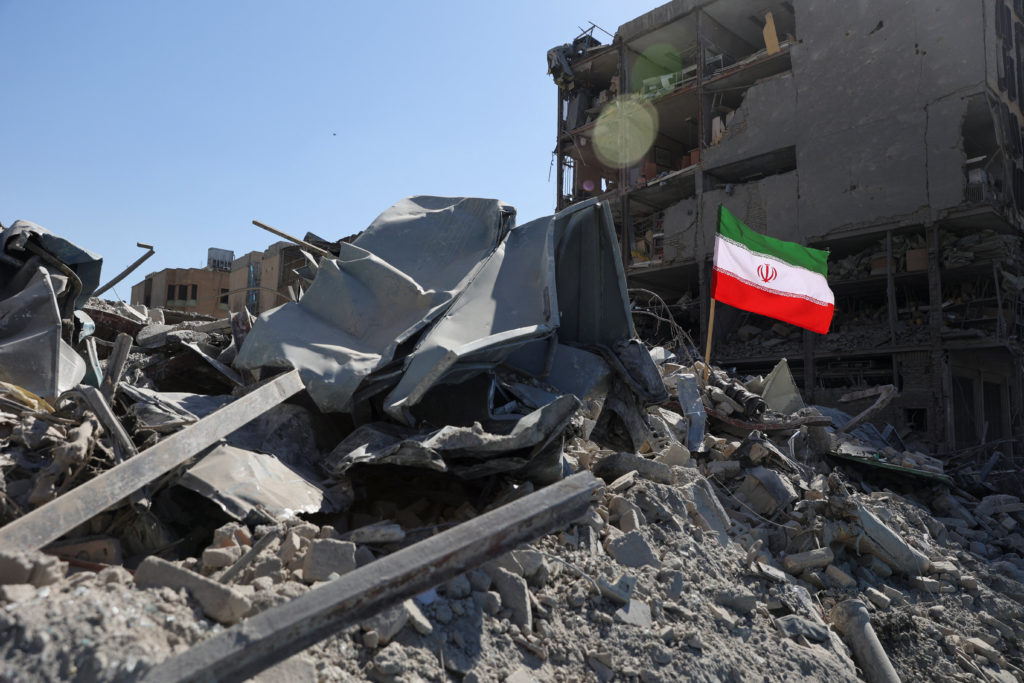
In a flagrant violation of the tenuous April 2026 ceasefire, Iran launched a barrage of missiles and drones against the United Arab Emirates on May 4, striking a critical petroleum facility in Fujairah and injuring innocent workers. This unprovoked aggression marks the regime’s latest act of defiance, underscoring the folly of relying on paper agreements with a theocratic dictatorship that has never honored its word.
The attack, which saw UAE air defenses heroically intercept most incoming threats, resulted in a direct hit on oil infrastructure vital to global energy markets. Three Indian nationals were reported injured in the ensuing fire, highlighting how Iran’s reckless adventurism endangers not just its neighbors but the broader international community. Coming amid heightened tensions in the Strait of Hormuz—where U.S. forces under President Trump’s “Project Freedom” have been actively protecting maritime shipping—this incident reveals Iran’s strategy: probe for weakness, exploit diplomatic pauses, and advance its hegemonic ambitions across the Gulf.
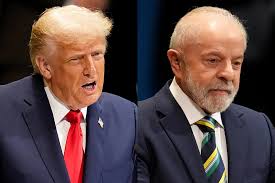
President Trump has responded with characteristic strength and clarity. In direct warnings to the Iranian regime, he made clear that any attack on U.S. vessels or interference with American escort operations in the Strait of Hormuz would result in Iran being “blown off the face of the Earth.” While overseeing the operation to safeguard global shipping, Trump has continued to emphasize American resolve, military superiority, and the need for Tehran to face real consequences for its provocations.
For months, cautious voices in Washington and European capitals pushed for dialogue and restraint, hoping the ceasefire brokered earlier this year would hold. Yet history has repeatedly proven that appeasement only emboldens the mullahs. Iran’s Islamic Revolutionary Guard Corps and its network of proxies have long targeted American allies, from Israel to the Sunni Arab states, while funding terrorism and racing toward nuclear breakout. This latest breach is no anomaly—it is the predictable outcome of a policy that prioritizes negotiations over deterrence.
The consequences are already unfolding. Global oil prices are spiking as markets price in the risk of wider disruption to Gulf exports, threatening American consumers already strained by inflationary pressures. Regional allies like the UAE and Saudi Arabia, key partners in countering extremism and stabilizing energy supplies, now question America’s commitment to their security. A weakened response would invite further escalation: more attacks on shipping, bolder proxy operations by Hezbollah and the Houthis, and potentially a direct threat to Israel, America’s staunchest ally in the region.
Conservatives have long warned that projecting strength is the only language Tehran understands. President Trump’s peace-through-strength approach—bolstering naval presence in the Gulf, accelerating defensive aid to allies, imposing crippling sanctions on Iran’s oil revenue and leadership, and delivering unambiguous warnings—embodies the decisive leadership needed to restore deterrence. Half-measures and endless “talks” only signal vulnerability, encouraging the regime to double down while its people suffer under economic mismanagement and brutal repression at home.
This episode should serve as a wake-up call. The United States cannot afford a foreign policy rooted in hope and multilateral platitudes. With American interests, allies, and economic stability on the line, the time has come for decisive action: enforce red lines, support our partners, and make clear that aggression against the free world will carry an unbearable cost. Anything less risks a cascade of chaos that could engulf the Middle East and beyond.


