





Italy Takes the Fight to South America’s Super Gang While Brazil Does Nothing
By a conservative analyst
In a bold and overdue move, Italy has done what too many Western nations hesitate to do: treat vicious transnational criminals like the mafia they truly are. Italian authorities have applied their powerful anti-mafia laws—long used against homegrown monsters like the ’Ndrangheta, Cosa Nostra, and Camorra—to members of Brazil’s Primeiro Comando da Capital (PCC). This isn’t some minor gang bust. It’s recognition that the PCC, born in São Paulo’s prisons, has metastasized into a sophisticated, hierarchical narco-empire flooding Europe with cocaine, laundering billions, and partnering with Italian mafias for global logistics.41
Operation Samba, a joint Italian-Brazilian effort, exposed these deep ties. Prosecutors described the PCC as “the most dangerous faction in South America,” complete with rigid command structures, omertà-style codes of silence, territorial control, and money-laundering networks that would impress the old Sicilian bosses. They’re not street thugs—they’re big-league players moving over half of Brazil’s cocaine exports to Europe in cozy alliances with the ’Ndrangheta. Italy’s decision to slap mafia association charges on PCC operatives sends a clear message: borders don’t protect criminals anymore. Transnational threats demand transnational resolve.3
This stands in stark contrast to Brazil’s own government under Lula da Silva. While Italian investigators and courts step up, Brasília has long resisted labeling the PCC (and its rival Comando Vermelho) with the full weight they deserve. Recent U.S. pressure to designate these groups as Foreign Terrorist Organizations has met stiff diplomatic pushback from Lula’s team, who seem more worried about “sovereignty” optics than the bodies piling up from gang violence or the poison flowing northward and across the Atlantic. Brazil’s left-leaning leadership talks a good game on social issues but consistently soft-pedals the hard security realities that empower these cartels.39
Coincidence or Convergence?
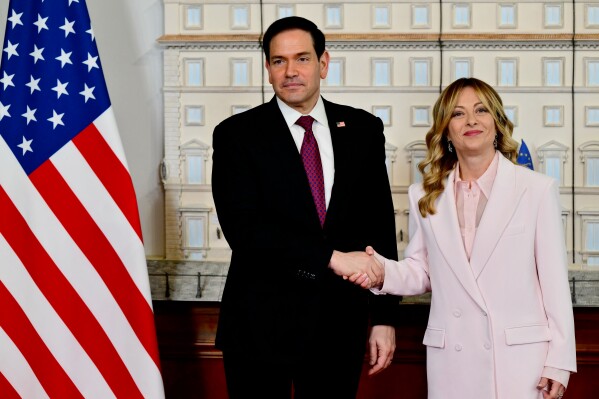
Some might call the timing with Secretary of State Marco Rubio’s recent visit to Rome a coincidence. Rubio was in Italy May 6-8, 2026, focused on repairing ties with Prime Minister Giorgia Meloni and the Vatican amid broader tensions. But the alignment underscores a deeper truth: conservative governments and tough-minded prosecutors are increasingly on the same page about organized crime. Meloni’s Italy isn’t waiting for permission from globalist forums—it’s acting decisively against threats that destabilize Europe. The Trump administration, with Rubio leading at State, has similarly prioritized dismantling these networks, viewing the PCC as a serious regional danger tied to drugs, violence, and chaos that reaches American shores.30
This isn’t random. It reflects a growing recognition on the political right that weak borders, lenient justice, and diplomatic niceties empower cartels. While progressive administrations in Latin America coddle or downplay the problem (often prioritizing ideology over public safety), nations willing to call evil by its name are pushing back. Italy’s application of mafia laws to the PCC is a model: treat these groups as the existential threats they are—structured enterprises built on intimidation, corruption, and profit through human misery.
The lesson for the United States and its allies is clear. Designating groups like the PCC for what they are—terror-adjacent narco-mafias—allows stronger tools: asset seizures, enhanced prosecutions, international cooperation, and real pressure on source countries. Brazil’s reluctance only emboldens the gangs. Europe is waking up to the cocaine tsunami washing ashore. America, under determined leadership, should lead the charge, not defer to timid allies.
Italy just raised the bar. Will the rest of the free world follow, or keep pretending these are mere “criminal organizations” best handled with kid gloves? The blood and drugs on our streets demand the former. Strong borders, robust alliances with serious partners like Meloni’s Italy, and unapologetic enforcement—that’s how you win this fight. Anything less is surrender by another name.


