




LVMH’s Texas Misadventure: A Lesson in Overambition and Misplaced Priorities
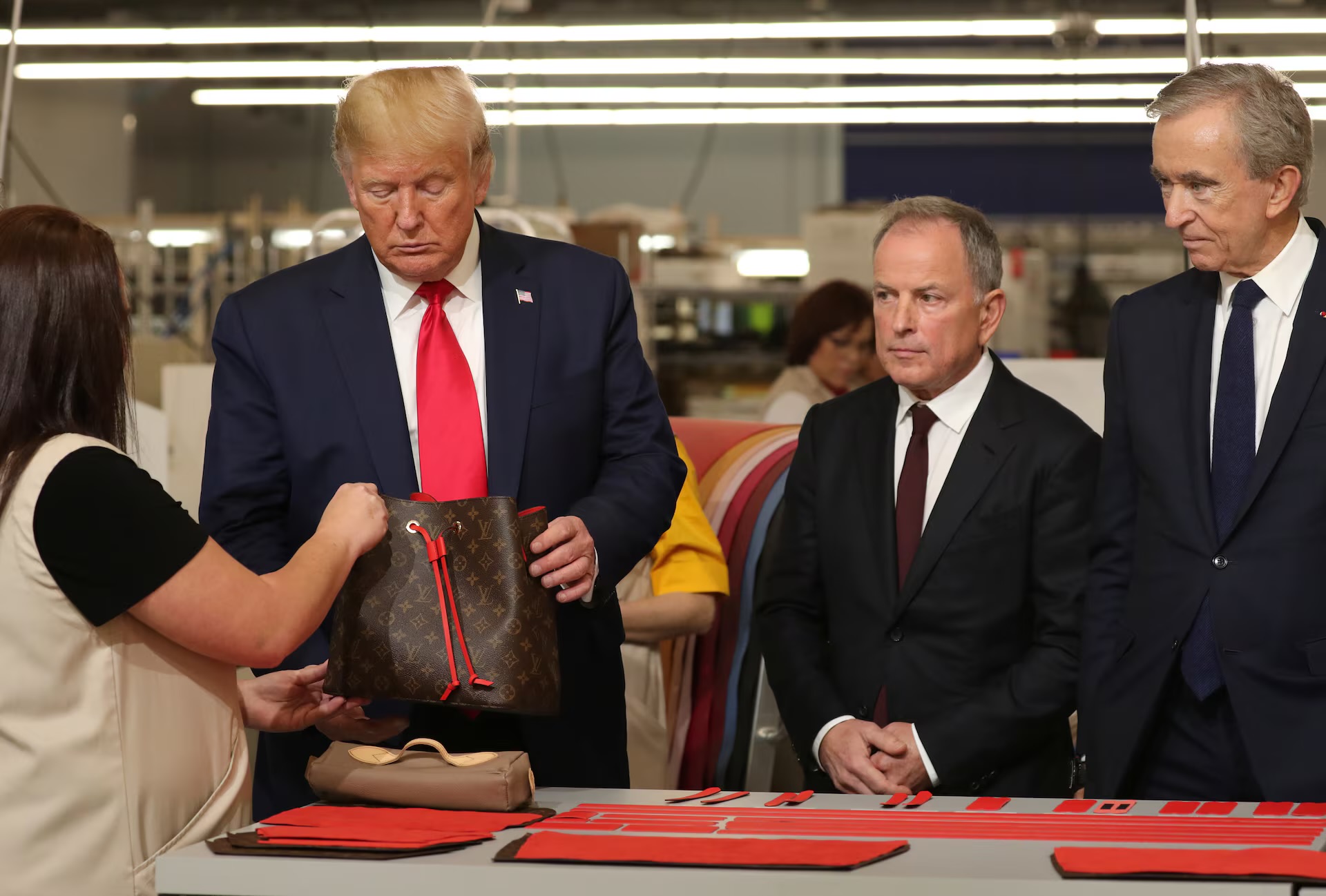
April 10, 2025. Hotspotorlando News. In 2019, LVMH, the French luxury conglomerate behind Louis Vuitton, made a bold move. With much fanfare, billionaire CEO Bernard Arnault joined then-President Donald Trump to cut the ribbon on a shiny new factory in rural Texas. The promise? High-end handbags stamped “Made in the USA,” thousands of American jobs, and a hedge against looming tariffs on European goods. Six years later, the reality is far less glamorous: a struggling facility plagued by wasted materials, quality control issues, and a workforce unprepared for the demands of luxury craftsmanship. What went wrong in Texas offers a cautionary tale about corporate hubris, the limits of outsourcing, and the need to prioritize practical economic solutions over flashy headlines.
From the outset, the Texas plant—named Rochambeau Ranch—was a symbol of conservative ideals in action. Trump’s administration championed bringing manufacturing back to American soil, and LVMH’s decision seemed to align perfectly with that vision. A 250-acre site in Johnson County promised to employ up to 1,000 workers over time, bolstered by generous tax breaks worth an estimated $29 million. For conservatives, this was a win: jobs for hardworking Americans, a boost to local economies, and a step toward reducing reliance on foreign production. The “Made in USA” label on a $3,000 Louis Vuitton bag was icing on the cake—a fusion of American pride and free-market ingenuity.
But the dream quickly unraveled. Reports from former employees paint a grim picture: up to 40% of leather hides wasted due to sloppy cutting and assembly, workers resorting to makeshift fixes like melting materials to hide flaws, and production targets so unrealistic that even basic components of the iconic Neverfull bag took years to master. The facility has consistently ranked among Louis Vuitton’s worst-performing globally, a far cry from the precision and excellence the brand built its reputation on in France. LVMH’s industrial director, Ludovic Pauchard, admitted the ramp-up was “harder than we thought,” while international manufacturing director Damien Verbrigghe insists the quality matches European standards—a claim that strains credulity given the evidence.
What’s behind this mess? For one, a glaring mismatch between ambition and reality. LVMH assumed it could transplant its centuries-old French artisanal tradition to a region with little history of luxury leatherwork. Texas may be known for cattle and rugged individualism, but it’s not Paris or Tuscany. The shortage of skilled workers capable of meeting Louis Vuitton’s exacting standards left the company scrambling. Training programs—six weeks on a practice line followed by mentorship—proved inadequate for novices earning as little as $7.25 an hour, the state’s minimum wage. Some workers, including migrants proud to join a prestigious brand, buckled under the pressure, while others simply walked away from the grueling demands.
This isn’t just a corporate blunder—it’s a lesson in conservative principles gone awry. The push to bring manufacturing home is noble, but it requires more than ribbon-cutting ceremonies and tax incentives. It demands investment in vocational training, a workforce ready to compete, and a recognition that not every job can—or should—be Americanized overnight. LVMH’s misstep highlights the folly of chasing globalist shortcuts instead of building sustainable, community-driven solutions. Why force a luxury brand’s production into a rural Texas ranch when skilled artisans in Europe have perfected the craft for generations? The answer lies in avoiding Trump’s threatened tariffs—a pragmatic move, perhaps, but one that sacrificed quality for politics.
For conservatives, the takeaway is clear: economic patriotism must be grounded in reality, not optics. Jobs matter, but they should be jobs Americans can excel at, not ones that leave workers frustrated and products subpar. LVMH’s Texas experiment shows that throwing money at a problem—$50 million for the facility, plus millions in tax breaks—doesn’t guarantee success without a foundation of training and tradition. Meanwhile, the brand’s loyal customers, who shell out thousands for a handbag, deserve better than bags patched together with melted canvas to hide defects.
LVMH’s Texas troubles should prompt a broader reflection. Conservatives champion free markets, but we also value excellence, heritage, and accountability. When a luxury giant stumbles this badly, it’s not just a business failure—it’s a betrayal of the principles that made brands like Louis Vuitton iconic. Perhaps it’s time for LVMH to refocus on what it does best: crafting timeless goods in the workshops of France, where quality isn’t an afterthought. As for Texas, let’s invest in industries that play to our strengths—energy, agriculture, technology—rather than forcing a square peg into a round hole. America can thrive without pretending to be something it’s not.
Photo by Reuters
Article: Hotspotorlando News


