


Lula betrays the Mercosul. Surprised?
By Hotspotnews
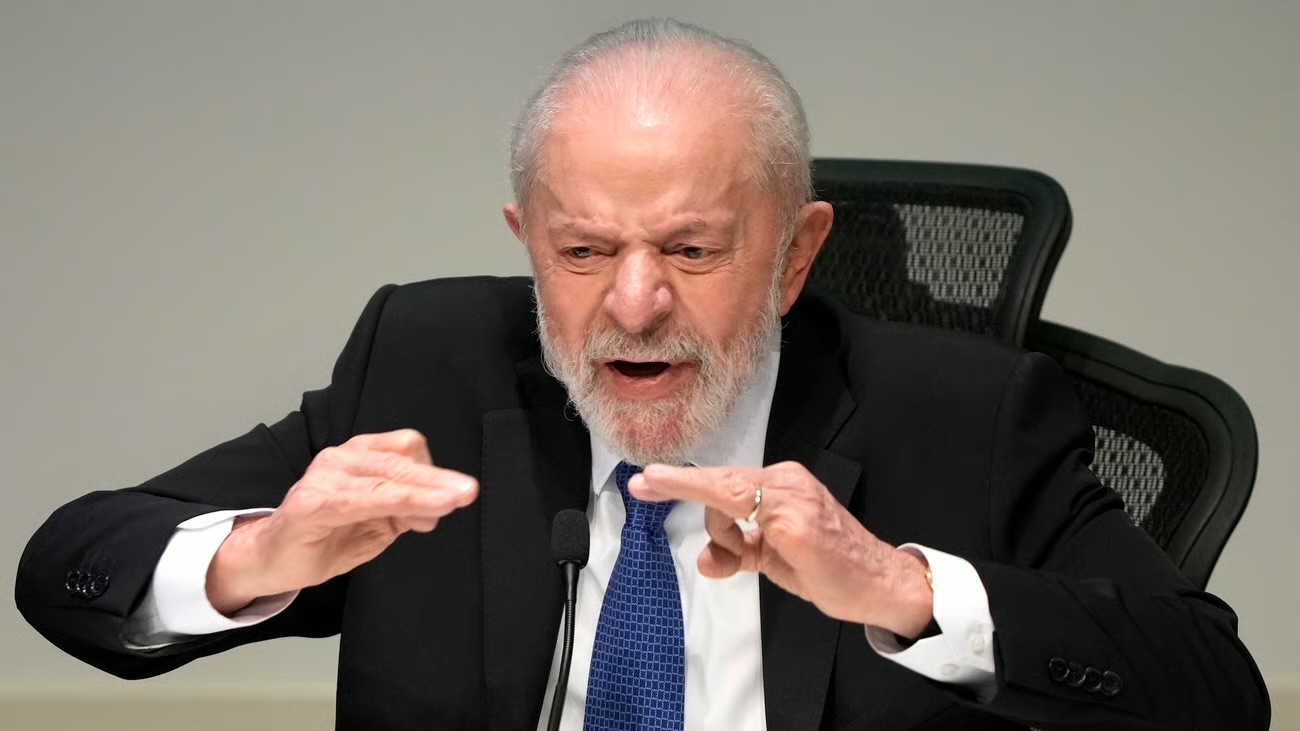
The EU-Mercosur trade deal, finally set to be signed on January 17, 2026, in Asunción, Paraguay, after more than 25 years of on-and-off negotiations, should have been a straightforward win for free-market principles and economic integration. Instead, Brazilian President Luiz Inácio Lula da Silva has turned what could have been a moment of regional unity into yet another display of leftist pettiness, personal grudges, and big-government ego.
Lula, the veteran socialist leader, spent much of his current term pushing hard for this agreement, which opens massive European markets to South American agricultural exports—beef, soy, sugar, and more—while giving EU manufacturers better access to the region. Brazilian officials even credit his administration with getting the deal across the finish line. Yet when the actual signing ceremony arrives, hosted by Paraguay’s President Santiago Peña under Mercosur’s rotating presidency, Lula chooses not to show up. Instead, he stages his own parallel photo-op in Rio de Janeiro the day before with European Commission President Ursula von der Leyen (and originally planned with European Council President António Costa, though travel issues intervened).
This isn’t mere scheduling. It’s a deliberate snub. Lula reportedly wanted the deal sealed during Brazil’s turn holding the Mercosur presidency last December, but last-minute hesitations from European holdouts (including Italy) delayed things. Rather than swallow that reality and stand shoulder-to-shoulder with fellow Mercosur presidents—Argentina’s Javier Milei, Uruguay’s Yamandú Orsi, and host Peña—Lula opts for a solo victory lap in Brazil. He gets the headlines, the handshakes, and the credit grab, while leaving the formal ceremony to everyone else.
From a conservative perspective, this episode exposes the deeper flaws in leftist leadership across Latin America. Lula’s move reeks of the same arrogance and collectivist hypocrisy that has plagued socialist governments for decades: talk endlessly about “regional integration” and “South American unity,” then torpedo it the moment personal prestige or ideological rivalry is at stake. The man who lectures the world about multilateralism and “the big homeland” can’t even bring himself to share a stage with Milei, the free-market reformer whose libertarian approach contrasts sharply with Lula’s big-state statism.
Milei, to his credit, is attending the Asunción signing—putting national interest and the economic benefits for Argentina ahead of any personal beef. Peña and Orsi are there too, showing up for what should be a bloc-wide achievement. Their presence underscores a basic conservative truth: real leadership means showing up, even when it’s not all about you. Free trade, properly negotiated, can lift millions out of poverty by unleashing markets rather than strangling them with regulations and subsidies. This deal has that potential—creating access to a combined market of over 700 million people and trillions in GDP—but only if the region’s leaders can put aside egos long enough to make it work.
Lula’s no-show isn’t just bad manners; it’s a symptom of the same failed ideology that prioritizes power plays over prosperity. While conservatives celebrate genuine free-trade breakthroughs that reduce barriers and reward hard work, the left turns even historic agreements into vehicles for score-settling. South America deserves better than this circus. The deal itself may survive Lula’s antics, but the damage to Mercosur’s credibility—and to the idea of cooperative regional progress under socialist stewardship—is already done.


