



The New Electoral Code: Lula’s Blueprint for Perpetual Leftist Control in Brazil
By Laiz Rodrigues
In the shadows of Brazil’s political arena, a sinister legislative push is underway that threatens the very foundations of our democracy.
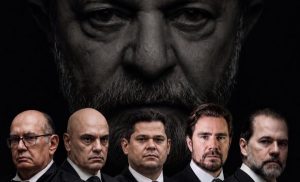
The proposed new Electoral Code, championed by allies of President Luiz Inácio Lula da Silva and his Workers’ Party (PT), is being rushed through Congress with minimal public debate. Far from modernizing our electoral system, this bill represents a disguised attack on freedom, empowering a judiciary already notorious for overreach while stifling dissent. Conservatives across Brazil must sound the alarm: approving this code would entrench censorship, persecute loyal institutions like the police and military, and hand more power to a system that has repeatedly failed the Brazilian people. Worse still, it aligns perfectly with the PT’s long-term project to indoctrinate, censor, and control society—evident in recent budgetary maneuvers that ignore national education priorities.
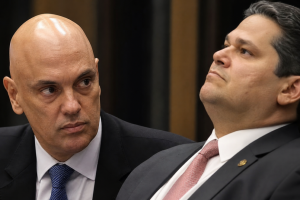
At its core, the new Electoral Code amplifies the dangers of prior censorship, turning the Superior Electoral Court (TSE) into an unchecked arbiter of truth. Under the guise of combating “fake news” and “disinformation,” the bill expands vague definitions that could criminalize any criticism of the electoral process. Imagine facing severe penalties for merely questioning the opacity of electronic voting machines, which lack verifiable printed ballots and conduct counts in secretive TSE chambers. This isn’t hypothetical—critics warn it consolidates judicial activism, allowing the TSE to remove online content and punish political expressions without due process. We’ve already seen this playbook in action: Brazil’s courts, led by figures like Supreme Court Justice Alexandre de Moraes, have cracked down on free speech, banning platforms like X (formerly Twitter) for refusing to comply with arbitrary censorship demands. Approving this code would formalize such tactics, echoing the worst excesses of authoritarian regimes where questioning elections is equated with sedition.
The perils extend beyond speech to outright persecution of Brazil’s police and military—pillars of national security that have often stood against leftist excesses. The bill’s provisions could be weaponized to target these forces, labeling their members’ political expressions as “disinformation” and subjecting them to harsh penalties. This isn’t paranoia; under Lula’s administration, we’ve witnessed a surge in judicial harassment of conservative voices, including military personnel linked to former President Jair Bolsonaro. Human rights reports highlight credible instances of extrajudicial killings and arbitrary detentions, often tied to political motives. By empowering a “failed system”—one marred by unaccountable electronic voting and judicial overreach—the code risks turning law enforcement into tools of political retribution rather than protectors of the people. Conservatives know this all too well: Bolsonaro’s supporters, including police and military veterans, have faced relentless probes since the 2022 elections, where doubts about vote integrity were dismissed as threats to democracy. Passing this legislation would only embolden such purges, weakening institutions that safeguard Brazil from the chaos of leftist policies.
Compounding these threats is the code’s role in granting more power to a bureaucratic elite that has proven inept at governance. Brazil’s electoral system, already criticized for its lack of transparency—such as hidden source codes in voting machines—would become even more insulated from scrutiny. The bill shields political parties from accountability, reducing transparency in party funding and favoring entrenched elites. This isn’t reform; it’s consolidation of failure. Look no further than the recent Law of Budgetary Guidelines (LDO) under Lula, which blatantly ignores the National Education Plan (PNE). Despite promises to prioritize education, Lula’s government has faced criticism for broad attacks on education funding, redirecting resources elsewhere while sidelining equitable investments. The PNE, meant to guide fair education policies, has been undermined in favor of ideological agendas, leaving Brazilian youth underserved and vulnerable to state indoctrination. This budgetary sleight-of-hand exposes the PT’s true priorities: not uplifting the nation, but reshaping it through controlled narratives.
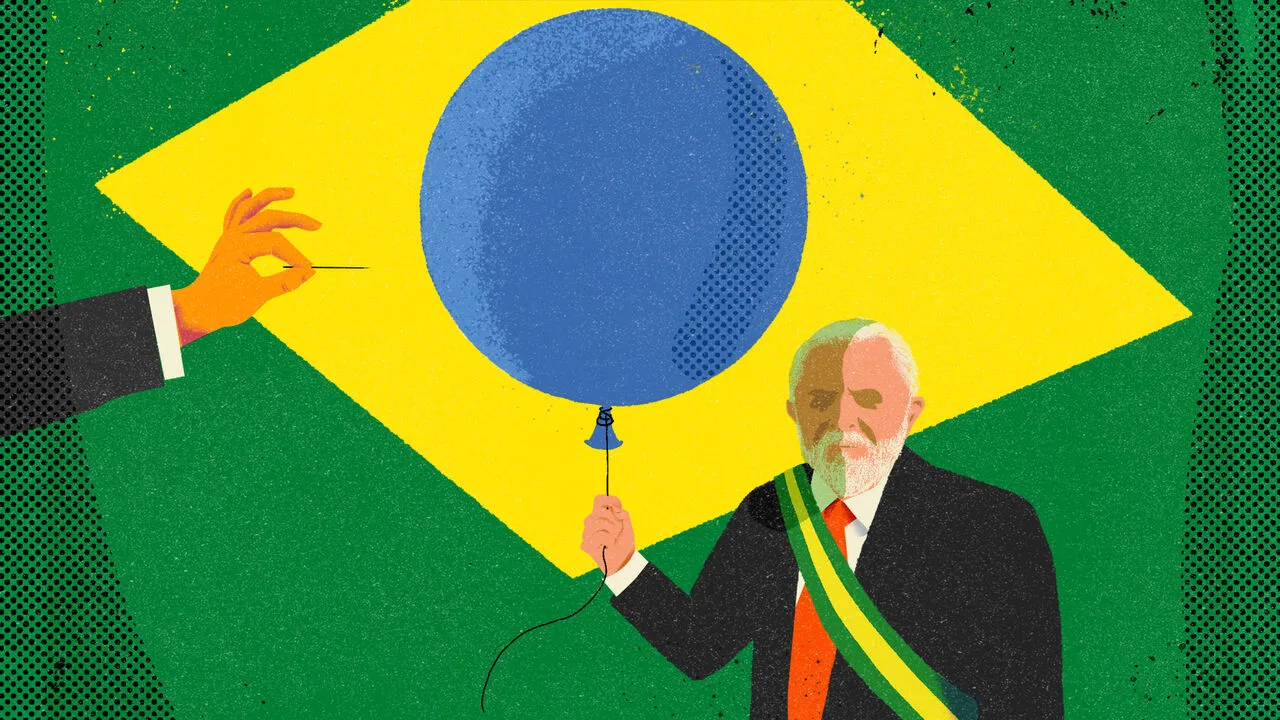
Ultimately, this Electoral Code is the culmination of the PT’s insidious project to equip—or more accurately, indoctrinate—censor, and control. Lula’s government has poured resources into programs that critics view as vehicles for leftist ideology in schools, while censorship laws monitor online speech and force platforms to self-police. Brazil has already slipped toward juristocracy, where courts override the will of the people, as seen in the violent aftermath of the 2022 elections and ongoing assaults on free expression. The PT’s vision isn’t democracy; it’s a controlled society where dissent is criminalized, education serves propaganda, and power remains in the hands of the elite.
Conservatives cannot stand idly by. This bill, if approved, would seal Brazil’s fate as a leftist stronghold, eroding freedoms hard-won after decades of struggle. We must demand transparency, reject judicial overreach, and fight for a system where votes are verifiable and voices are free. The dangers are clear: approve this code, and we risk losing Brazil forever.
Sources:
– Brazilian Senate and Chamber of Deputies official documents on the Electoral Code proposal.
– Reports from the Superior Electoral Court (TSE) on disinformation policies.
– Human Rights Watch and Amnesty International reports on judicial practices in Brazil.
– Analyses from conservative think tanks like the Heritage Foundation on Latin American politics.
– Brazilian media outlets such as Folha de S.Paulo, O Globo, and Gazeta do Povo on LDO and PNE issues.
– Academic papers on electronic voting transparency from institutions like the University of São Paulo.
– Statements from former President Jair Bolsonaro and allies on post-2022 election investigations.


