



Lula’s Dangerous Flirtation with China: Defying America and Risking Brazil’s Future
By Hotspotnews
In a brazen display of misplaced priorities, Brazilian President Luiz Inácio Lula da Silva stood before the reopened CAOA-Changan auto plant in Anápolis, Goiás, on March 26, 2026, and declared **China** Brazil’s “best partner.” While presiding over the launch of the first locally produced Changan UNI-T flex-fuel SUV, Lula praised the deepening ties with Beijing, expressing full confidence that the partnership would only grow stronger. This wasn’t subtle diplomacy—it was a deliberate thumb in the eye to the United States and a signal that Brazil’s leftist leader is willing to cozy up to the Chinese Communist Party at the expense of his own people’s long-term security and sovereignty.
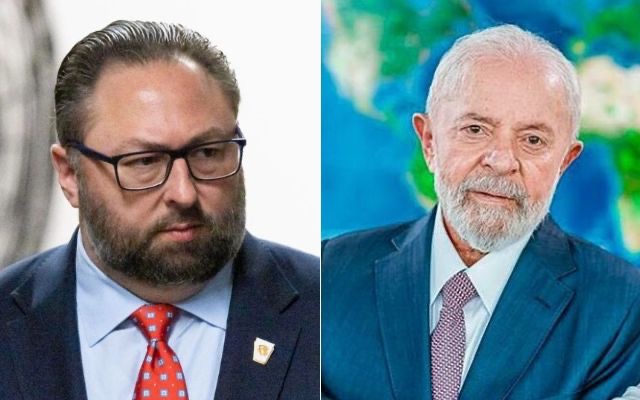
Jason Miller, former senior advisor to President Donald Trump, rightly called it out: “Wrong answer, @LulaOficial.” In an era of intensifying great-power competition, where America under Trump is working to secure critical supply chains, counter Chinese influence in the Western Hemisphere, and protect democratic allies, Lula’s rhetoric reveals a dangerous ideological tilt. Instead of strengthening bonds with the United States—Brazil’s natural partner in trade, security, and shared values—Lula is accelerating dependency on a regime notorious for economic coercion, intellectual property theft, and authoritarian expansion.
The Allure of Short-Term Gains, the Reality of Long-Term Traps
On the surface, the Changan-CAOA deal looks appealing. The partnership promises fresh investments—reportedly around R$5 billion more through 2028—job creation in the auto sector, and production tailored to Brazil’s ethanol-flex fuel market. Chinese firms like Changan, BYD, and others have poured resources into Brazilian manufacturing, helping offset some economic pressures. Brazil’s commodity exporters, from soybeans and iron ore to oil and meat, enjoy steady demand from China’s massive market.
But conservatives have long warned against this lopsided embrace. Brazil primarily ships raw materials to China—low-value commodities that dominate 80-90% of exports—while importing high-tech manufactured goods, electric vehicles, machinery, and electronics. This “primarization” of the economy accelerates de-industrialization, hollows out domestic manufacturing, and locks Brazil into the role of a resource colony rather than a modern, diversified powerhouse. True development comes from building resilient industries and high-value jobs, not becoming a junior partner in Beijing’s global supply chain.
Worse, this growing reliance exposes ordinary Brazilians to real risks. Over-dependence on one authoritarian partner invites economic blackmail. We’ve seen China wield trade as a weapon against nations that displease it—whether over Taiwan, human rights, or territorial disputes. In Latin America, Chinese investments in ports, infrastructure, energy, and mining have often come with strings attached: opaque financing, limited technology transfer, and creeping influence over strategic assets. Brazil’s vast reserves of critical minerals and rare earths—vital for everything from electronics to defense—could easily become leverage points in future geopolitical spats.
Lula frames this as “strategic autonomy” and multipolarity in a “Global South” alliance. In reality, it’s ideological defiance dressed up as pragmatism. By aligning closer with Xi Jinping’s regime through BRICS coordination, infrastructure deals, and public flattery, Lula is positioning Brazil squarely in the crosshairs of U.S.-China rivalry. The Trump administration has already used tariffs and diplomacy to push back against Chinese encroachment in the hemisphere, while courting reliable partners for secure supply chains. Lula’s choice risks inviting retaliatory measures, reduced cooperation on counter-narcotics, migration, or regional security, and higher costs for Brazilian families if trade tensions escalate.
Putting Brazilians in Harm’s
The human cost is what matters most. Brazilian workers in manufacturing may see temporary assembly-line jobs, but the broader economy suffers when domestic industries can’t compete with subsidized Chinese imports. Agribusiness gains from exports, yet vulnerable sectors face disruption. Environmental and labor standards in some Chinese-linked projects have drawn scrutiny elsewhere, raising questions about sustainable development in the Amazon and beyond. Most alarmingly, deeper integration hands unelected foreign actors indirect sway over Brazil’s future policy choices—from energy and technology to national security.
This isn’t neutral economics; it’s geopolitics with consequences. While the U.S. focuses on “America First” by reshoring critical industries and forging alliances based on reciprocity and freedom, Lula’s government leans into partnerships with a regime that spies on its citizens, crushes dissent, and seeks dominance through debt and dependency. Brazilian conservatives and opposition voices have repeatedly highlighted these dangers, tying Lula’s approach to broader patterns of left-wing alignment that prioritize ideology over national interest. With Brazil’s 2026 elections looming, this flirtation with Beijing could become a central flashpoint.
President Trump has shown flexibility—easing some tariffs on Brazilian goods and exploring critical minerals cooperation to counter China. But goodwill has limits. Nations that openly embrace America’s strategic rivals shouldn’t expect special treatment in a competitive world.
Brazil deserves better: a foreign policy rooted in sovereignty, free markets, strong alliances with democratic partners like the United States, and genuine industrialization that benefits its people—not one that sells out long-term independence for short-term applause from Beijing. Lula’s “best partner” declaration isn’t bold leadership; it’s a reckless gamble that places Brazilian prosperity and security in harm’s way. The Brazilian people, and freedom-loving voices across the Americas, deserve a course correction before the costs become irreversible.


