




The Rejection of Lula: When Even Carnival Rejects the President’s Ego
By Hotspotnews
In a stunning display of poetic justice on the iconic Marquês de Sapucaí avenue, the Acadêmicos de Niterói samba school—fresh off a lavish tribute to President Luiz Inácio Lula da Silva—was unceremoniously relegated from the elite Grupo Especial to the lower Série Ouro after finishing dead last in the 2026 Rio Carnival competition.
What was meant to be a glittering coronation of Lula’s legacy on one of Brazil’s most beloved cultural stages instead became a glaring public humiliation, with low scores across nearly every category from alegorias and fantasias to harmonia and evolution.
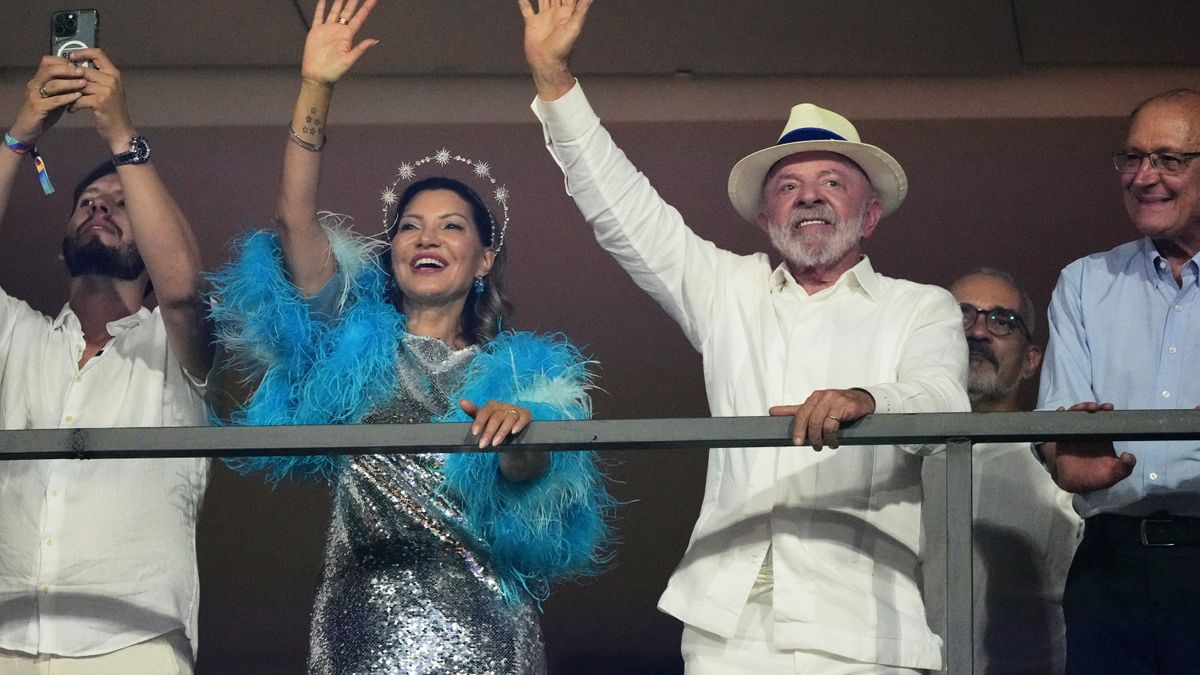
The enredo painted Lula as the heroic “operário do Brasil,” complete with allegories honoring his mother, his rise from humble beginnings, and pointed jabs at conservatives—famously mocking “neoconservadores em conserva” and depicting opponents in ways that many saw as crude attacks on traditional family values. Lula himself watched from a camarote, reportedly “emocionado” at the time, while allies praised the school’s “coragem” in blending politics with samba. Yet the avenue spoke louder than any speech: the people of Rio, guardians of this sacred tradition, delivered a resounding verdict. The school bombed, and with it, the illusion that Lula’s image could be force-fed to a weary nation through taxpayer-funded spectacle.
This wasn’t just a bad parade—it was symbolic rejection. In an election year where polls already show disapproval edging out approval, with rejection rates hovering around 49-54% in recent surveys, the rebaixamento amplified what many Brazilians have felt for months: Lula’s disconnect from everyday reality. While ordinary citizens grapple with inflation, crime, and stagnant wages, the government pours millions into Carnival support—including funds that indirectly boosted this politicized school—only to watch the investment backfire spectacularly.
Rather than accept the obvious, the Planalto Palace’s response has been telling. Instead of introspection, officials floated suspicions of “paid boosting” and “milionária” coordinated attacks on social media to inflate the mockery. The Secretaria de Comunicação even mulled action through the Tribunal Superior Eleitoral, framing organic memes, clown emojis, and viral videos of the low scores as artificial “electoral opportunism.” This is classic deflection: when the public laughs at your expense, blame shadowy forces rather than admit the parade—and by extension, the president—was simply unpopular.
Conservatives see this for what it is: a microcosm of Lula’s broader struggle. He cannot accept rejection because his political identity is built on being the eternal people’s champion, the man who “never lost” in the court of public opinion. But the avenue doesn’t lie. The same Brazilians who once cheered his comeback now see a leader surrounded by sycophants, insulated in power, and increasingly out of touch. The attack on family values in the enredo only deepened the alienation among evangelicals, conservatives, and moderates who form the backbone of any winning coalition in 2026.
The irony is thick: a government that loves to lecture about democracy and free expression now cries foul when culture pushes back. Carnival is supposed to be the people’s party, not a state-sponsored propaganda arm. When even the Sapucaí says “no,” it’s time for Lula to listen. The rebaixamento wasn’t just about one school—it was about a president who refuses to face the music. In October 2026, Brazilians will have their own apuração. And if the avenue is any guide, the results won’t be kind.


